
The capital cost of a new piece of heavy equipment from a Western OEM is frequently the largest line on a project’s mobilization budget for contractors and operators in Africa, Latin America, Southeast Asia, and the Middle East. Refurbished and used machinery from China is becoming more and more popular; it is no longer a compromise on cost. It is a strategic purchase choice with appropriate verification.


Why the source is China
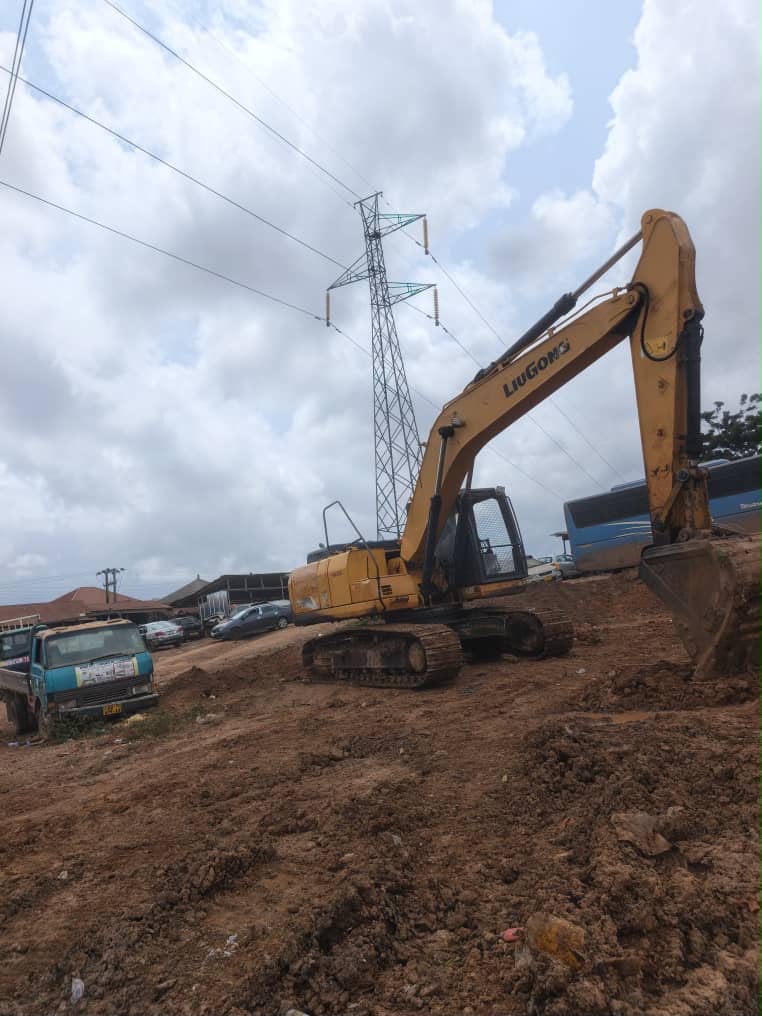
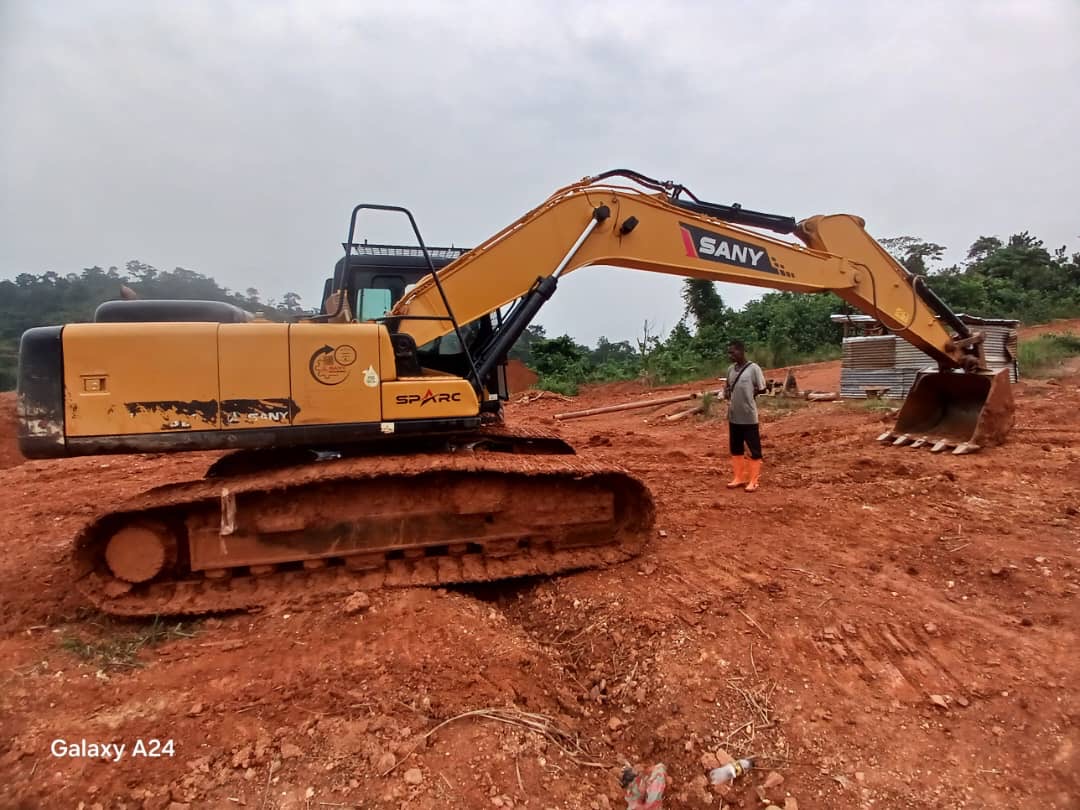
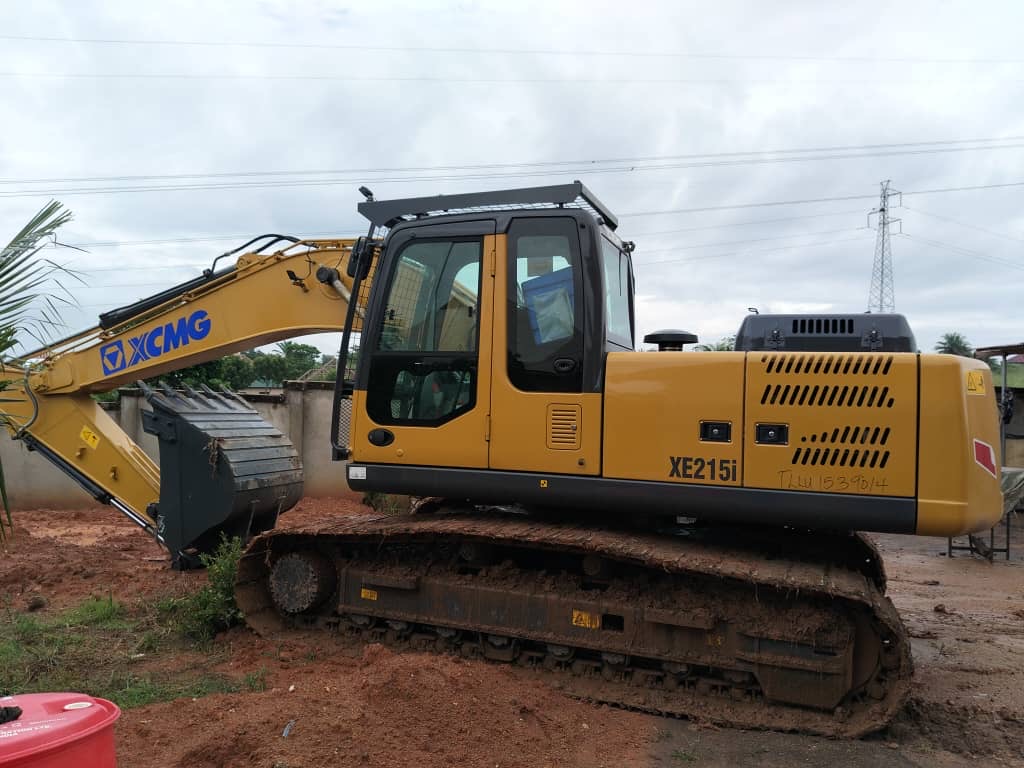
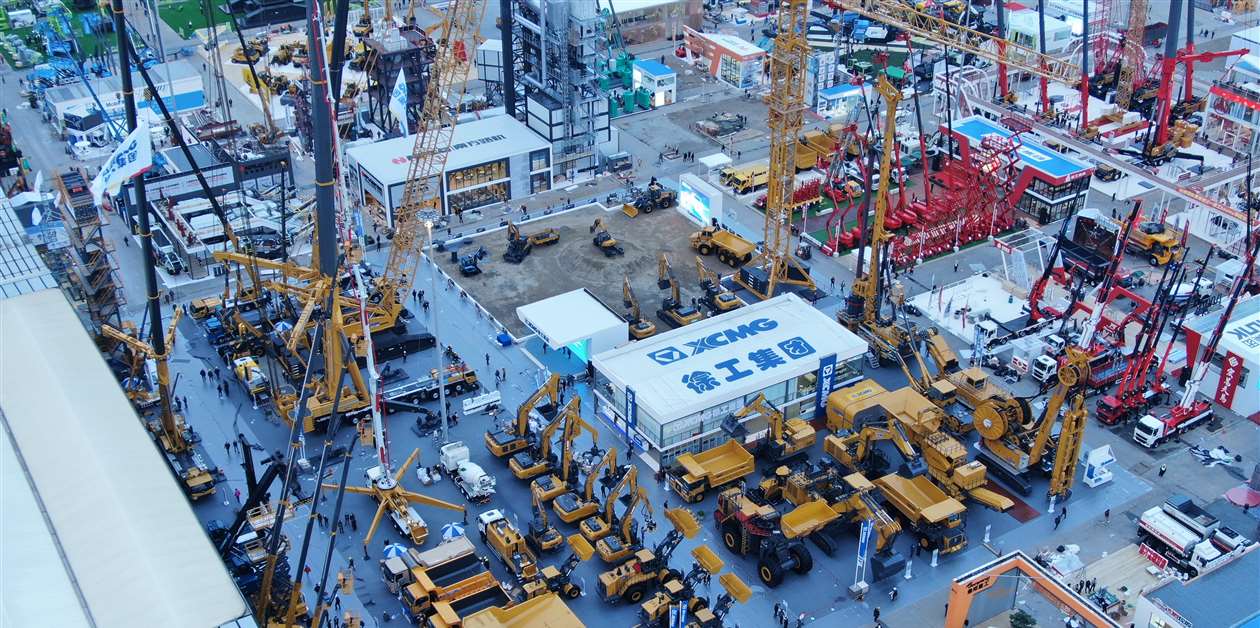
Over the past 20 years, China’s domestic infrastructure, port-handling, and construction industries have created the greatest installed base of heavy machinery in the world. Late-cycle units with five to 10 years of service life reach the second-hand market in quantities that no other nation can equal as fleets are renewed. The used-export market is dominated by XCMG, Sany, Zoomlion, LiuGong, SDLG, and Heli forklifts, with reliable assistance from refurbishing facilities in Shanghai, Xuzhou, Changsha, and Shenzhen that can restore a unit to a verified service-ready condition.
The protocol for eight-point verification
Not all of China’s used machinery is suitable for export. Documentation and physical inspection discipline are what distinguish an issue on a wharf from a viable second-life unit. Before we export, Meritus does this eight-point check on each unit:
service history and an hour meter. The hour meter needs to be the original, not a replacement. We compare the meter reading to the hydraulic system status, engine oil analysis, and any dealer service data that are accessible. In China’s used equipment industry, tampered hour meters are the most prevalent type of deception.
state of the engine and powertrain. Diesel engine compression testing, gearbox and final-drive oil analysis, and leak-down testing where necessary. We always advise a partial powerplant refresh before to export for machines with more than 8,000 hours.
integrity of the hydraulic system. All important circuits are tested for pressure, cylinder seals are inspected, hoses and fittings are inspected, and hydraulic oil samples are tested for water and metal particles. Regardless of its appearance, a machine with tainted hydraulics will malfunction within 500 hours of delivery.
structural soundness. Complete visual and NDT inspection of the boom sections, slewing ring, outriggers, and load-bearing welds for cranes (XCMG QY70, QY130, QY200 series and similar). Mast assembly, fork carriage, chassis frame inspection, and port reach stackers and container handlers. Regardless of price, we do not ship units with structural flaws.
Control and electrical systems. Every safety interlock, operator displays, emergency stops, and load moment indicators (LMI on cranes) was checked in accordance with manufacturer specifications. We check the current revision level when firmware is involved.
worn parts, undercarriage, and tires. For wheeled equipment, tire condition, ply rating, and remaining tread; for tracked equipment, track shoe, sprocket, idler, and roller condition. A tracked excavator’s first-year running costs may increase by 30% due to worn undercarriage.
scope and documentation of the renovation. When a unit is refurbished, we need the job card from the workshop that details exactly what was rebuilt, replaced, and examined. Only when “Refurbished” is supported by line-item documentation is it a meaningful claim.
preparedness for export. Customs paperwork, shipping configuration (containerized when possible, RoRo when not), COC (Certificate of Conformity) for destinations requiring pre-shipment inspection (Kenya KEBS, Tanzania TBS, Nigeria SONCAP, Saudi Arabia SASO), and CE marking when necessary for African and Middle Eastern destinations.
What emerging-market contractors can benefit from this
The cost of a refurbished XCMG QY130K crane with the aforementioned documentation pack is significantly lower than that of a comparable new Liebherr or Tadano machine, and it comes ready for use. That difference may be the difference between a contractor in Lagos, Nairobi, Casablanca, Jakarta, or Lima placing a bid and seeing a rival get the project. The same reasoning holds true for SDLG wheel loaders on mining and construction sites, Sany excavators on civil works, and Heli or Hangcha forklifts in port and warehouse operations.
The location of the risk and our approach to managing it
The machinery itself is not the risk associated with old heavy machinery from China. The chain of verification is what it is. A unit purchased from a broker without export papers, a refurbishment job card, or an inspection is a problem that is just waiting to be discovered on the receiving wharf. A functional asset is a unit purchased via a validated channel using the aforementioned eight-point procedure. Meritus manages the entire verification process: we conduct on-site inspections in China, work with qualified shops to organize refurbishment, compile the export documentation pack, and set up shipping to the destination port.
Markets we cater to
Contractors and operators in West Africa (Nigeria, Ghana, Côte d’Ivoire, Senegal), East Africa (Kenya, Tanzania, Uganda, Ethiopia), North Africa (Morocco, Egypt, Algeria), Southern Africa (South Africa, Zambia, DRC), Latin America (Brazil, Peru, Chile, Colombia, Mexico), Southeast Asia (Indonesia, Vietnam, Philippines, Bangladesh), and the Middle East (UAE, Saudi Arabia, Oman, Qatar).