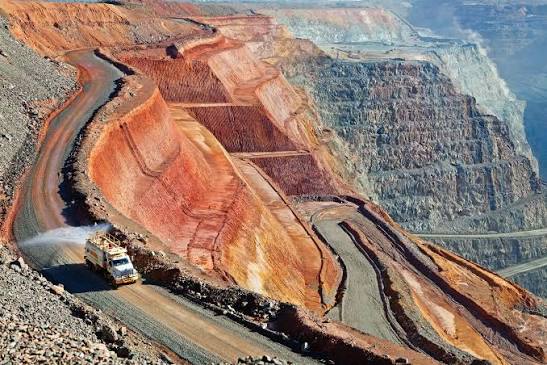

Investing in the Australian mining sector offers exposure to one of the world’s most resource-rich nations, but it requires a thorough understanding of the market, regulatory landscape, and inherent risks. This guide outlines the key steps and considerations for potential investors.
🏗️ 1. Understanding the Sector
Australia is a global mining powerhouse. The sector accounts for over 12% of GDP and roughly 70% of the nation’s export earnings. The country is a top global producer of many commodities, holding significant reserves of iron ore (29% of world reserves), gold, lead (36.4%), zinc (27.8%), and manganese (29.4%).
The industry’s significance was underscored in 2025, with the Minerals Council of Australia estimating the sector provided AUD $59.4 billion in direct economic support. Key commodities driving investment include:
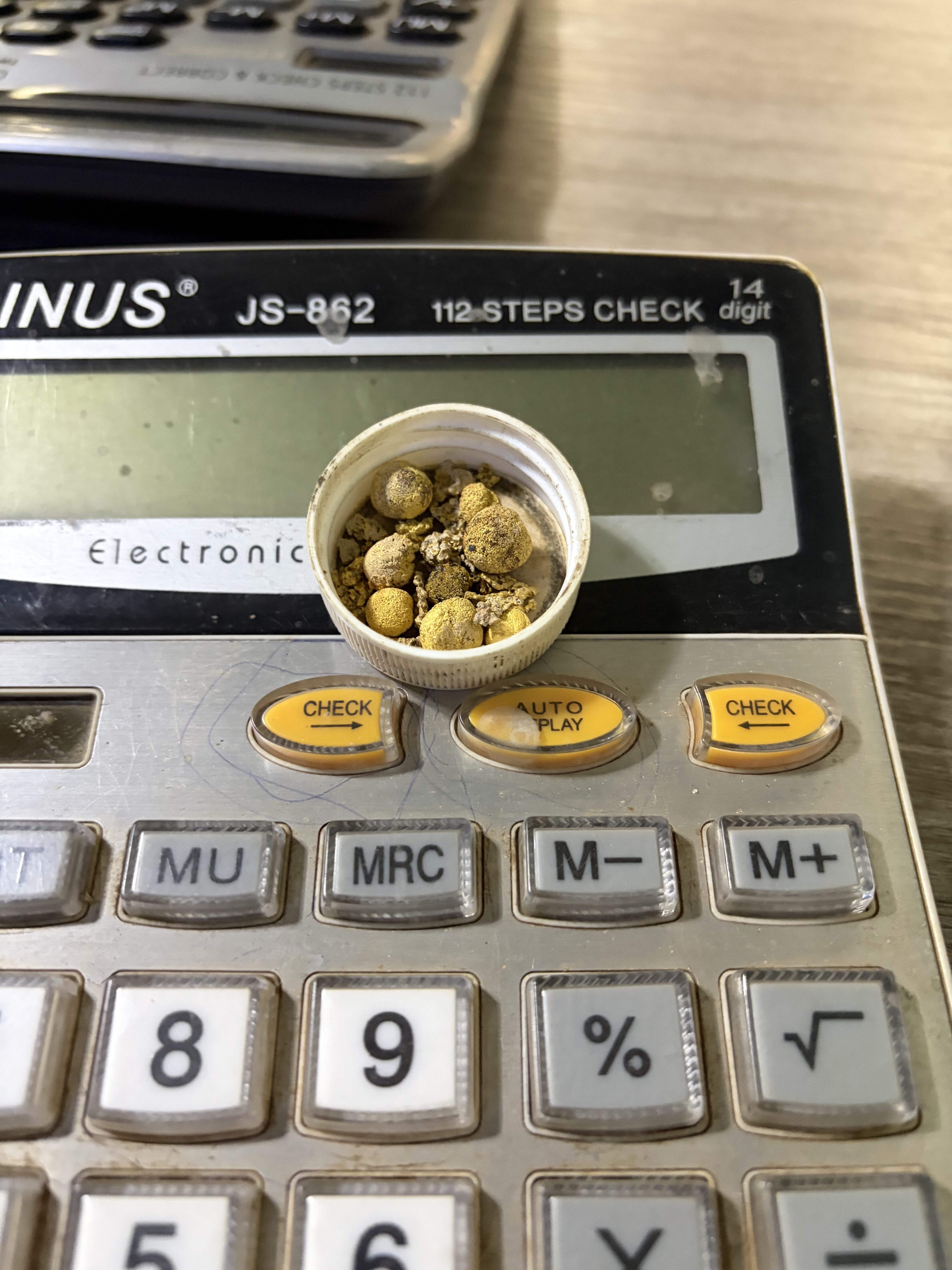
- Gold: A traditional safe-haven asset that saw record prices in 2025, topping US4,000perounce∗∗andboostingexportearningstoanestimated∗∗AUD4,000perounce∗∗andboostingexportearningstoanestimated∗∗AUD60 billion.
- Critical Minerals: This includes lithium, rare earths, cobalt, copper, graphite, and others essential for clean energy technologies, batteries, and defence. Australia is a key partner in global efforts to diversify supply chains away from single sources, with a landmark A4billionCriticalMineralsFacilityandexportearningsforthissegmentforecasttorisefrom∗∗ A11 billion (2024–25) to A$14 billion (2026–27)**.
- Iron Ore & Other Metals: Australia is a dominant force in iron ore, but the sector also has significant exposure to copper, bauxite, and other metals.
📈 2. Ways to Invest
Investors can gain exposure to the mining sector through various methods, each with its own risk and return profile.
| Method | Description | Pros | Cons |
|---|---|---|---|
| Direct Equity (ASX-listed Stocks) | Buying shares in individual mining companies. | Direct exposure, high potential returns, control over selection. | Higher risk, requires research and monitoring. |
| Exchange-Traded Funds (ETFs) | A basket of mining stocks, providing instant diversification. | Lower risk than single stocks, easy to trade, low management fees. | Lower upside potential, may include companies you wouldn’t choose individually. |
| Managed Funds | Pooled investments managed by professionals (e.g., Paragon Australian Long Short fund). | Professional management, diversified portfolio. | Higher fees, less control. |
| Physical Commodities | Directly owning the physical asset (e.g., gold bullion). | Direct hedge against inflation, no counterparty risk. | Storage and insurance costs, less liquid. |
Popular ASX Mining Stocks
Major players and their recent performance include:
| Company | Ticker | Focus | Recent Performance |
|---|---|---|---|
| BHP Group Ltd | ASX: BHP | Diversified (Iron ore, copper, etc.) | +13.75% in 2025 |
| Rio Tinto Ltd | ASX: RIO | Diversified (Iron ore, aluminium, etc.) | +24% in 2025 |
| Fortescue Ltd | ASX: FMG | Iron ore | +16% in 2025 |
| Northern Star Resources Ltd | ASX: NST | Gold | – |
| South32 Ltd | ASX: S32 | Diversified (Aluminium, manganese, etc.) | – |
These companies are among the largest on the ASX, with BHP ranked as the world’s largest mining company by market cap.
ASX Mining ETFs
ETFs provide a simpler way to gain diversified exposure:
Higher-cost ETFs often include more speculative, small-cap mining companies, which can lead to higher potential returns but also higher volatility.
⚖️ 3. Key Considerations
📜 Taxation for Foreign Investors
- Capital Gains Tax (CGT): Australia has a CGT regime for foreign residents on the disposal of “Taxable Australian Real Property” (TARP). A key 2025 court case (Newmont v Commissioner of Taxation) clarified that plant and equipment installed under mining rights are generally not considered TARP, meaning foreign investors may be able to disregard capital gains on share sales if the company’s value is not principally derived from land assets.
- Registration for Mining Tenements: Foreign persons must register their interest in Australian mining, production, or exploration tenements with the Australian Taxation Office within 30 days of acquisition.
- Production Tax Incentive: The Australian government offers a 10% production tax credit for midstream processing and refining of critical minerals, including rare earths, cobalt, and lithium, as part of its “Future Made in Australia” policy.
🛡️ Regulatory Environment & FIRB
- Foreign Investment Review Board (FIRB): The FIRB oversees foreign investments under the Foreign Acquisitions and Takeovers Act 1975 (FATA). It assesses proposals to ensure they align with Australia’s national interest.
- Strategic Minerals: Investments in sensitive sectors like strategic minerals are subject to heightened scrutiny. For instance, a 2025 case involved legal action against investors in Northern Minerals, a rare earths company, marking an escalation in enforcement.
- Investment Thresholds: Approval is generally required for investments in sensitive sectors (e.g., critical minerals) where the foreign investor’s stake exceeds 10%, regardless of the monetary value.
- Process Timeline: In March 2025, the government set a target to process 50% of applications within 30 days to streamline low-risk investments.
⚠️ Major Risks in the Mining Sector
- Financial Risk: Rising capital costs and inflationary pressures have made financial risk the top concern for ASX-listed miners in 2025.
- Commodity Price Volatility: Fluctuating commodity prices (especially iron ore and lithium) are a major risk, affecting profitability.
- Regulatory & ESG Pressures: The sector faces evolving regulatory pressures from trade tensions, wage equity reforms, and increasing environmental, social, and governance (ESG) demands.
- Land Access & Indigenous Rights: Disputes over land use and Indigenous heritage rights can cause significant project delays and costs, as evidenced by a A$1.8 billion damages claim against Fortescue.
- Exploration & Project Pipeline: Despite strong demand, greenfield exploration investment has seen a 19% drop, and the number of “investment-ready” critical minerals projects grew by only seven in the past year, indicating a potential supply-demand gap.
🔮 4. Current Trends and Opportunities
🌟 Gold’s Resurgence
Gold was a standout performer in 2025, with the price climbing over 50% to a record high of US4,000perounce∗∗[reference:30].Thissurgehasbeendrivenbycentralbankbuying,geopoliticaluncertainty,anditsroleasasafe−havenasset.AnalystsatMarketMattersarebullish,forecastingafurtherriseto∗∗US4,000perounce∗∗[reference:30].Thissurgehasbeendrivenbycentralbankbuying,geopoliticaluncertainty,anditsroleasasafe−havenasset.AnalystsatMarketMattersarebullish,forecastingafurtherriseto∗∗US4,500 per ounce in the near term. Gold is forecast to become Australia’s second most valuable resource export behind iron ore.
🔋 Critical Minerals Boom
Critical minerals are at the heart of the global energy transition. Australia is strategically positioned to benefit, with:
- A US$8.5 billion pipeline of critical minerals projects under the Australia-US agreement.
- 124 “investment-ready” projects identified by PwC, with nearly one-third focused on copper.
- A new Critical Minerals Prospectus released in February 2026, showcasing 78 projects, of which 29 are in midstream processing (e.g., refining, high-purity material production).
📈 Other Commodities
- Copper: Essential for electrification and AI data centres, copper is a key focus for many major miners like BHP and Rio Tinto.
- Uranium: Driven by increasing global energy demand and the needs of AI, uranium miners like Paladin Energy are seen as beneficiaries of a strengthening market.
- Silver: Silver prices also hit record highs in late 2025, driven by demand from both investment and industrial applications.
🧭 5. Getting Started
To begin investing in Australian mining, follow these steps:
- Educate Yourself: Read annual reports, analyst notes, and government publications like the “Australian Critical Minerals Prospectus” and “Aussie Mine Report” to understand the landscape.
- Define Your Strategy: Determine your risk tolerance and investment horizon. Consider your preferred exposure (e.g., direct stocks, ETFs) and choose between major players (e.g., BHP) or more speculative mid-tier explorers.
- Open a Brokerage Account: You’ll need an account with an ASX-approved broker to trade Australian securities.
- Research Thoroughly: Before buying, analyze company financials, production costs, commodity price sensitivity, and management teams.
- Monitor and Adjust: Keep track of commodity prices, regulatory changes, and geopolitical developments, and rebalance your portfolio as needed.
- Consider Professional Advice: Given the complexities, consulting with a financial advisor experienced in the resources sector can be highly valuable.
⚡ Disclaimer
This guide provides general information and does not constitute financial or legal advice. Investing in mining stocks and commodities carries significant risks, including the potential loss of principal. You should conduct your own research or consult a licensed professional before making any investment decisions.