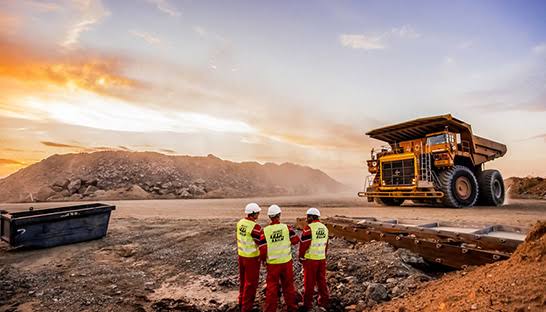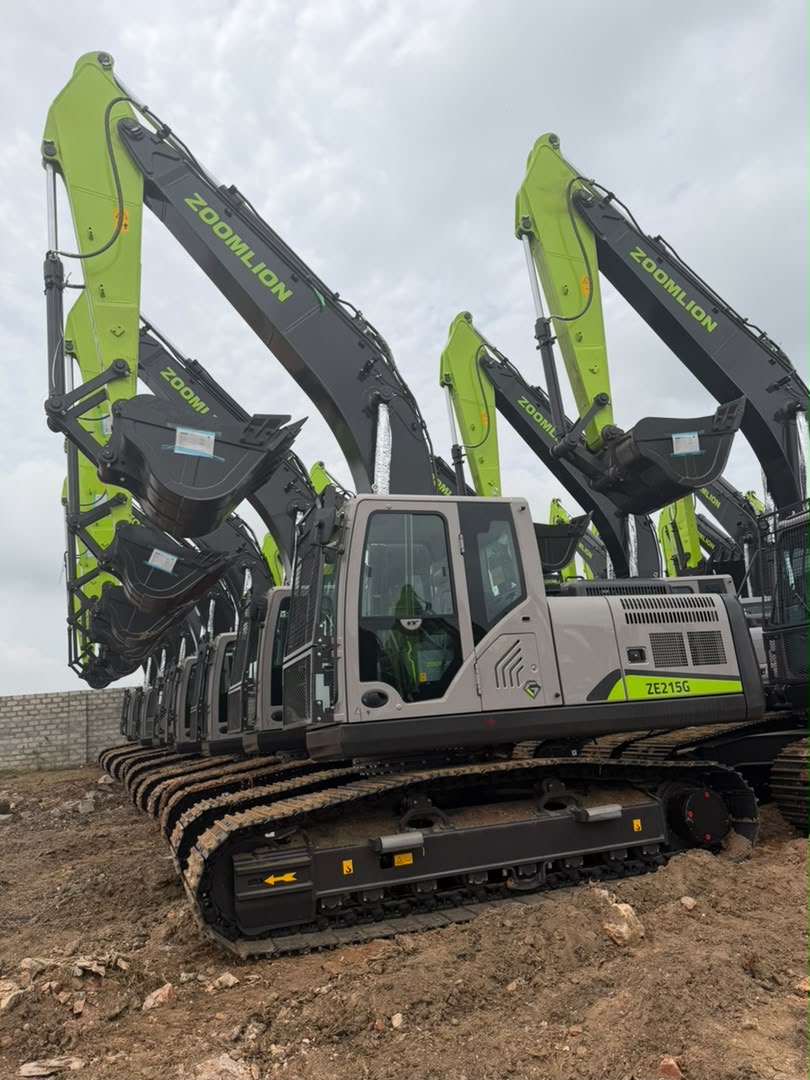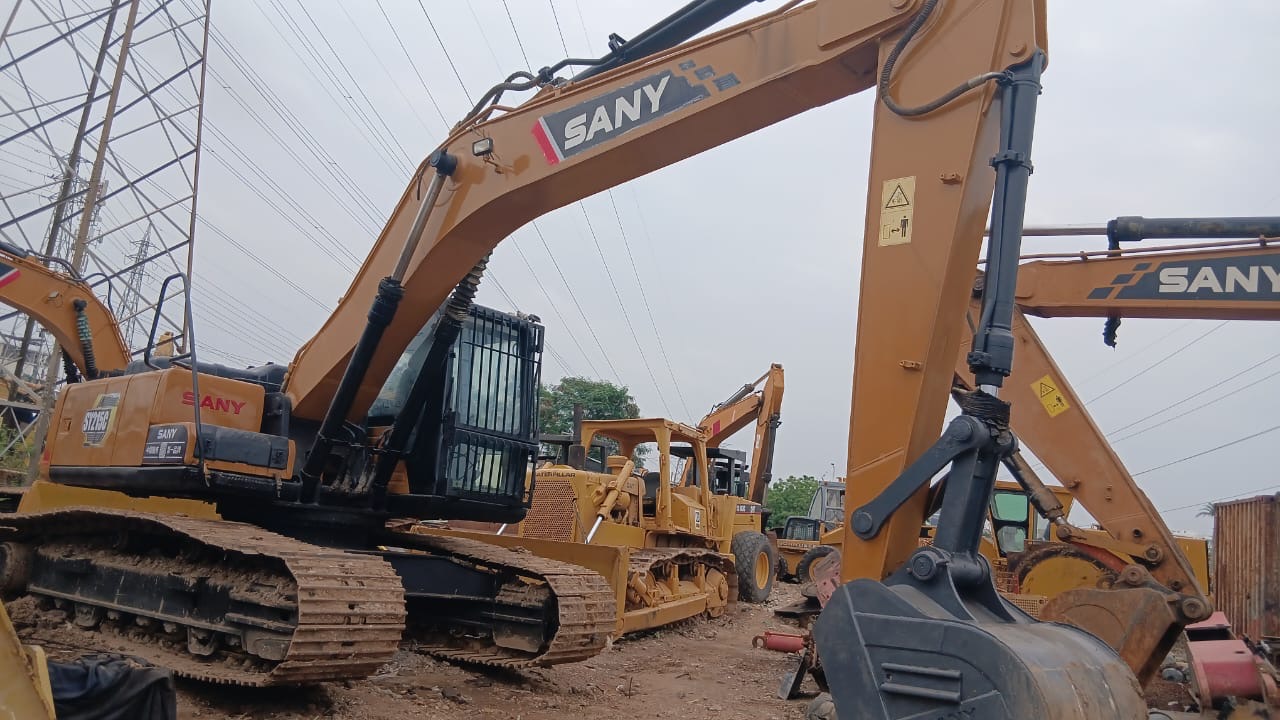

Foreign Direct Investment (FDI) in African mining is experiencing a dynamic shift. While global FDI to the region faced a slight decline in 2025, the mining sector itself remained remarkably resilient, attracting significant capital inflows . This investment is increasingly driven by global demand for critical minerals essential to the energy transition, with capital sources diversifying beyond traditional Western partners to include significant players from the Middle East and Asia .
📈 Investment Trends and Notable Deals
The landscape is characterized by large-scale commitments and a surge in exploration activity. A landmark $8 billion commitment from the African Export-Import Bank (Afreximbank) to South Africa aims to boost industrial growth, including mineral processing and energy infrastructure .
Specific mining projects attracting substantial investment include:
- Gold: The Nyanzaga gold project in Tanzania received a $523 million investment, while the Yaouré Underground Mine in Ivory Coast saw a $124.6 million injection .
- Alumina: Nigeria secured a $1.3 billion agreement to develop an integrated alumina refinery, projected to contribute significantly to the country’s GDP and foreign exchange earnings .
- Copper: UAE’s International Resources Holding acquired a majority stake in Zambia’s Mopani Copper Mines, revitalizing its production .
Exploration is also on the rise. Ghana currently hosts over 90 exploration projects and has attracted more than $20 billion in mining investment over the past two years . Namibia is processing over 800 new exploration applications following licensing reforms .
🔋 The Energy Transition and Critical Minerals
Africa’s role in the global energy transition is central to its growing investment appeal. The continent is estimated to hold roughly 30% of the world’s mineral resources, including vast reserves of copper, cobalt, lithium, and nickel—metals essential for electric vehicles, batteries, and renewable energy systems .
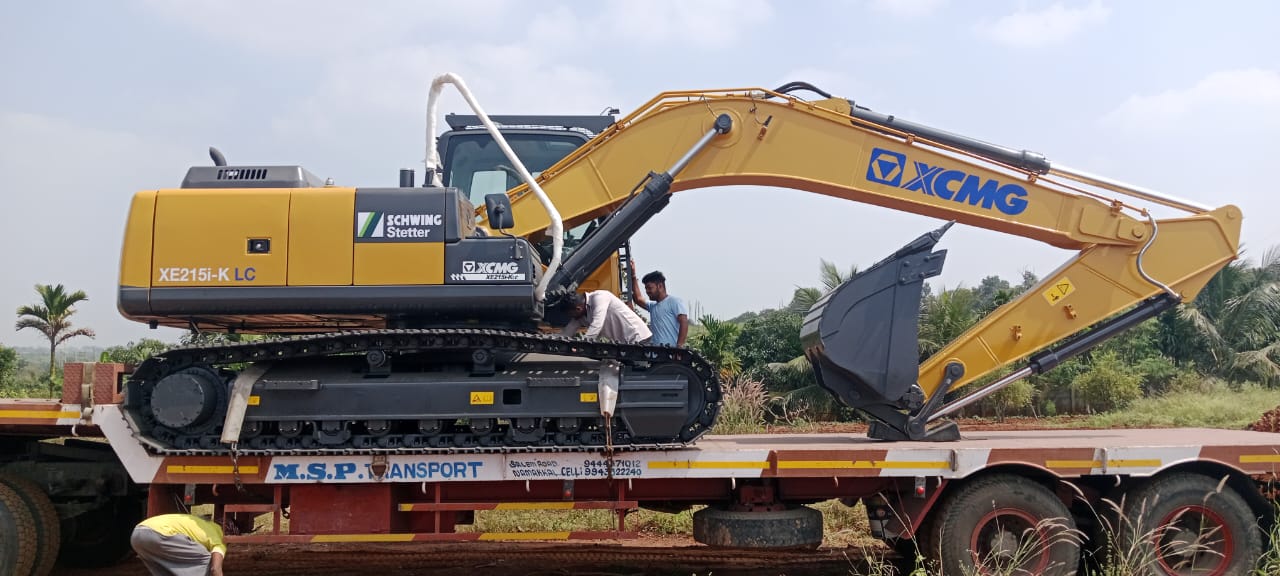
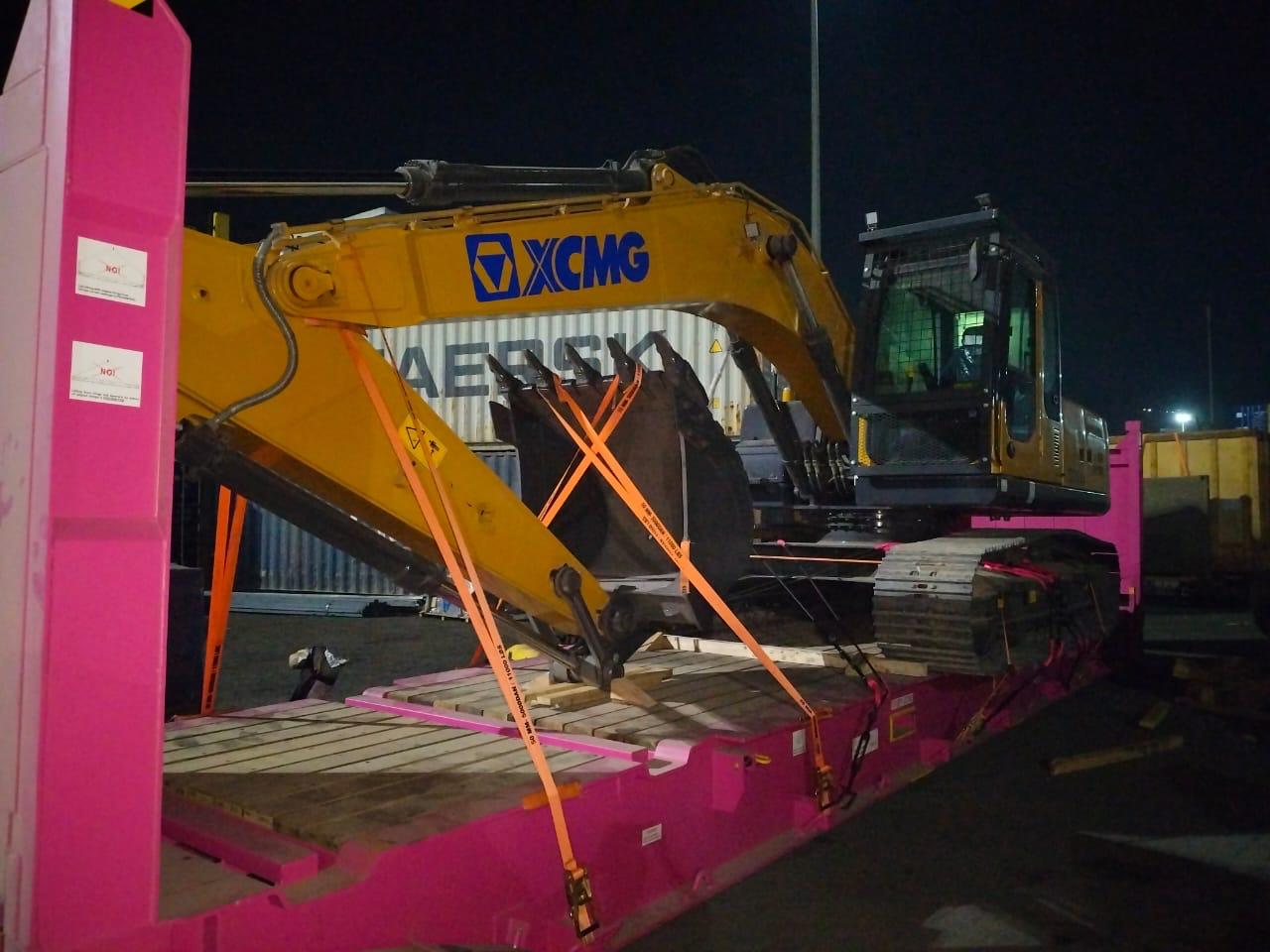
This positions Africa not as a peripheral supplier but as a strategic hub for securing the supply chains of the future . This has led to a sharp rise in greenfield exploration for these “critical minerals” .
🌍 A Diversifying Investor Landscape
The sources of capital for African mining are changing. While traditional partners like the UK remain significant (with firms like Anglo American, Rio Tinto, and Glencore), the most notable shift is the aggressive expansion from the Middle East and Asia .
- Gulf States: Investors from the UAE, Saudi Arabia, and Qatar have become major players. In the 2020s, Gulf investors have accounted for about 22% of greenfield FDI into Africa, double their share from the previous decade .
- China: China remains a dominant long-term partner, with an FDI stock exceeding $42 billion and providing significant funding for infrastructure that supports mining operations .
This diversification provides African nations and mining companies with more choices for partnership and capital .
🌍 Country Spotlights: Reforms and Activity
Investment is not uniform across the continent. Several countries are successfully attracting capital through targeted reforms and leveraging their resource wealth.
- Top Performers: According to the Fraser Institute’s 2025 survey, Botswana ranks as the most attractive African mining destination (7th globally), followed by Morocco (15th) and Tanzania (34th) .
- South Africa: Despite global uncertainty, the country has seen significant large-cap transactions, like the demerger of AngloAmerican Platinum. Its removal from the FATF grey list in late 2025 has boosted market confidence .
- Nigeria: The government is actively modernizing regulation and securing investment, exemplified by the $1.3 billion alumina refinery project .
- Namibia: Positive investment outlook driven by demand for uranium, lithium, and green hydrogen, attracting interest from the EU and Gulf States .
- Ghana: Despite being the continent’s top gold producer and attracting significant investment, policy continuity and regulatory stability have been flagged as concerns by investors .
⚖️ Key Drivers and Challenges
Several factors are shaping the investment environment.
Key Drivers of FDI:
- Policy and Regulatory Reforms: Many countries are updating their mining codes to attract investment. Liberia is introducing a new Mining Code, Namibia is finalizing a new Minerals Bill, and the Republic of Congo has approved a code introducing competitive bidding .
- Focus on ESG: Investors are increasingly prioritizing strong Environmental, Social, and Governance (ESG) performance. Responsible mining practices are seen as crucial for minimizing risk and ensuring long-term project viability .
- Local Value Creation: There is a growing trend towards “beneficiation”—moving beyond raw mineral exports to develop local processing, refining, and manufacturing industries. Projects like Nigeria’s alumina refinery exemplify this shift, which is often a key demand from host governments .
Persistent Challenges:
- Regulatory Uncertainty: Despite reforms, concerns about policy stability and contract sanctity persist in some nations. For example, Ghana’s ranking dropped due to doubts about its mining policy continuity .
- Governance and Infrastructure: Political risk, corruption, and inadequate infrastructure (like power and transport) remain significant hurdles that can deter investment .
- Resource Nationalism: Governments are seeking a greater share of benefits, leading to proposed changes like increased local ownership requirements, which can create uncertainty for investors .
In summary, the future of FDI in African mining is promising but hinges on continued regulatory reforms and a demonstrated commitment to sustainable and mutually beneficial partnerships.
I hope this overview is helpful. Are you interested in a more detailed look at investment opportunities or regulatory frameworks in a specific African country?