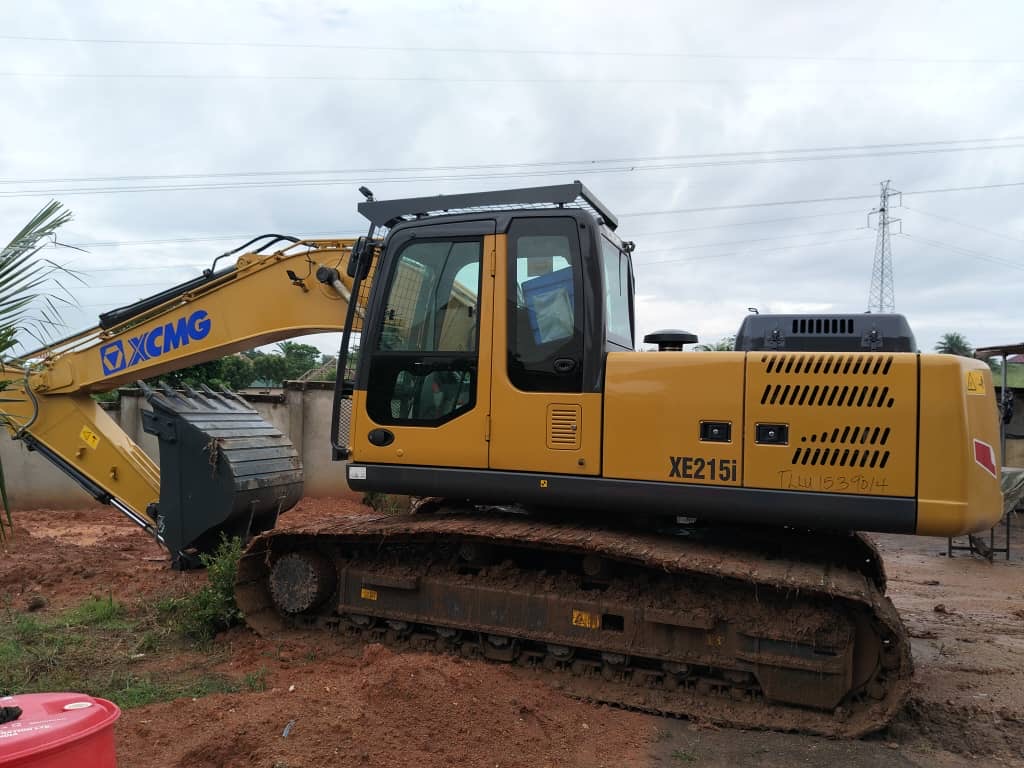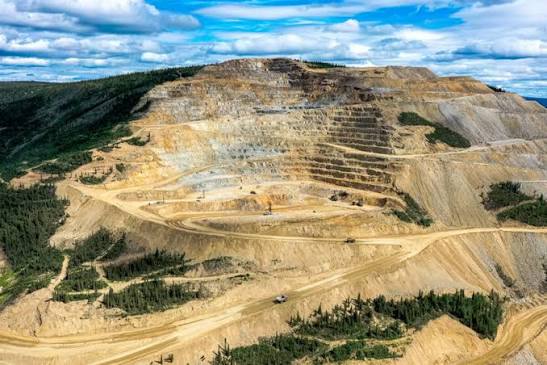

Investing in heavy equipment is a major capital decision. Unlike a vehicle, this equipment generates revenue directly, so the analysis is more rigorous. Here are the key factors to consider, broken down into financial, operational, and market categories.
- Financial Factors (The “Make or Break” Analysis) Total Cost of Ownership (TCO): Don’t just look at the sticker price. Calculate TCO = Purchase Price + Financing + Maintenance + Repairs + Fuel + Storage + Transport – Resale Value. Often, a cheaper machine has a higher TCO due to poor fuel efficiency or frequent breakdowns.
Financing vs. Leasing vs. Renting:
Buying: Best for 80%+ utilization. You build equity but bear all risk.
Leasing: Lower monthly payments, often includes maintenance. Good for 50-80% utilization.
Renting: Best for <50% utilization or specialized tasks. No long-term commitment, but daily rates are high.
Resale Value & Depreciation: Some brands (Caterpillar, Komatsu, Deere) hold value significantly better than others. Check auction prices (Ritchie Bros., IronPlanet) for 3-5 year old models. Avoid first-generation models of new technology.
Tax Implications: Section 179 depreciation (in the US) allows you to deduct the full purchase price in year one. Bonus depreciation may apply. Consult your CPA – timing the purchase at year-end can dramatically lower your tax bill.
- Operational Factors (The “Daily Reality”) Utilization Rate: This is the single most important metric. Will this machine run 1,500 hours/year or 500 hours/year? Rule of thumb: If utilization is under 1,000 hours/year, renting is usually cheaper than buying.
Parts & Service Access: A machine is worthless if it’s down for 3 weeks waiting for a part.
Question: Does the dealer have a local parts depot? Can they guarantee 24-hour delivery on critical components?
Aftermarket support: Avoid “orphan” brands (defunct or rare manufacturers) – parts become impossible to find.
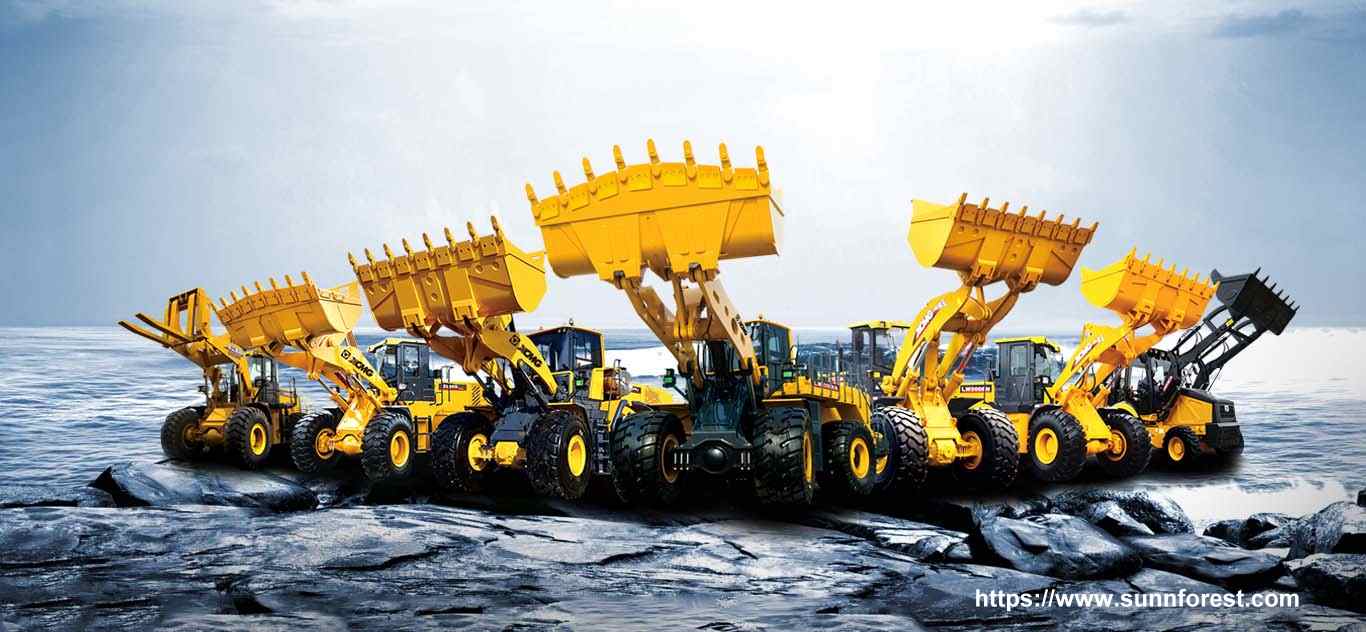

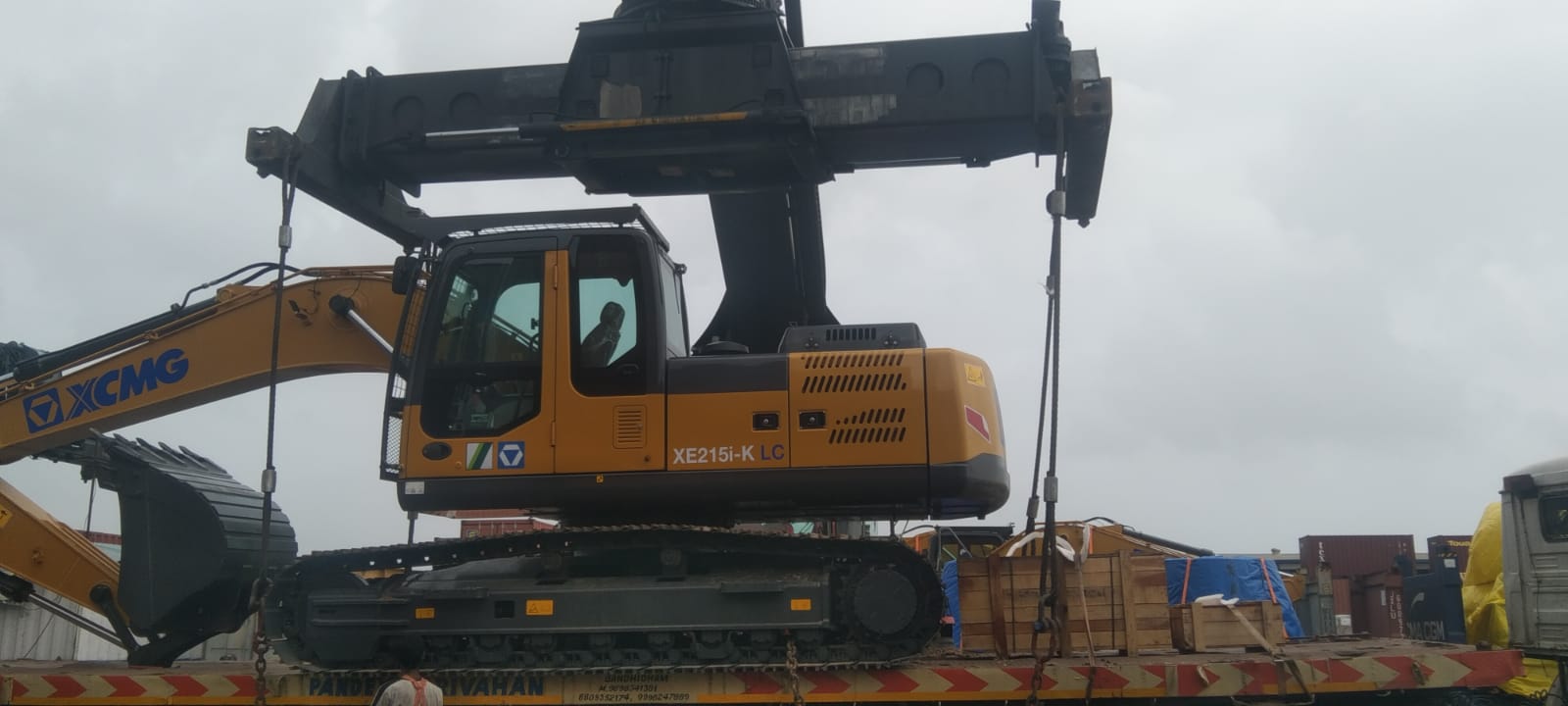
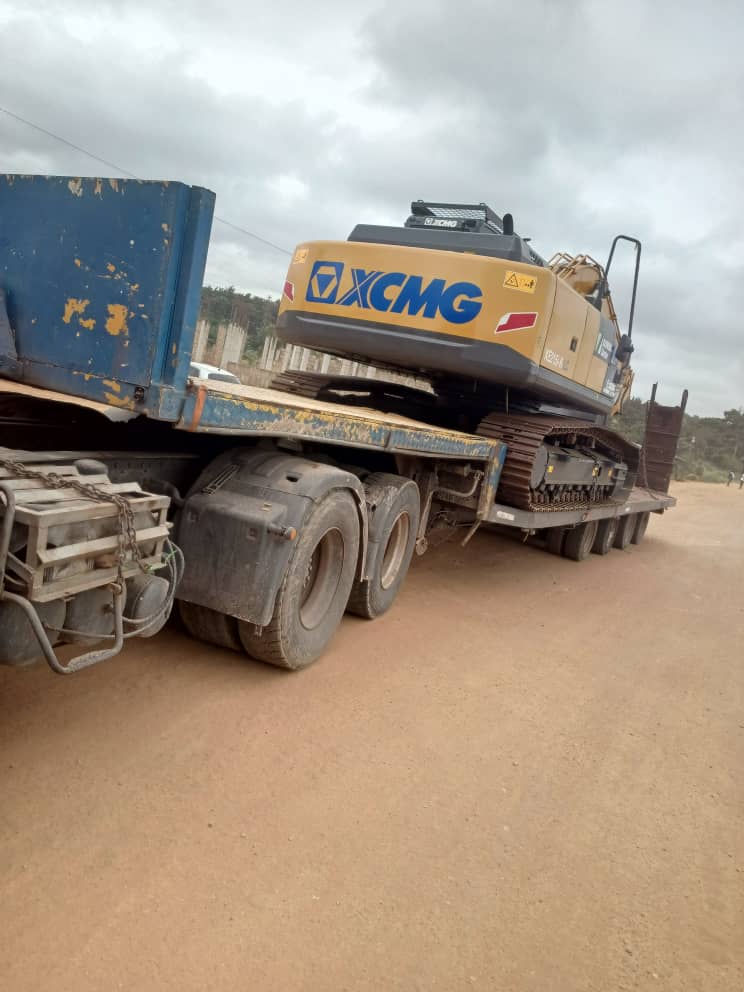
Fuel Efficiency: Over a 5-year life, fuel often costs more than the purchase price. A Tier 4 Final diesel or electric-hybrid model might cost 20% more upfront but pay for itself in 2 years on fuel alone.
Operator Skill & Training: The best machine fails with a bad operator. Factor in the cost of training or the risk of damage from inexperienced staff. Telematics (onboard computers) can monitor harsh braking, excessive idling, and over-revving.
- Equipment-Specific Factors Age vs. Hours: For heavy equipment, operating hours are more important than age.
Low hours (e.g., <5,000): Like new, but expensive.
Medium hours (5,000-10,000): Sweet spot for value. Ensure major service (pins/bushings, hydraulic pumps) was done.
High hours (>10,000): Only buy if you have an in-house mechanic. Expect undercarriage (tracks/tires) and final drives to fail soon.
Maintenance History: Demand a logged service record. Look for consistent oil changes, filter changes, and S·O·S oil analysis reports. A missing history means “assume the worst.”
Certified vs. “As-Is”: A manufacturer-certified used machine costs 10-15% more but includes a warranty and verified hours. “As-is” from an auction is a gamble – great for parts, risky for primary revenue generation.
- Market & Strategic Factors Backlog of Work: Do you have signed contracts before you buy? Speculating on equipment without a project is the #1 cause of forced fire-sales.
Local Competition: If every contractor in town owns a skid steer, rental rates are low and resale value is high (liquid market). If you’re the only one with a specialty pile driver, you can charge premium rates, but resale will be difficult.
Technology Match: Do you need GPS/grade control, telematics, or emission controls? These add cost and complexity. For dirt moving in remote areas, a simple mechanical engine (pre-DPF) might be more reliable than a high-tech Tier 4 machine, even if it’s older.
Regulatory Compliance: Some cities ban older, high-emission diesel engines from job sites. Check local air quality rules before buying a 1990s model.
A Practical Decision Framework Before signing anything, answer these three questions:
The “Rent vs. Buy” Breakeven: If this machine sits idle for one month, will my business still be profitable? If no, rent it.
The “Mechanic Test”: Do I have a qualified mechanic on payroll or under contract? If no, only buy new or certified used with a full parts-and-labor warranty.
The “Exit Plan”: If the project gets cancelled in 12 months, where do I sell this and for what price? If you can’t name a specific auction house or dealer who buys that model, reconsider.