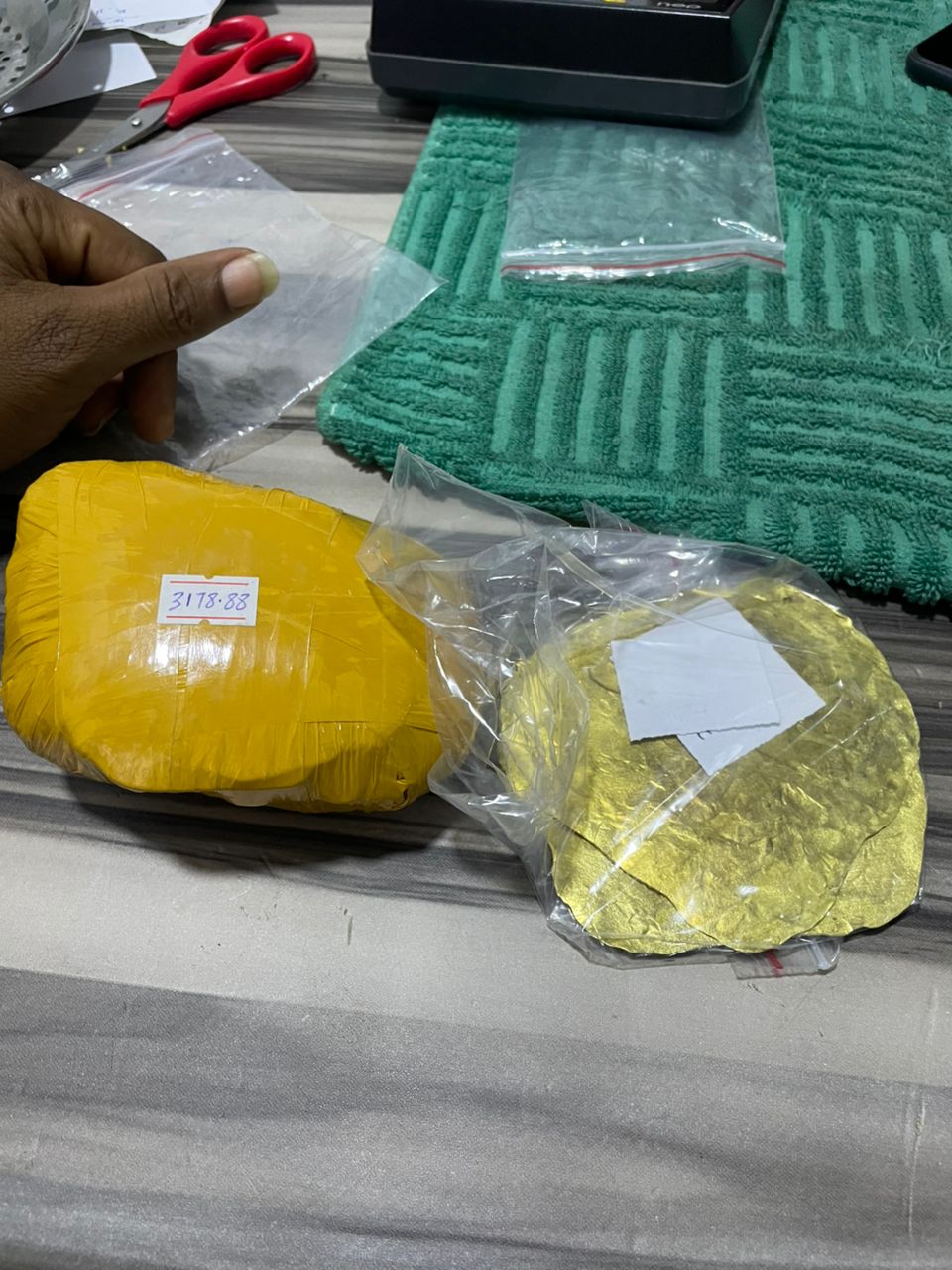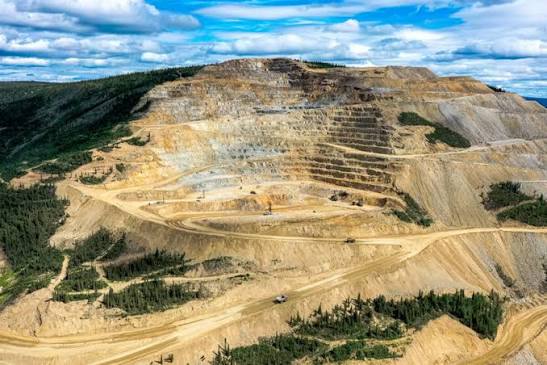

Financing for gold mining projects has evolved beyond the straightforward debt-or-equity debate. A variety of specialized tools are available to today’s developers, and the most effective ones frequently employ a hybrid approach using several technologies.
- Conventional Financing: Equity and Debt
The traditional method of financing a gold mine combines stock and senior debt. Typically, debt finances the remaining portion of the capital requirement, with equity covering between 30% and 35% of the total. The main benefit of debt for developers is that it does not dilute current shareholders. The main issue is that senior debt is just unavailable for the vast majority of projects, especially greenfield ventures, until a project is “bankable.”
Public offerings for listed firms, private placements with institutional funds, and strategic investors—typically current shareholders—are sources of equity financing. Equity rounds for privately held exploration businesses usually cost between $5 million and $20 million, and they are mostly used for resource characterization and drilling.
Only properties that have reached the most advanced stages of development are eligible for senior secured project loan. Conventional lenders need a thorough Environmental and Social Impact Assessment (ESIA), a solid Bankable Feasibility Study (BFS), and a reputable management team with a track record of success. Before a loan committee makes a final judgment, lenders will require an independent engineer to confirm all technical and economic assumptions.
- Streaming: Today’s Sales of Future Production
In a financing arrangement known as “streaming,” a “streamer” gives a mining firm an upfront capital contribution in exchange for the right to buy a predetermined, heavily discounted portion of the mine’s future output at a certain price (often for the duration of the mine). In order to connect payment responsibilities with actual cash flow, a gold stream is not a loan; the miner only distributes metal if the mine produces it.
In order to allow the miner to profit from non-core goods without compromising borrowing capacity against its principal metal, streams are usually structured on by-product metals, such as gold or silver produced as a by-product of a copper or nickel mine.
Reduced equity dilution is the main advantage for developers. A stream often has fewer constraints and can be negotiated and executed much more quickly than standard project financing, providing the miner more operational flexibility.
The main risk is that a miner can unintentionally set the streamed product’s price too low, locking in a discounted price for years and missing out on future price increases.
The contemporary streaming structure is demonstrated by the Cora Gold case study. Cora Gold and its biggest equity partner, Eagle Eye Asset Holdings, inked a legally binding term sheet for a $120 million gold stream in April 2026. This streaming arrangement, when combined with a recent equity investment of £15.7 million, fully funded the Sanankoro project’s development in Mali all the way to first gold. Eagle Eye is allowed to buy 30.44% of the gold produced at 20% of the current spot price under the rules. Crucially, Cora was able to optimize its capital structure over time by keeping the option to replace up to 50% of the stream with conventional senior debt within 240 days.
- Royalty Financing: Revenue Sharing Without Metal Sales
A royalty differs from a stream in that, instead of receiving actual metal, the investor is entitled to a portion of future revenue (usually 2% to 5%). The royalty holder is not required to make continuous payments for the commodity delivered; instead, they receive continual cash payments based on a proportion of minerals produced or income generated.
Because royalties are completely outside of debt covenants and have no bearing on borrowing base calculations, the royalty model gives the miner the most operational flexibility. Franco-Nevada (TSX:FNV, NYSE:FNV), Royal Gold (Nasdaq/TSX), and Sandstorm Gold are significant royalty firms.
- Prepayment Facilities and Offtake Agreements
The sale of tangible goods from the mine is guaranteed by an offtake agreement. In conjunction with a prepayment facility, the offtaker contributes upfront funds that are reimbursed through subsequent deliveries of gold, usually at a minor discount to market value (e.g., 2%). Prepayment facilities are typically set up as fixed-term forward purchase agreements, in contrast to streams, which frequently operate for the duration of the mine.
In order to facilitate the restart of its Beacon Gold Mill operations, LaFleur Minerals signed a term sheet with Trafigura in April 2026 for a C$30 million prepayment facility with no obligations for commodities price hedging and a gold doré purchase agreement.
- The Technical Basis: Technical Reports and Feasibility Studies
Prior to receiving any institutional funding, a gold project needs to prove its legitimacy with thorough technical documentation. Technical reports serve as capital filters in addition to being compliance requirements. Financing is frequently contingent upon meeting frameworks like NI 43-101 (Canada), JORC (Australia), or SEC S-K 1300 (USA).

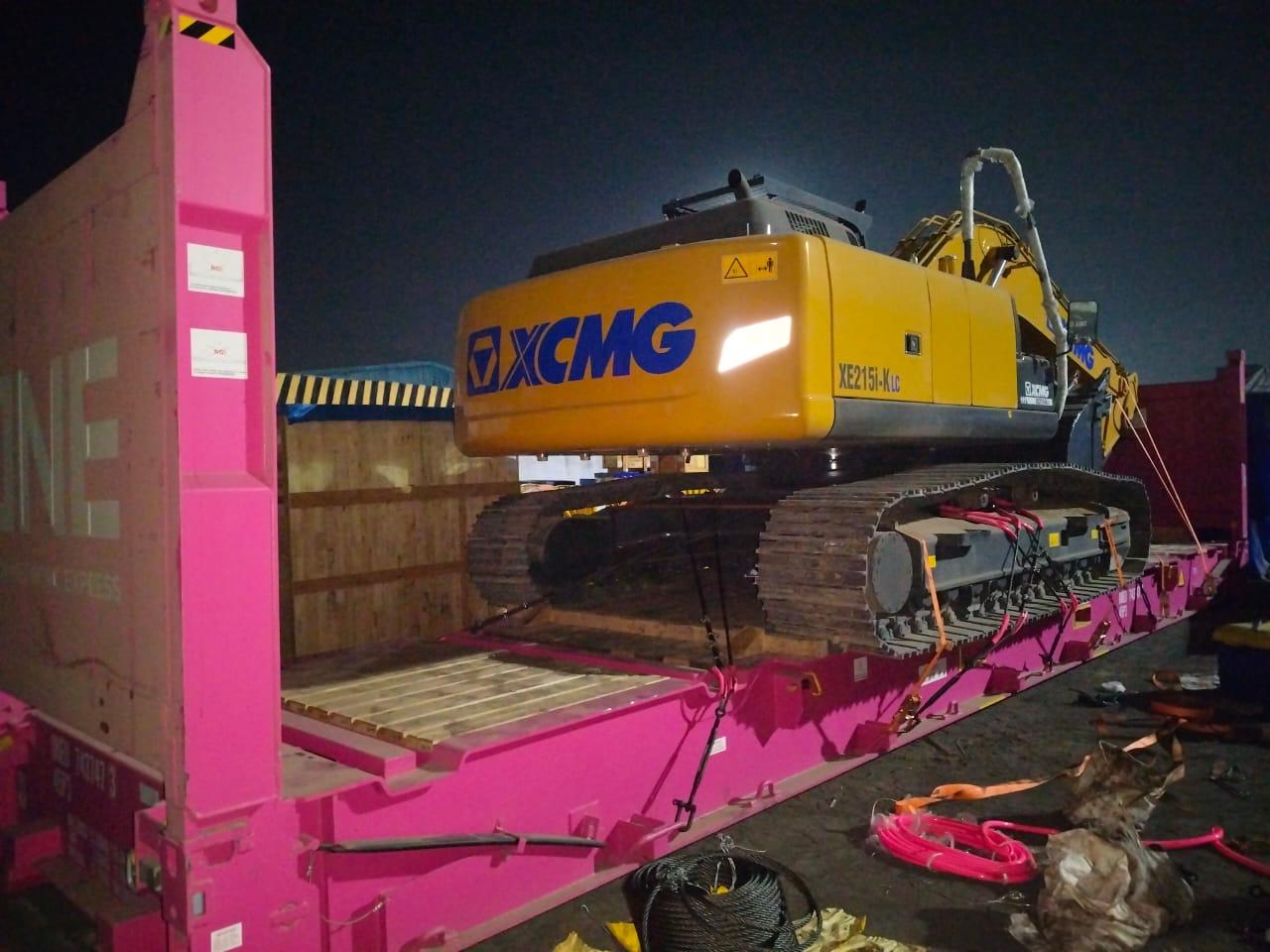

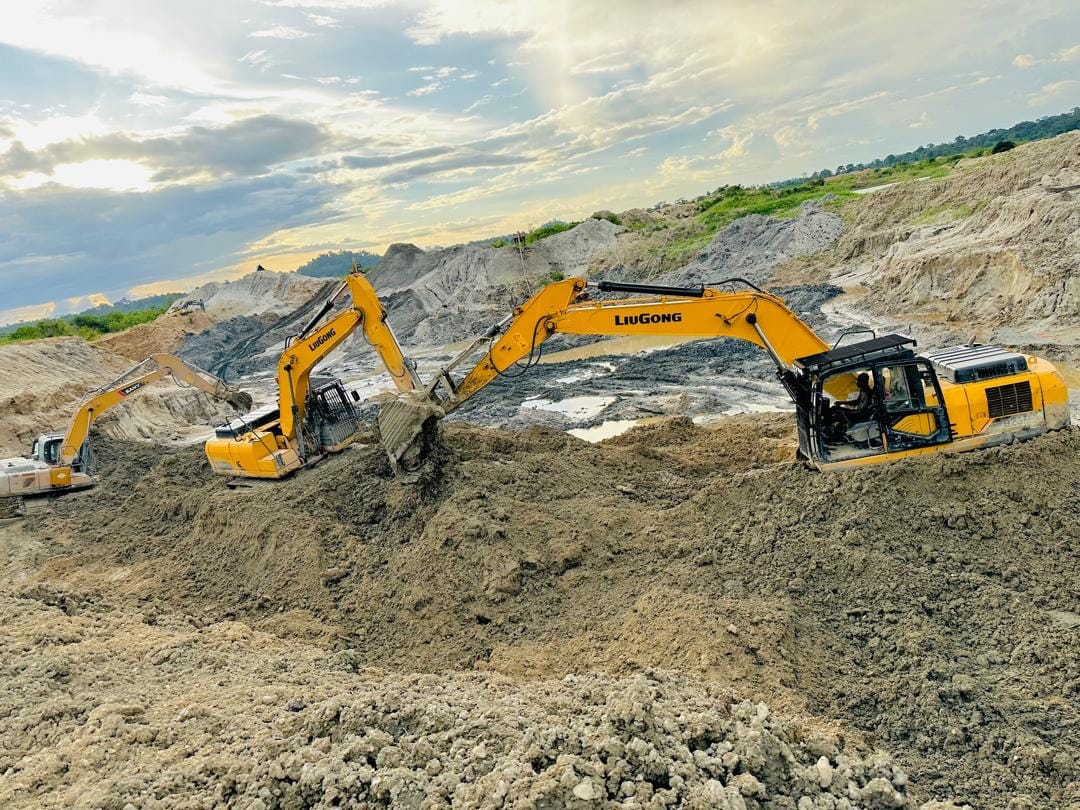
The foundation of the development of mining projects is the Definitive Feasibility Study (DFS). A bankable DFS converts a mineral deposit into a development schedule, cost estimates, and detailed engineering that can be financed by banks and partners. Feasibility studies for development assets must often meet “bankable standards.” Technically, a DFS without a funding plan is feasible, but investors want to know exactly how money will be raised, whether through partnerships, loans, equity, or streaming.
A study is transformed from an idea into a bankable proposal through early involvement with funders during the DFS process, establishing a feedback loop that synchronizes technical feasibility with financial structuring.
- What Investors Seek
Professional investors use a consistent approach that emphasizes the following crucial elements when assessing gold mining opportunities.
Management Team: The crucial component is the management team’s caliber, expertise, and performance history; the “jockey behind the project” gives assurance that objectives will be met.
Geological Potential: In addition to geological continuity and mine life, deposit size and grade are important factors in determining feasibility.
Economic Viability: Projections of commodity prices, production costs, and margins must show strong economics even in the event of a downturn.
Jurisdiction and Regulatory Environment: Political stability, land tenure security, mining licenses, and permitting status are crucial. Regardless of mineral potential, investors steer clear of unstable nations.
ESG Factors: Instead of being checklists, environmental impact studies, community involvement, stakeholder consultation, and governance structures are now strategic imperatives. As ESG attracts green financing and lower-cost capital, funders seek proof of significant community engagement.
Infrastructure: Production costs and project viability are greatly impacted by access to water, power, and transportation.
Brownfield expansions are becoming more popular among investors than early-stage greenfield development. Existing infrastructure, quicker cash flow access, improved geological data, and reduced permitting and execution risk are all advantages for brownfield projects. There is less effort in this industry since early-stage greenfield exploration is thought to be excessively risky and slow.
- Construction Hazards and Emergency Facilities
One major risk associated with large-scale mining projects is cost overruns. Usually backed by stock or a letter of credit, lenders demand a cost overrun facility that is expressed as a percentage of starting capital. The April 2026 Youanmi gold project financing in Western Australia provides an excellent example: an A 350 𝑚 𝑖 𝑙 𝑙 𝑖 𝑜 𝑛 𝑠 𝑦 𝑛 𝑑 𝑖 𝑐 𝑎 𝑡 𝑒 𝑑 𝑓 𝑎 𝑐 𝑖 𝑙 𝑖 𝑡 𝑦 𝑝 𝑎 𝑐 𝑘 𝑎 𝑔 𝑒 𝑐 𝑜 𝑚 𝑝 𝑟 𝑖 𝑠 𝑖 𝑛 𝑔 𝑎 𝐴 350millionsyndicatedfacilitypackagecomprisingaA300 million senior secured project term loan, an A 20 𝑚 𝑖 𝑙 𝑙 𝑖 𝑜 𝑛 𝑐 𝑜 𝑠 𝑡 𝑜 𝑣 𝑒 𝑟 𝑟 𝑢 𝑛 𝑓 𝑎 𝑐 𝑖 𝑙 𝑖 𝑡 𝑦 , 𝑎 𝑛 𝑑 𝑎 𝐴 20millioncostoverrunfacility,andaA30 million bank guarantee facility. Targeted protection against construction cost escalation due to unanticipated ground conditions, supply chain delays, and regulatory changes is provided by the cost overrun component, which accounts for 5.7% of all facilities. Four tier-one financial firms were part of the syndicate: Westpac, HSBC, Sumitomo Mitsui Banking Corporation, and Societe Generale.
In order to mitigate construction risks, modern financing packages are increasingly incorporating flexible contingencies and milestone-based payments. For example, Wheaton Precious Metals structured a 275 𝑚 𝑖 𝑙 𝑙 𝑖 𝑜 𝑛 𝑠 𝑡 𝑟 𝑒 𝑎 𝑚 𝑤 𝑖 𝑡 ℎ 𝑠 𝑡 𝑎 𝑔 𝑒 𝑑 𝑝 𝑎 𝑦 𝑚 𝑒 𝑛 𝑡 𝑠 𝑡 𝑖 𝑒 𝑑 𝑡 𝑜 𝑐 𝑜 𝑛 𝑠 𝑡 𝑟 𝑢 𝑐 𝑡 𝑖 𝑜 𝑛 𝑚 𝑖 𝑙 𝑒 𝑠 𝑡 𝑜 𝑛 𝑒 𝑠 𝑝 𝑙 𝑢 𝑠 𝑢 𝑝 𝑡 𝑜 275millionstreamwithstagedpaymentstiedtoconstructionmilestonesplusupto25 million for cost overruns.
- Current Trends in the Market
One of the main pillars of mine funding is streaming. Streams were once a specialized tool, but both novice developers and seasoned producers today use them as a reliable and strategic tool.
The new standard is blended finance packages. These days, it is typical for transactions to include several funding sources at once, including equity, senior secured loans, cost-overrun facilities, and streaming or royalty financing.
There are new people coming into the room. Major pension funds, institutional investors, and mining-focused private equity firms are becoming more active in addition to traditional royalty and stream corporations like Franco-Nevada, Silver Wheaton, and Royal Gold.
The expectations of investors have become more stringent. Project ramp-up profiles and contingency budgets are becoming more cautious because to rising input costs, power limitations, and regulatory risk. Higher hurdle rates are required for gold projects, which should prioritize shorter payback times and downside protection over peak-cycle profits. Higher confidence resource categories, good drilling density, a clean reconciliation history, seasoned management teams with proven track records, manageable phased capital expenditure profiles, and better ESG compliance are all traits that bankable gold projects frequently have in common.
Project Developers’ Summary Checklist
Step Important Steps
Technical preparation: Finish a resource report that complies with NI 43-101 and JORC, followed by a bankable DFS
Obtaining all necessary environmental and mining permissions
Management Put together a group with a track record of completing projects successfully.
Investor targeting Find investors who share your project’s commodity emphasis, preferred stage, and ticket size.
Financing structure: Take into account a combination of senior debt, equity, streaming/royalty, and cost-overrun facilities.Create thorough environmental and social management systems (ESMS) that adhere to the IFC Performance Standards.
Readiness for due diligenceAssemble tenure papers, geology, technical studies, ESG, and governance materials in the data room.