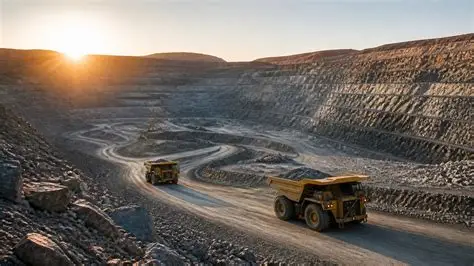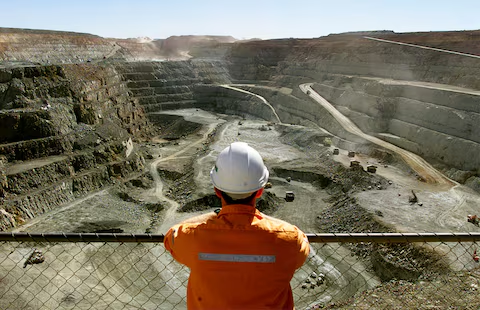

With a recent increase of more than 80%, the mining industry has surpassed even AI-focused tech equities. This manual offers a useful road map for negotiating the industry and its prospects in 2026.
📈 Why Mining in 2026? The industry is being driven by three strong structural themes:
AI and electricity will require enormous quantities of basic metals in the New Industrial Revolution. In 2026, AI data centers alone are expected to use over 475,000 metric tons of copper.
Geopolitical and Industrial Strategy: Resources are increasingly instruments of national policy, leading to “deglobalization” and an increase in central banks’ purchases of gold as a method to diversify away from the US currency.
Changing Macroeconomics: As a hedge against currency depreciation, high government debt and fiscal domination are pushing capital into hard assets.
🪙 Important Metals for 2026 An overview of the major metals influencing this market and their attractiveness to investors is provided below:
Investor Appeal for Metal Key 2026 Dynamics Gold miners are up 163% in 2025; central banks are purchasing about 850 tons of gold; Goldman Sachs is aiming for $5,400 per ounce.Mining stock leverage to prices, neutral reserve assets, safe havens, and inflation hedges. Copper shortage of about 330,000 tons; demand for AI and electrification; 60% margins; UBS increased projections for 2026 by 13%.Pure-play on electrification; a supply shortage with substantial potential for growth. Between December 2025 and January 2026, lithium prices increased by 95%, and deficits are predicted for 2026–2027. Demand for energy storage (ESS) is a significant new factor.Tight supply, a sharp turnaround in price, and a structural change in battery demand. Silver and Uranium Strong industrial demand from solar energy is causing a shortage of silver. One important fuel for renewable energy is uranium.Uranium is a play in the clean energy transition; silver is an industrial and precious metal. 🛠️ The “Barbell” Strategy for Investing For all metals, the “copper barbell” approach is advised. By carefully allocating to high-upside growth prospects while anchoring with low-risk, cash-flowing assets, it blends stability and growth.
Establishing a Stable and Low-Risk Portfolio Major Producers (Majors) are established, dependable, international businesses. Because of operational leverage, their earnings increase when commodity prices rise. This potential is demonstrated by the gold “super-margins” era and the 48%–54% operating margins of copper.
Mining ETFs: Quick, diversified exposure to a particular commodity sector or a basket of miners. The Global X Copper Miners ETF (COPX) for copper and the VanEck Gold Miners ETF (GDX) for large-cap gold miners are two examples.
Aiming High: The Factors Driving Growth Junior Miners & Developers: Small exploratory firms. The “studies and offtake” or “financing and construction” stage is where developers are.
Why Take Them Into Account? Only one in a thousand anomalies turns into a mine, thus the probabilities are extremely slim. They are the venture capital of the mining industry, though, because a single success can yield enormous profits.
Important Caution: Individual firm management, not just commodity price patterns, is a major factor in junior mining success. Extensive due diligence cannot be compromised.
🧑🔬 Advanced Approaches: Options & Active Management Consider Active Management: A “stock picker’s market” since long-term equity results are frequently not significantly influenced by commodity prices alone. Owning the actual commodity is the greatest way to get true commodities exposure.
Use Options Strategically: Covered calls on reputable large-cap miners can protect against small declines and yield premium income. Purchasing put options is an inexpensive way to protect portfolios from a severe decline.
💡 Useful Actions for Every Investor Step 1: Establish your financial objective.
Step 2: Decide whether to invest in large-cap mining companies, ETFs, or physical metal.
Step 3: Create and fund an account.
Step 4: Complete the purchase.
🔍 Due Diligence: Crucial Signs Prior to making an investment, look at these important metrics:
For miners (see the financial reports of the company)
All-in Sustaining Cost (AISC): Profitability and margins increase when expenses are reduced.
Balance Sheet: Dilution risk is decreased by low debt and large cash reserves.
Mine Life: Indicates sustainability; measured in years of reserves left.
Jurisdiction: Political and regulatory risk is reduced in stable, mining-friendly nations.
Operating Margin: 48–60% is ideal for copper miners.
For producers, a positive and expanding cash flow is preferable.
For juniors, review the news releases from the company.
Management Team: The most important consideration is past performance.
Drill Results: Resource growth depends on consistent high-grade intercepts.
Cash Position: Enough to cover planned exploration for a period of 12 to 24 months.
Share Structure: Insider ownership and a low number of outstanding shares are encouraging indicators.
⚠️ Principal Dangers and How to Reduce Them Company-Specific Risk (which can be reduced by spreading it over a number of reputable brands)
Dilution (avoid businesses with inadequate capital discipline)
Operational/Execution Risk (reduce by emphasizing effective management)
Jurisdictional Risk (reduced by giving preference to stable, mining-friendly nations)
Juniors’ Liquidity Risk (use limit orders to reduce it)
Commodity Price Volatility (which can be reduced by diversifying your portfolio)
Environmental and Regulatory Risk (evaluate a business’s operating license)
Technical failures and CAPEX overruns (search for projects with thorough feasibility assessments)
🔑 Crucial Success Lessons Diversify: Avoid investing all of your money in a single metal or business.
Do Extensive Research: The most important long-term return driver is the company’s fundamentals.
Start with ETFs: ETFs offer safer, more varied exposure for novices to learn about the industry.
Match Risk to Timeline: Juniors for tiny, high-risk upside bets; majors for stable core holdings.
Investing in mining is not passive. Opportunities abound, but those who do their homework, use prudent risk management, and maintain patience will succeed.
Would you like me to examine more closely at any of these subjects, such a more in-depth examination of a particular metal, the workings of mining ETFs, or the junior mining industry?