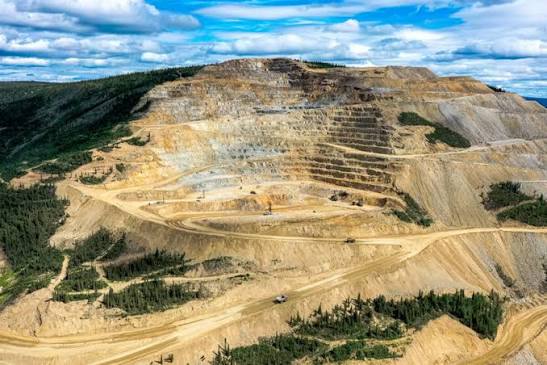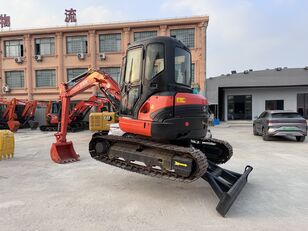

China’s market for mining equipment rentals is growing quickly due to the mining sector’s demand for operational flexibility and cost effectiveness. By moving the high upfront expenditures of equipment purchases to operating expenses, this strategy enables mining businesses to avoid such costs. Technological trends toward automation and digitization are also reshaping the sector, all under an increasingly stringent regulatory framework.
📊 Market Size and Growth Path
Strong increase is shown by statistics from multiple study publications, albeit exact numbers for China may differ. Key forecasts are summarized in the following table:
Source: Market Focus Base Data (Year) Projection (Year) CAGR
$10,061 million (2032) 5.8% (2026-2032) QYResearch China Mining Machinery Rental Services (Unspecified)
Global Coal Mine Equipment Rental DIResearch $9,307.61 million (2025) $33,702.61 million (2032) 20.18% (2025-2032)
Global Coal Mine Equipment Rental QYResearch ¥59.7 billion (2025) ¥237.69 billion (2032)22.1% between 2026 and 2032
Global Coal Mine Equipment Rental YHResearch ¥44.2 billion (2024) ¥153.4 billion (2031)19.6%
Global Mining Machinery Rental Services QYResearch $4.0 billion (2025)10.0% (2026-2032) 7.97 billion (2032)
Grand View Research Asia Pacific Region $54,207.8 million (2030) $38,025.0 million (2024) 6.1% (2025-2030)
The Asia Pacific region, which accounted for more than one-third (35.6%) of worldwide market revenue in 2024, includes the crucial China market. 60% of Asia Pacific’s active surface mining fleet is operated by China alone, making it the dominant force in this area.
📈 Important Market Factors
Asset-Light Strategies & Cost Pressures: Operational expenditures (OPEX) are becoming more important to mining businesses than capital expenditures (CAPEX). By allowing for the flexibility to scale operations up or down in response to project lifecycles and commodity prices, equipment rentals can free up capital for essential tasks like exploration and processing.
Technological Modernization: Equipment can soon become outdated due to the swift speed of innovation in mining technology, such as automation, artificial intelligence, and electric gear. Without committing to long-term ownership, renting gives businesses access to the newest, most effective equipment.
Benefits of Maintenance and Support: Full-service rental agreements frequently include technical assistance, maintenance, and repairs from the rental provider, which lessens the operational load and downtime for the lessee.
Strong Mining Demand: Both surface and underground mining equipment are still in high demand due to China’s overall need for coal, metals, and minerals.
🏢 Important Players & Competitive Environment
Large domestic companies, specialist local firms, and international heavyweights make up the competitive scene.
Principal Domestic and International Rivals
International Companies: By utilizing their cutting-edge technologies and extensive global networks, Caterpillar Inc., Komatsu Ltd., Hitachi Construction Machinery, Liebherr, Atlas Copco, and Sandvik have a significant presence.
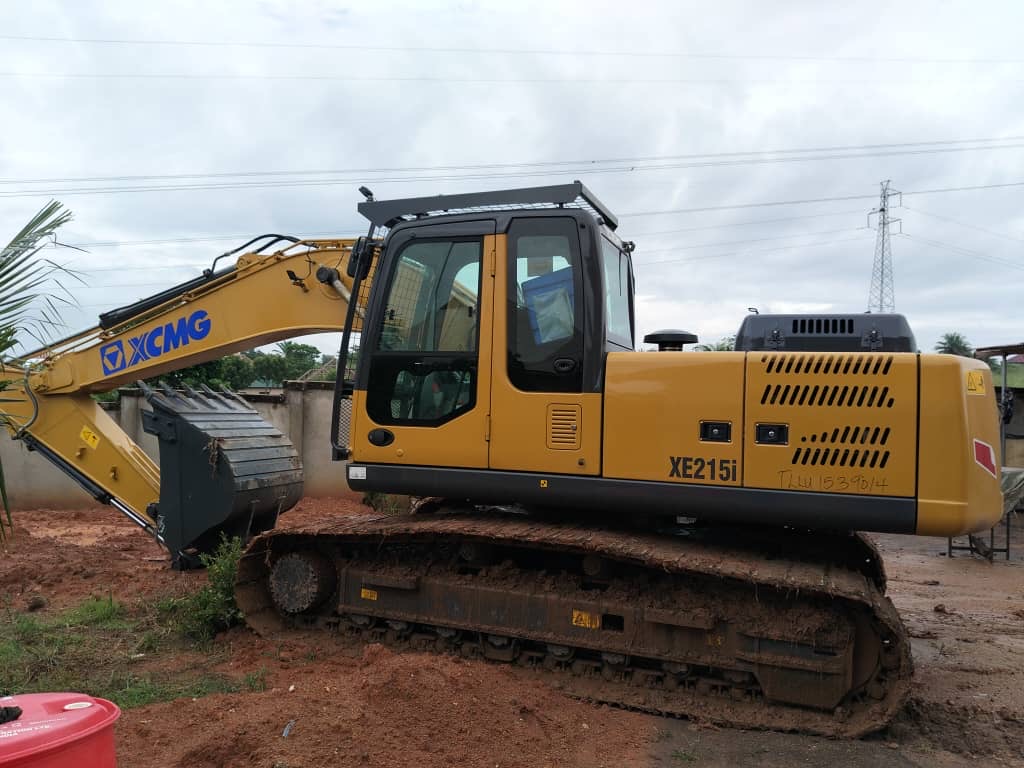
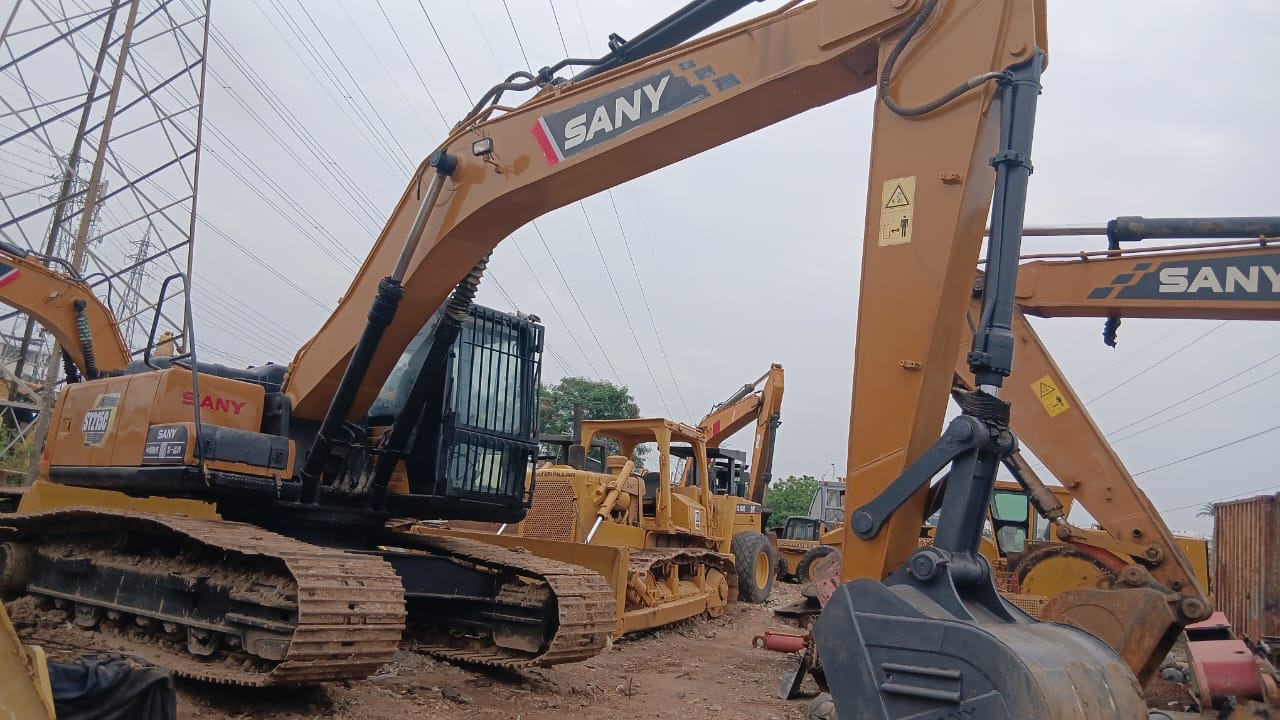
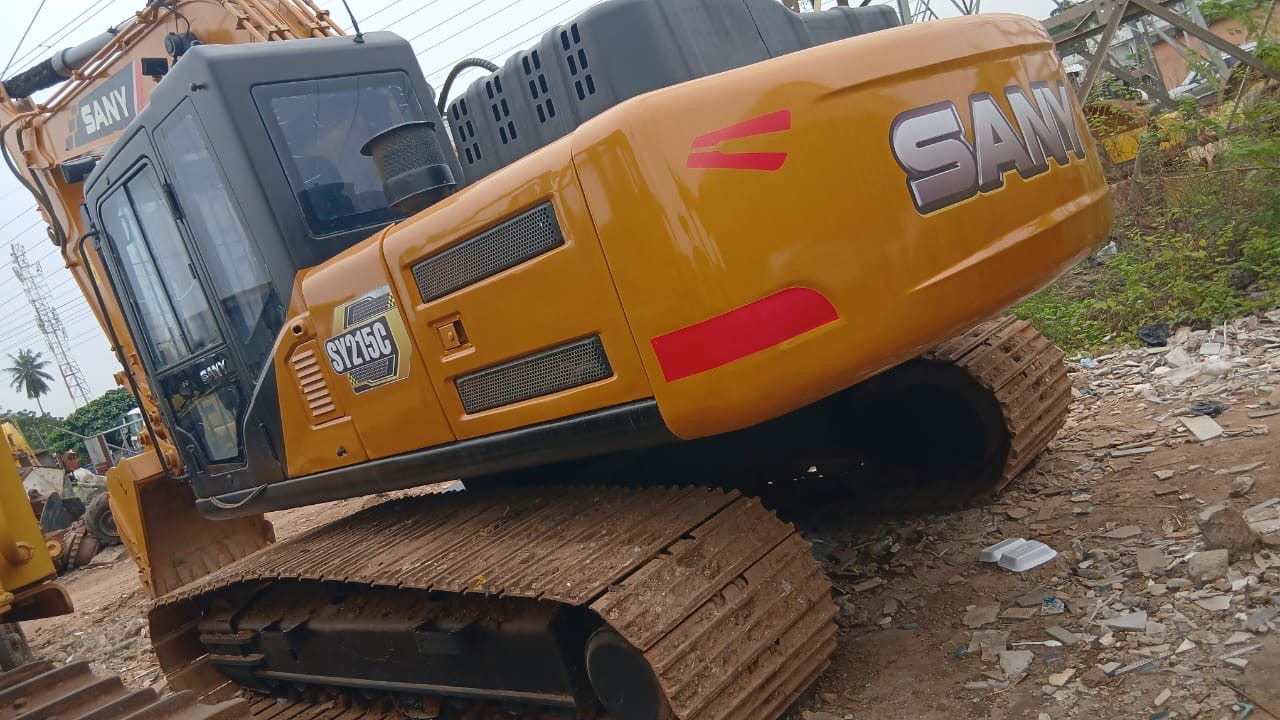
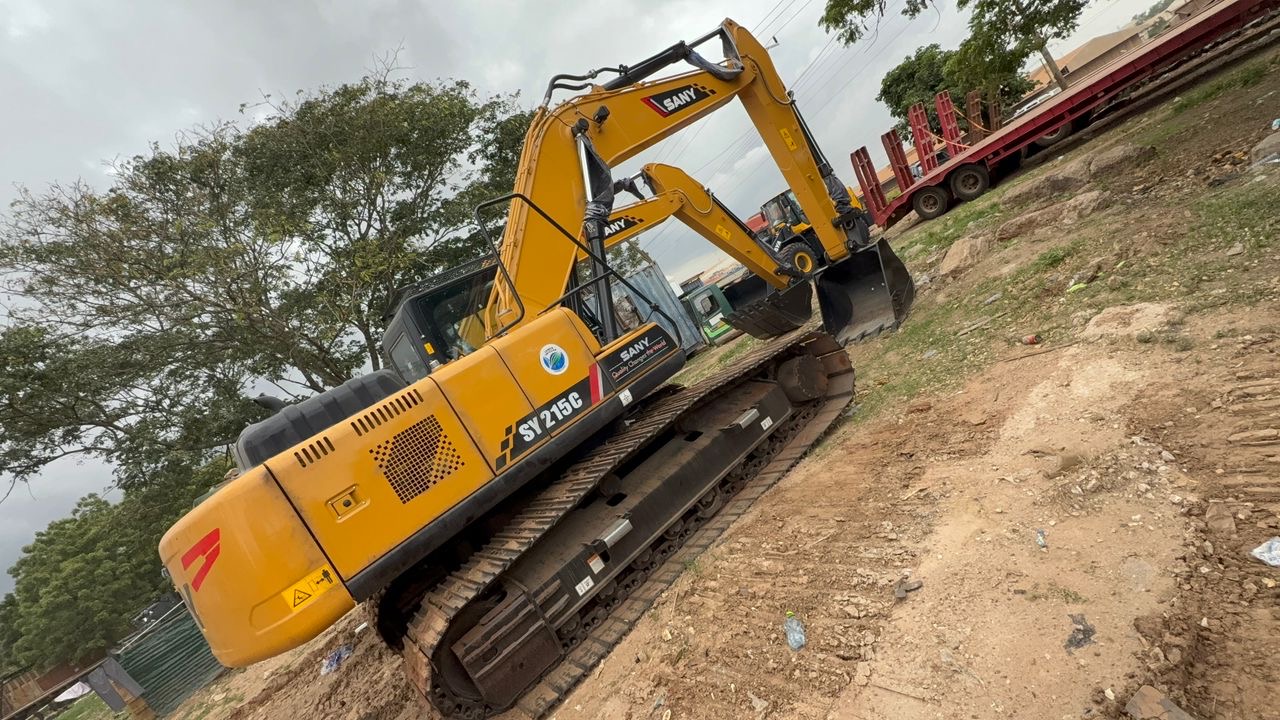
Big Chinese Companies: To supplement their sales, domestic manufacturing behemoths like Taiyuan Heavy Machinery Group, Zhengzhou Coal Mining Machinery Group, and Sany Heavy Industry are entering the rental industry.
Specialized Rental Companies:
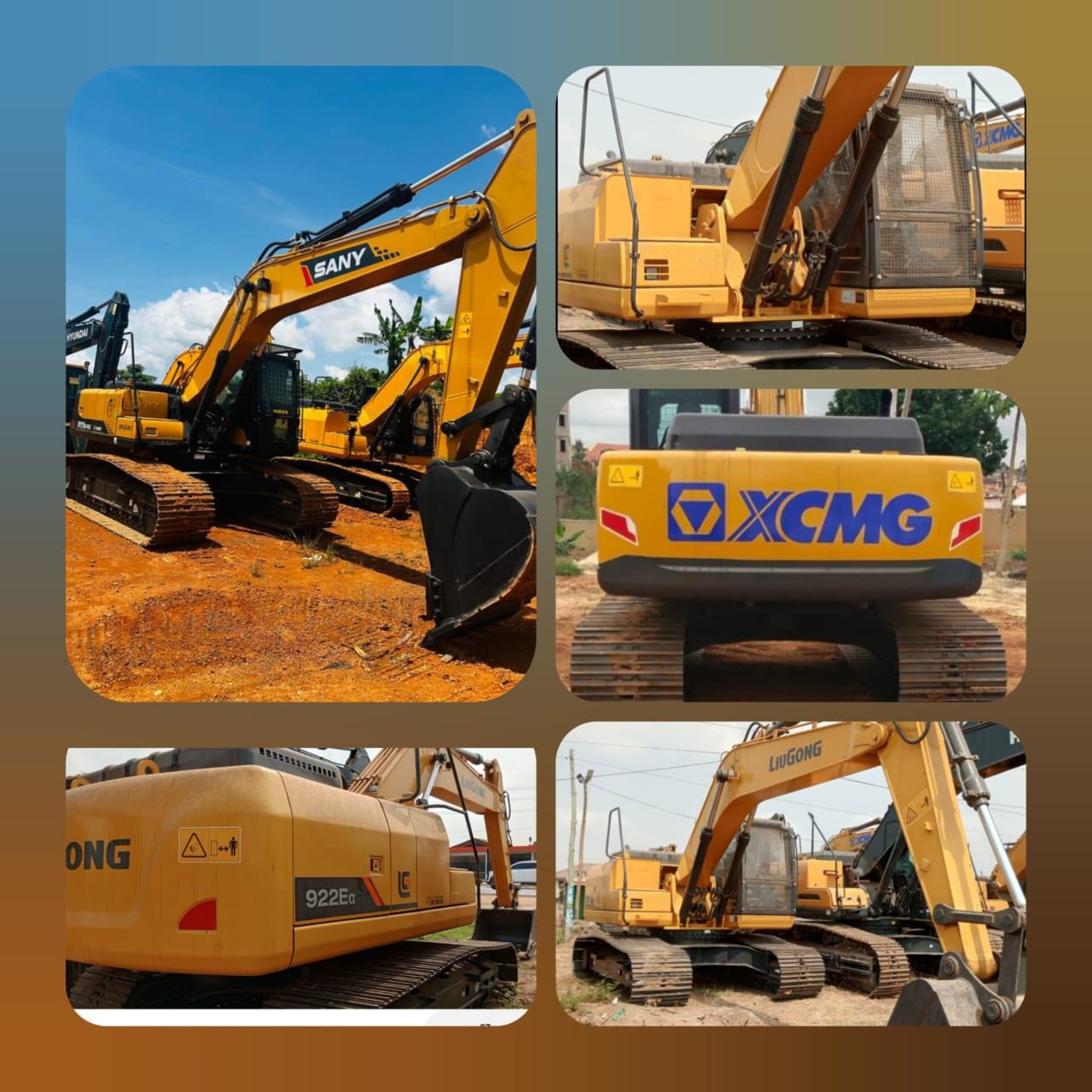
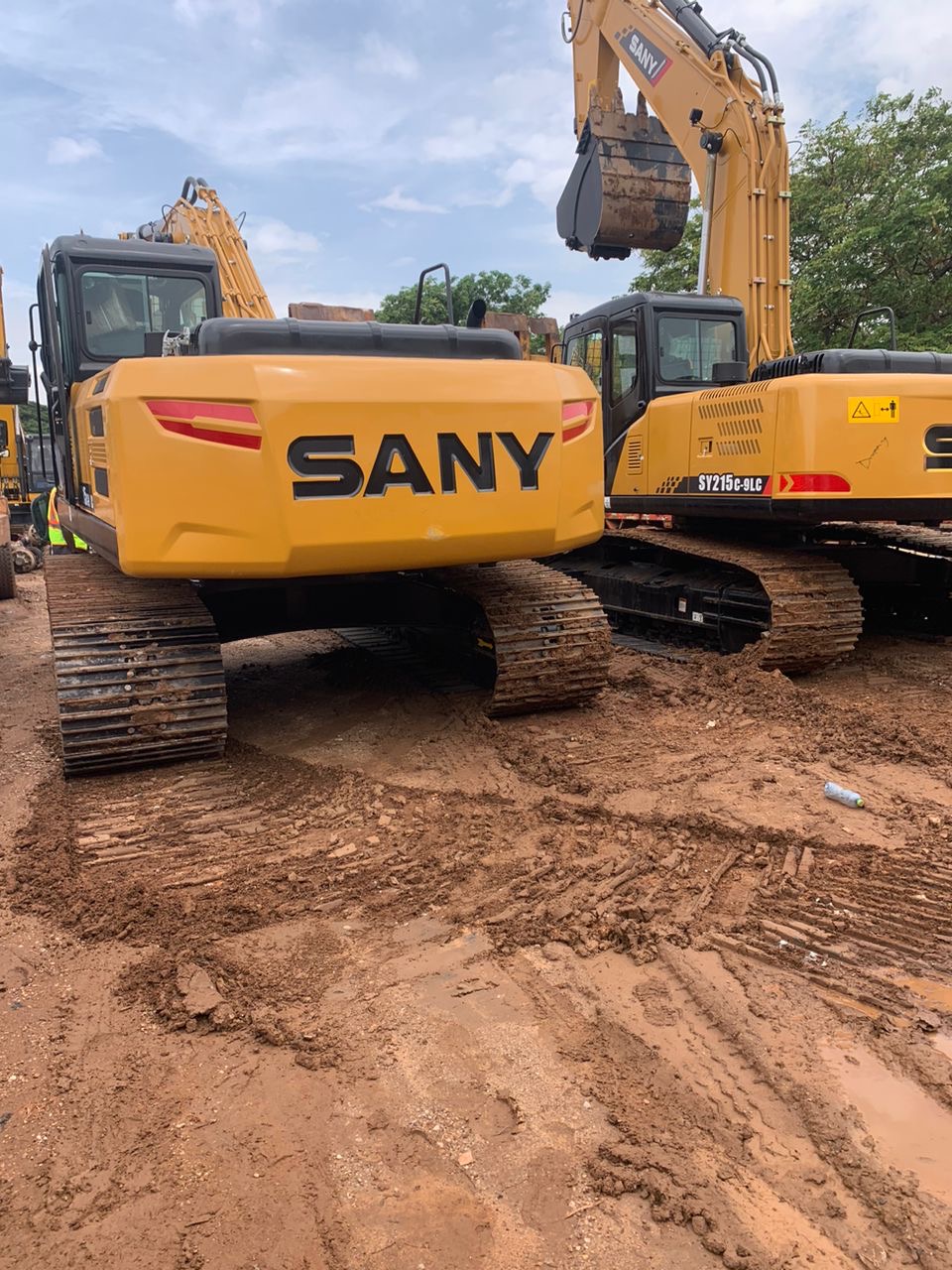
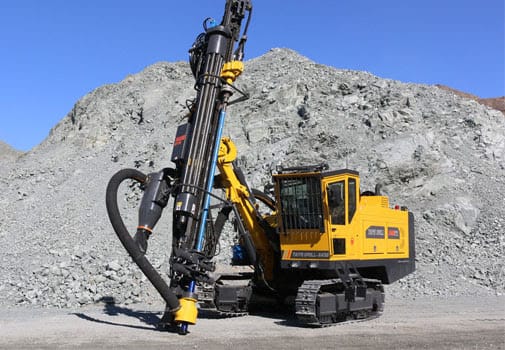
CCTEG Financial Leasing is a well-known Chinese company that rents out coal mine equipment.
Guizhou Churun Machinery Equipment is a leading local provider of “one-stop” mining and tunneling rentals and services.
Kanamoto (China): Offering full rental and contracting services, Kanamoto is a subsidiary of one of the top seven global equipment lessors.
Competitive Dynamics: The coal mine equipment market is moderately concentrated, with the top five Chinese manufacturers holding more than 40% of the market.
⚖️ Regulatory Environment
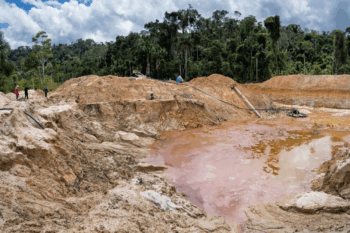
The Legal Risk for Lessors: If rental companies’ equipment is discovered to be used for illicit mining, even unintentionally, it may be seized. This is a crucial regulatory concern. Such infractions are subject to severe penalties under the amended Mineral Resources Law.
Required Compliance Measures: Rental organizations need to take proactive steps to reduce these hazards. This entails confirming the mining licenses and permissions of clients and making sure contracts clearly limit the use of equipment to legitimate uses exclusively.
Green and Sustainable Mandates: As government laws encourage “green mines,” rental companies are being pressured to expand their fleets with more environmentally friendly, low-emission electric and hybrid vehicles.
⚠️ Difficulties & Limitations
The market still has a number of obstacles to overcome despite the optimistic outlook:
Economic Sensitivity: Because the mining sector is cyclical, demand for rental equipment may be directly impacted by any decline or fluctuation in the price of commodities globally.
High financial Costs: Purchasing and maintaining large, technologically advanced fleets requires rental companies to make significant financial commitments, which can be a barrier to entrance.
Regulatory Burden: One major operational risk is navigating the intricate web of national and municipal regulations, particularly the harsh penalties connected to illicit mining.
Market fragmentation: Despite the presence of large players, there are still a lot of smaller, local providers in the market, which puts pressure on prices and results in uneven service quality.
🔮 Prospects
The market is changing from being a straightforward supplier of equipment to an integrated service partner. Value-added services like these will determine the competitive advantage of the future:
Digital and Data-Driven Services: Intelligent dispatching, predictive maintenance, and remote monitoring platforms will be important differentiators.
Flexible and Innovative Leasing: More inventive methods based on real consumption, like “pay-per-ton” or “pay-per-hour,” are probably going to proliferate.
Emphasis on Sustainability: In order to support China’s green mining objective, fleets of electric, hybrid, and low-emission equipment must be expa