
Investing in mining stocks with operations in West Africa is given in this tutorial. Always do your own research or seek professional guidance; this is not financial advice.
- Why is it West Africa? One of the most abundant but little-studied mineral belts in the world is West Africa. The area has substantial amounts of bauxite, iron ore, manganese, diamonds, and lithium in addition to the Birimian Greenstone Belt (gold). Important draws for investors:
Near-surface, high-grade gold deposits with comparatively cheap mining costs.
Positive geology: significant finds are still being produced (e.g., in Côte d’Ivoire, Burkina Faso, Guinea, Mali, Senegal).
enhancing government knowledge of the industry and improving mining regulations (but they are vulnerable to change).
Chinese investments in bauxite and iron ore (Simandou) have contributed to the expansion of infrastructure, including rail, ports, and power.
- Important West African Mining Nations Primary Commodities Risk Profile by CountryImportant Points Ghana Bauxite, Manganese, and GoldThe greatest gold producer in moderate Africa, with a long history of mining and a stable democracy. Mali is the second or third-largest producer of gold in Africa, but there are security risks, growing resource nationalism, and recent military takeovers. Burkina Faso: Exploration and production of gold are very active, but there is political instability and a serious jihadist insurgency. Côte d’Ivoire Diamonds, nickel, manganese, and goldModerate-high Gold producer with the fastest pace of growth; comparatively stable, however there are dangers to regional security in the north. Guinea has the greatest bauxite reserves in the world, a massive iron ore project in Simandou, and political unrest. Senegal Gold, Zircon, Phosphates Growing gold industry, largely open-pit operations, moderately stable democracy. Diamonds, rutile, bauxite, and gold are abundant in Sierra Leone. The country is recovering from a civil conflict and faces operating difficulties. Mauritania’s high iron mix includes gold mines (Tasiast) and a sizable SNIM iron ore firm, although there are security concerns in the Sahara. Liberia has high infrastructure and governance issues, iron ore, and gold.
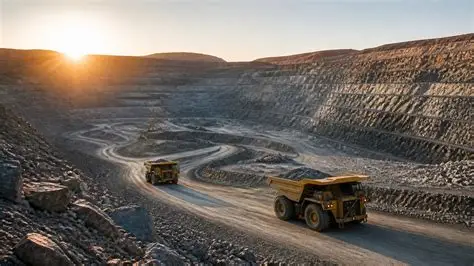
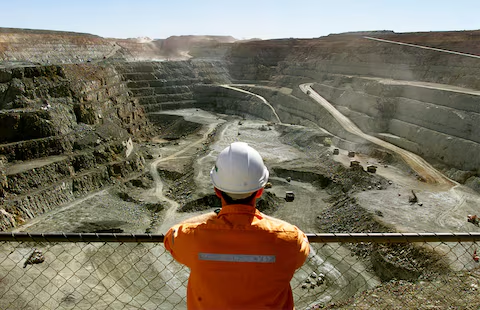
- Key Investment and Commodity Themes Gold dominates the market for mining investments. Businesses range from minor explorers to major producers like Endeavour Mining and Perseus Mining. With all-in sustaining costs (AISC) typically ranging from $900 to $1,300/oz, many deposits are open-pit, heap-leach operations that are quite profitable at the present gold prices.
Aluminum and Bauxite Approximately one-third of the world’s known bauxite reserves are found in Guinea alone. Key participants include Alcoa, Rio Tinto, and Chinese state-owned companies (Chalco, SMB-Winning). There aren’t many pure-play public possibilities; exposure is typically obtained through big diversifieds or Chinese-listed businesses.
Iron Ore Large, high-grade deposits in Mauritania, Sierra Leone, Liberia, and Guinea (Simandou, Nimba). High capital expenditure required; big companies like Rio Tinto, Baowu, and Winning Consortium oversee the majority of projects. Although Simandou (Guinea) is a game-changer, it has a complicated infrastructure, a history of delays, and accusations of corruption.
Rare earths, nickel, and lithium In Ghana, Mali, and Côte d’Ivoire, battery metals are being investigated. Some ASX/TSX-listed explorers are active, but it’s still early.
- Mining Stock Types Senior Producers (Endeavour Mining, Perseus Mining, B2Gold) have a market capitalization of more than $1 billion, numerous mines, sound balance sheets, and potential dividends. (B2Gold uses Fekola to conduct business in Mali and other nations.)
Mid-tier Producers: $300 million to $1 billion in market capitalization, one or two active mines, and expansion initiatives (Resolute Mining, Fortuna Mining, Allied Gold). (Fortuna operates in other countries and has Ségtéla in Côte d’Ivoire.)
Junior producers, sometimes known as near-producers, have a smaller cap, only one mine, are frequently more risky, and stand to gain greatly if they move into commercial production.
Developers and explorers: They make no money and spend it drilling and proving resources. Extremely speculative; funding, permits, and discovery are necessary for success.
- How to Locate and Purchase Mining Stocks in West Africa Principal Exchanges The majority of West African publicly traded businesses are listed on:
The international center for junior and mid-tier miners is the Toronto Stock Exchange (TSX) and TSX Venture Exchange (TSX-V).
Numerous gold miners with a focus on West Africa are listed on the Australian Securities Exchange (ASX) (Perseus Mining, Resolute Mining, Predictive Discovery).
AIM Market/Main Market: Endeavour Mining (LSE/TSX), Condor Gold, Cora Gold, London Stock Exchange (LSE).
New York Stock Exchange (NYSE) – A few larger producers including AngloGold Ashanti (has a Ghanaian operation), IAMGOLD (Burkina Faso interest, now amalgamated).
BRVM is the regional exchange. The eight nations that make up the West African Economic and Monetary Union (WAEMU) are served by the Bourse Réionale des Valeurs Mobilières (BRVM) in Abidjan. There are a few mining businesses listed there, including Endeavour Mining, which is dual-listed on the TSX/LSE and BRVM. Although there may not be much liquidity, some investors with an African emphasis use the BRVM for faster access.
Funds and ETFs Although there aren’t any pure-play ETFs for West African mining, you can get exposure by:
Endeavour and B2Gold are included in the VanEck Gold Miners ETF (GDX).
Smaller producers and developers are included in the VanEck Junior Gold Miners ETF (GDXJ).
Exposure to the niche frontier market with iShares MSCI Frontier and Select EM ETF.
Some mining names may be held by actively managed emerging/frontier Africa funds (such as T. Rowe Price and Investec Africa).
- Principal Dangers of Mining Stocks in West Africa Despite favorable geology, investors frequently give West African miners a “risk discount.” You have to factor in:
6.1 Risk in Politics and Regulation Resource nationalism includes compulsory government equity, increased royalties, and abrupt renegotiations of mining conventions. Recently, Burkina Faso and Mali implemented stricter mining regulations and imprisoned executives.
Coup Risk: Burkina Faso (2022), Guinea (2021), Niger (2023), Mali (2020, 2021). Juntas frequently examine current contracts.
Permit delays and export prohibitions are examples of arbitrary legal framework modifications.
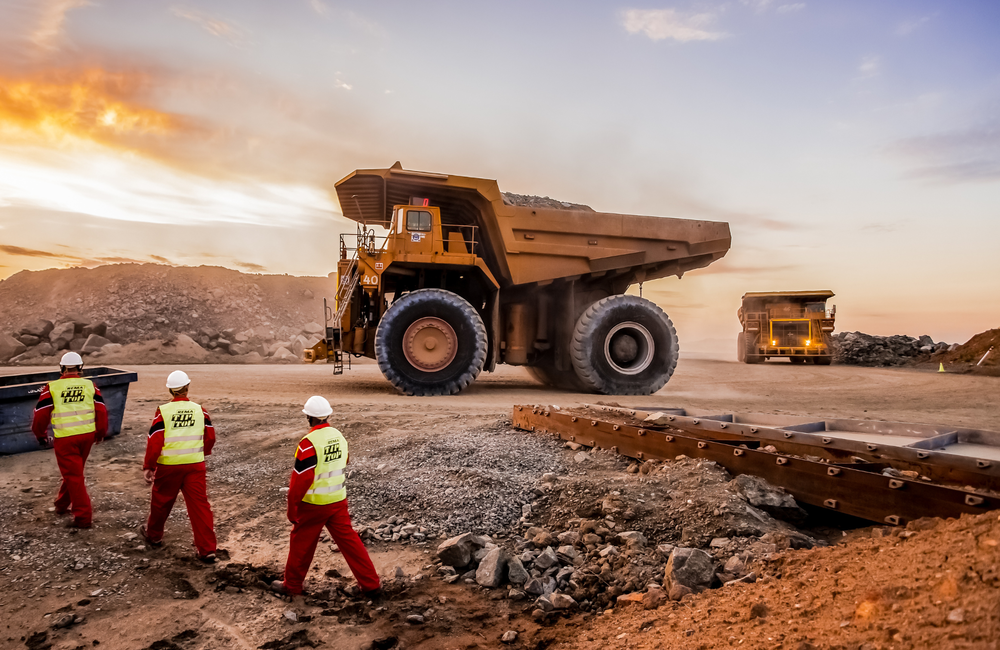
6.2 Geopolitical Risk and Security Jihadist uprisings are expanding from the Sahel to coastal nations (Benin, Ghana, and northern Côte d’Ivoire). This raises security expenses, interferes with supply networks, and in severe situations, results in the shutdown of mines.
Community disputes, illicit mining, and kidnapping.
6.3 Operational and Infrastructure Risk lack of water, bad roads, seasonal rains, and power outages.
lack of skilled workers.
equipment and reagent supply chain delays (explosives, cyanide).
6.4 Fiscal and Financial Risk Currency risk: Non-CFA nations have unstable currencies (Sierra Leonean leone, Ghanaian cedi), while the CFA franc is fixed to the euro.
Profit repatriation and dividend withholding taxes.
Access to capital: Dilutive stock raises are a major source of funding for juniors.
6.5 Community Relations & ESG Violence may result because artisanal mining overlaps with major concessions.
Environmental degradation, mercury usage, and violations of human rights are being scrutinized more and more.
Failures of tailings dams can ruin a company’s market worth and social license.
- Checklist for Due Diligence If you are thinking about a certain mining stock in West Africa, look at:
Jurisdiction: The proportion of NAV in each nation. A gold producer with 100% exposure to Mali is riskier than one that is spread over three or four nations, like Endeavour.
Management Team: Experience with government relations; prior exits; track record of operations in Africa.
Mine Economics: free cash flow yield, reserve grade, mine life, and AISC margin. Seek out inexpensive manufacturers.
Balance sheet: covenant risk, hedging, and net debt. Strong cash and liquidity are essential in a hazardous area.
Social Licence: CSR initiatives, local jobs, and community partnerships.
Security arrangements: incident response history; government versus private security.
Mining Code Stability: Verify whether a stability agreement is in existence and the existing fiscal regime.
Capital Return Policy: Some manufacturers currently engage in buybacks or dividend payments (Perseus, Endeavour).
- Prominent Businesses (for investigation, not suggestions) Business TickerSenior producer Perseus Mining PRU (ASX/TSX) Ghana, Côte d’Ivoire Primary Country Stage Endeavour Mining EDV (LSE/TSX) Côte d’Ivoire, Burkina Faso, Senegal, Malimid-level manufacturer Mali, Senegal Resolute Mining RSG (ASX/LSE)mid-level manufacturer Mali’s Allied Gold AAUC (TSX) Côte d’IvoireMid-tier producer Centamin CEY (LSE/TSX) Egypt (Sukari), but Côte d’Ivoire exploration Mid-tier producer Fortuna Mining FVI (NYSE/TSX) Côte d’Ivoire (Ség‘la mine)mid-level manufacturer Explorer/Developer Predictive Discovery PDI (ASX) Guinea (Bankan gold project) Tietto Minerals (now acquired) in Côte d’Ivoirepurchased by Zhaojin Thor Explorations THX (TSX-V) Junior producer, Nigeria, Senegal Resources in West Africa WAF (ASX) Burkina Faso (Sanbrado, Kiaka)Mid-tier manufacturer (Note: Many businesses have expanded their operations outside of West Africa). Always refer to the most recent geographic breakdown.
- Useful Actions for Individual Investors Get access to the TSX, ASX, LSE, and other major US markets by opening a brokerage account (Interactive Brokers, Charles Schwab, Fidelity International, etc.).
Filter by commodity, location, and stage using screening tools (Koyfin, TradingView, Yahoo Finance, corporate presentations).
Examine quarterly financial statements, at least MD&A, and technical reports (43-101 or JORC).
Reuters, Mining.com, Africa Intelligence, Jeune Afrique, and local Twitter/X analysts are important news sources to keep an eye on.
Keep an eye on jurisdiction risk by setting up alerts for election dates, attempted coups, and militant strikes in mining areas.
Position sizing: Due to the binary hazards, many investors cap senior producers with large single-digit allocations and speculative junior miners at 2–5% of portfolios.
- Long-Term Themes to Keep an Eye on West African gold boom: A structural change as majors move to the Birimian due to depleting reserves elsewhere.
When production of Guinea’s Simandou iron ore begins (probably in 2026 or later), it will change the world’s iron ore supply and increase stocks of related infrastructure (logistics, contractors).
Energy transition metals: If discoveries are made, this might start a new cycle of exploration for rare earths, nickel, copper, and lithium.
Political instability: The junta belt (Burkina Faso, Niger, and Mali) can tighten even further, making Ghana and Côte d’Ivoire seem more appealing in contrast and thereby lowering their risk premiums.
In conclusion High-potential mining exposure is available in West Africa, particularly in gold, but the area necessitates a methodical approach to risk management. Choosing well-capitalized, multi-asset producers or a basket of explorers where the discovery upside offsets increased geopolitical risk is frequently the best investing option. Your mining exposure in West Africa should always be in line with your investment horizon and overall risk tolerance.