
Logistics Market Report for West Africa: 2024–2030 Prospects
- Executive Synopsis
Commodity exports, fast urbanization, regional integration, and large infrastructure investment are driving a period of structural change in the West African logistics business. The market is expected to develop at a compound annual growth rate (CAGR) of 6.2–7.5%, from its estimated USD 28–32 billion in 2023 to USD 45–50 billion by 2030.
The African Continental Free Trade Area (AfCFTA), deep-sea port expansion (Lekki, Abidjan, Tema), improved road routes, and the emergence of digital freight platforms are some of the major growth drivers. Nonetheless, the industry still has to deal with high operating expenses, disjointed regulatory frameworks, border delays, and security threats in the Gulf of Guinea and Sahel.
About 35–40% of the regional logistics sector is accounted for by Nigeria alone, with Ghana, Senegal, and Côte d’Ivoire developing as secondary hubs. While local tech-enabled businesses are quickly gaining ground in last-mile and cross-border trade facilitation, multinational logistics integrators are expanding their reach.
- Overview of the Market
Forecast (2030) Metric Estimate (2023)
Market size (USD bn) 28–32–45–50
CAGR: 6.2–7.5%
Share of freight transportation: 80%+ by road, 15% by maritime, and less than 5% by air and railprogressive transition to multimodal
12–16% of GDP is spent on logistics (Ghana ~12%, Nigeria ~14%).Reduction of targets through corridor efficiency
Growth in e-commerce logistics: ~20% YoYEast Africa comes in second.
The logistics market in West Africa is mostly focused on exports for commodities (crude oil, cocoa, gold, cashew, and bauxite) and significantly dependent on imports for completed goods. Road freight predominates, while air cargo is increasing with perishables and high-value items, and marine still serves as the entry point for international trade. - Important Market Factors
The implementation of the AfCFTA is anticipated to increase intra-African commerce by 30–50% over the next ten years, directly boosting logistics demand through successive tariff reductions and trade facilitation measures.
Port modernization: Lekki in Nigeria, Ndayane in Senegal, and Abidjan’s second container terminal are examples of new deep-sea ports that are easing traffic and handling bigger ships.
Extractives and agriculture: bulk and containerized freight are driven by the robust worldwide demand for crude oil, LNG (Senegal/Mauritania), gold, cocoa, and cashew nuts.
Demographic dividends include a median age of about 19, an annual urbanization rate of more than 4%, and growing networks for the distribution of consumer products.
Transit times are being shortened by infrastructure corridors, which are international road and rail projects like the Dakar-Bamako rail restoration, the Abidjan-Lagos Corridor, and the Trans-Saharan Highway.
- Difficulties & Limitations
Logistics costs are increased by border congestion and non-tariff barriers, such as several checkpoints, irregular customs processes, and typical crossing delays of two to five days.
Only around 20% of ECOWAS’s roads are paved, and seasonal flooding interferes with vital supply systems.
Port dwell times: Despite advancements, dwell periods at large ports (Lagos, Tema) still exceed 10–15 days, in part because of off-dock capacity limitations and manual documentation.
Insurance premiums and interruption risk are increased by security issues, such as kidnapping in sections of Nigeria, piracy in the Gulf of Guinea, and jihadist insurgencies in the Sahel.
High energy and fuel expenses: diesel prices are still erratic, and warehouses’ reliance on generator power raises operating costs by 15% to 25%.
Multiple trade paperwork, inconsistent axle-load limitations, and different transit fees are examples of regulatory fragmentation (however e-cargo monitoring projects are increasing compliance).
- Modal Analysis & Logistics Infrastructure
5.1 Maritime & Ports
With an annual growth rate of 5–8%, West Africa’s container throughput is approximately 8–10 million TEU.
Operating since early 2023, Lekki Deep Sea Port (Nigeria) was built to handle 2.7 million TEU a year, relieving pressure on the ports of Apapa and Tin Can Island.
Launched in 2022, the Abidjan Second Container Terminal (Côte d’Ivoire) adds 1.2 million TEU of capacity.
Tema Port Expansion (Ghana): Although the new MPS terminal has increased capacity to 3.5 million TEU, communication problems in the hinterland persist.
Phase 1 of the DP World project, Ndayane Port (Senegal), is anticipated by 2027 and has a capacity of 1.2 million TEU. It is located 50 kilometers south of Dakar.
Concession trends: Large terminal concessions are controlled by big operators (APM Terminals, Bolloré/AGL, DP World, MSC/CMA CGM), which raises worries about market concentration as well as modernization.
5.2 Surface and Road Transportation
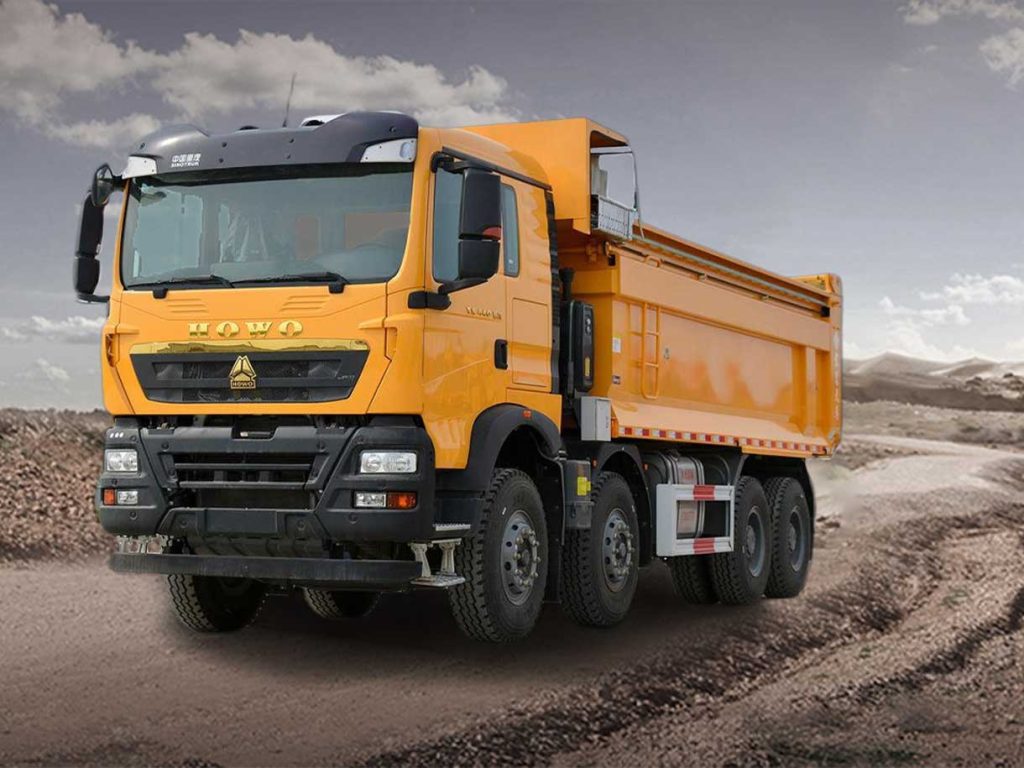
More than 80% of regional freight is transported by road. The Dakar–Lagos Corridor and the Trans–West African Coastal Highway (Lagos–Nouakchott) are vital, but many of its sections are still unpaved or badly maintained.
The estimated 150,000+ commercial trucks in Nigeria’s fleet have an average age of more than 15 years, which leads to significant fuel consumption and failures.
On important routes, empty running has decreased from 40% to less than 25% thanks to digital freight matching services like Kobo360, Trella, and Amitruck.
Lack of cheap finance and import limitations on used cars limit cross-border fleet modernization.
5.3 Rail Systems
Although it is still underdeveloped, rail is receiving more funding:
Rehabilitated under a PPP, the Abidjan–Ouagadougou Railway (Côte d’Ivoire/Burkina Faso) is essential to the imports and exports of landlocked Burkina Faso.
Nigeria’s Lagos–Ibadan Standard Gauge Railway has been carrying freight since 2021; an extension to Kano is currently being built, offering a potential mode shift.
Concessioned to a private operator, the Dakar-Bamako Line is undergoing repair with an annual goal of 800,000 tonnes of freight.
The long-term ECOWAS goal of connecting Abidjan, Ouagadougou, Niamey, Cotonou, and the Gulf of Guinea is the West African Rail Loop; however, financial gaps still exist.
5.4 Air Transport
Murtala Muhammed (Lagos), Kotoka (Accra), Blaise Diagne (Dakar), and Félix Houphouët-Boigny (Abidjan) are important hubs.

Cargo volumes are increasing by 5–10% a year due to e-commerce and perishable exports (fruits, flowers, and seafood).
While DHL Aviation, Ethiopian Cargo, and Cargolux are growing their routes, there are still few cold-chain processing facilities outside of large airports.
5.5 Cold Chain & Storage
FMCG, pharmaceuticals, and e-commerce are driving the 10% annual growth in demand for modern warehousing stock, which is anticipated to be between 1.5 and 2.0 million m² across key cities.
There is an estimated 1-2 million pallet slots in the region where cold storage capacity is still considerably below demand.
In Lagos, Tema, and Dakar SEZs, Agility, MSC/Medlog, and regional developers (such as Bora Africa and Northstar) are constructing grade-A facilities.
- Analysis of Countries
The role of country logisticsImportant advancements Bottlenecks
Nigeria’s largest market, Lekki Port, Lagos-Ibadan rail, and e-customs (NICIS II) are important import hubs.Port traffic, currency shortages, and northern security
Ghana’s gateway for the landlocked Sahel (Burkina, Mali, and Niger) Boankra Inland Port, Tema Port expansion, paperless port system, high transit costs, and truck park delays
Ivoire’s CôteAbidjan Terminal 2, the region’s second-largest port complex, a contemporary road system, and industrial zonesPerception of political danger and limitations on rail capacity
MSGBC gas projects, Dakar-Bamako rail, and Ndayane Port are emerging energy logistics hubs in Senegal.Dependency on transit trade and a smaller domestic market
Togo and BeninImprovements to the Cinkassé border and transit routes to the northern states of Nigeria and the Niger/Burkina Lome port hub (deep draft)Mali, Burkina Faso, and Niger are landlocked and dependent on transit lanes due to congestion caused by Nigerian import diversion and smuggling; road freight is hampered by security issues; rail is essential; border closures, insecurity, and the impact of sanctions - Regional Integration & Trade
Although there is inconsistent implementation, ECOWAS is pushing for a unified customs declaration and a common external tariff.
Ghana, Côte d’Ivoire, and Nigeria are actively involved in the AfCFTA Guided Trade Initiative, which has started moving commodities under preferential terms.
Although locally produced items can travel duty-free under the ECOWAS Trade Liberalization Scheme (ETLS), rules of origin are frequently disputed.
International freight is still dominated by trade with China and the EU; yearly container volumes between China and West Africa surpass 4 million TEU.
- The Competitive Environment
International Integrators
Strong in the automotive, life sciences, and oil and gas industries, DHL Supply Chain & Global Forwarding is growing its warehouse presence in Ghana and Nigeria.
After being acquired by MSC in 2022, Bolloré Africa Logistics (now AGL-MSC) changed its name to reflect its historical port and rail concessions.
Maersk invests in cold chain and inland container depots and integrates logistics through APM Terminals, Maersk Line, and warehousing.
Growing in contract logistics, CMA CGM/CEVA Logistics recently constructed a multi-user facility in Tema.
DP World, a terminal operator in Dakar, is growing into digital corridors and logistics parks.
Local and Regional Players
Kobo360 (Nigeria) is a digital freight platform that links truck owners and shippers; it has over 20,000 trucks and is growing into financial services.
Last-mile delivery startups that concentrate on urban e-commerce include Errand360, Kwik, and Fez Delivery.
Traditional Nigerian and Ghanaian courier and LTL services with cross-border networks are provided by GIG Logistics and ABC Transport.
Amas Holding is a road transport, warehouse, and marine agency company based in Côte d’Ivoire.
Competitive dynamics: Asset-light tech platforms are gaining market share from asset-heavy operators; multinationals are partnering with regional fintechs to fill trade-finance and payment shortages.
- Trends in Technology and Digitalization
Single Window & Paperless Trade: Guichet Unique in Côte d’Ivoire, UNIPASS in Ghana, and NICIS II in Nigeria have reduced customs processing times from days to hours.
Mandatory electronic tracking systems (ECTN, BSC) and Cargo Tracking Notes (CTN) reduce fraud but increase compliance expenses.
IoT and telematics: real-time fleet tracking through firms like Araya (Ghana) and Synergy (Nigeria) enhances visibility and lowers cargo theft.
E-commerce logistics platforms: Sendstack, Fez, and Jumia’s logistics division are constructing middle-mile networks that connect urban centers to rural distribution locations.
Blockchain pilot programs are utilized for verification of origin under AfCFTA preferential trade and cocoa traceability (Côte d’Ivoire, Ghana).
Fintech integration: Working-capital loans against digital waybills and rapid driver payments are made possible by Paystack, Flutterwave, and MFS Africa.
- Prospects for Investment
Cold chain and agro-logistics: Investments in packhouses, cold storage, and refrigerated transport along the Lagos–Accra–Abidjan corridor have a good return on investment; post-harvest losses for perishables reach 30%.
Boankra (Ghana), Kaduna (Nigeria), and Ouangolodougou (Côte d’Ivoire) are examples of inland dry ports and logistics parks that provide PPP chances to relieve seaport congestion and assist landlocked neighbors.
Rail freight concessions: Opportunities for rolling stock leasing and integrated terminal management are available, and governments are looking for private operators for recently renovated routes.
Digital commerce corridors: Given the low base in the area, startups providing document digitalization, cargo insurance, and automated customs brokerage can grow quickly.
Gas logistics for the MSGBC basin: Crew-change hubs, offshore supply bases, and specialized logistics will be needed for Senegal’s Sangomar field and the Greater Tortue Ahmeyim LNG project.
Last-mile EV fleets: Electric two-wheeler and three-wheeler pilot projects are growing, and governments in Senegal, Ghana, and Rwanda provide incentives that might be repeated.
- Prospects and Outlook for the Future (2024–2030)
The region’s GDP is expected to rise by 3.5–4.5% annually, with Senegal, Nigeria, and Côte d’Ivoire excelling.
If corridor delays are cut in half, intra-ECOWAS trade volumes might treble; the World Bank projects a $5–8 billion logistics cost savings opportunity.
Due to regional demand and port growth, container port volumes are predicted to surpass 15 million TEU by 2030.
Due to financial shortfalls, the modal shift from road to rail will remain restricted (less than 5% of freight), but key corridors (Lagos–Kano, Abidjan–Ouaga) will draw substantial traffic.
Investments in climate resilience will rise as supply chains are disrupted by floods in the Niger Delta and deserts in the Sahel; green warehousing and alternative fuels will be adopted early.
Commodity price volatility, political instability (such as coups in the Sahel), exchange-rate illiquidity (such as the Ghanaian cedi and Nigerian naira), and growing global protectionism are risk factors that could slow progress.
- Conclusion
The logistics industry in West Africa is at a turning point. The combination of port modernization, digital innovation, regional integration, and an entrepreneurial logistics ecosystem is speeding transformation, even if the region still faces long-standing infrastructure and regulatory issues. Businesses who establish robust, compliance-driven local alliances and make early investments in multimodal networks, cold chain expertise, and digital trade facilitation will be well-positioned to take a disproportionate share of the region’s growth over the next ten years.