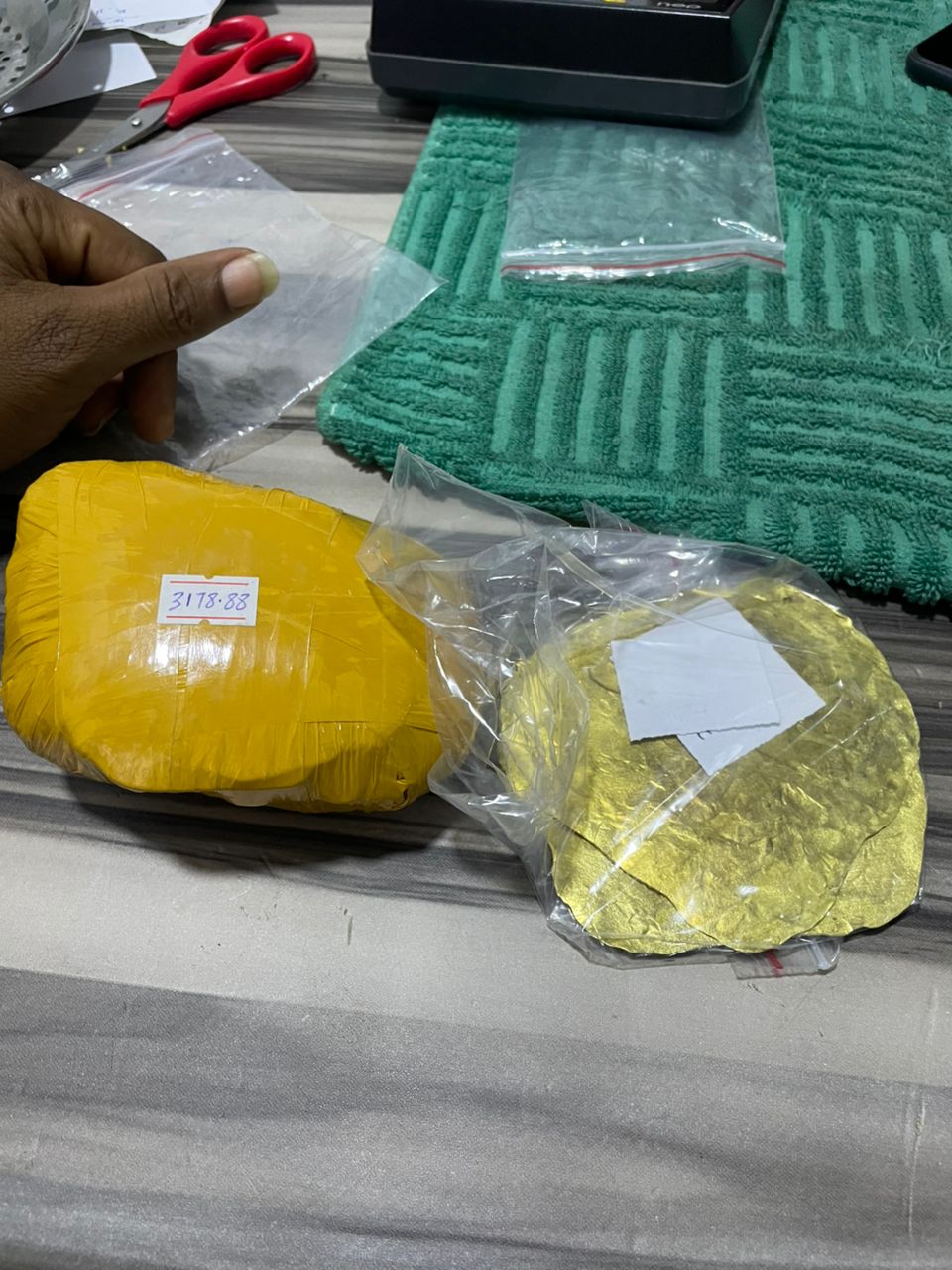

India and China, the world’s two largest gold-consuming markets, are showing sharply different physical gold demand trends. While Indian buyers are stepping back because of volatile prices, China’s central bank continues to accumulate gold reserves at a steady pace.
India: Discounts Widen to $19 per Ounce Indian bullion dealers are offering discounts of up to $19 per ounce below official domestic prices (inclusive of import and sales taxes), a significant shift from the previous week’s market, which ranged from premiums of $5 to discounts of $7.
Key reasons include:
Price volatility has made consumers reluctant to buy.
Many buyers are waiting for lower prices before making purchases.
Retail demand has slowed, with much of the market focused on exchanging old jewellery for new rather than outright purchases.
As a result, jewellers have reduced inventory replenishment from banks.
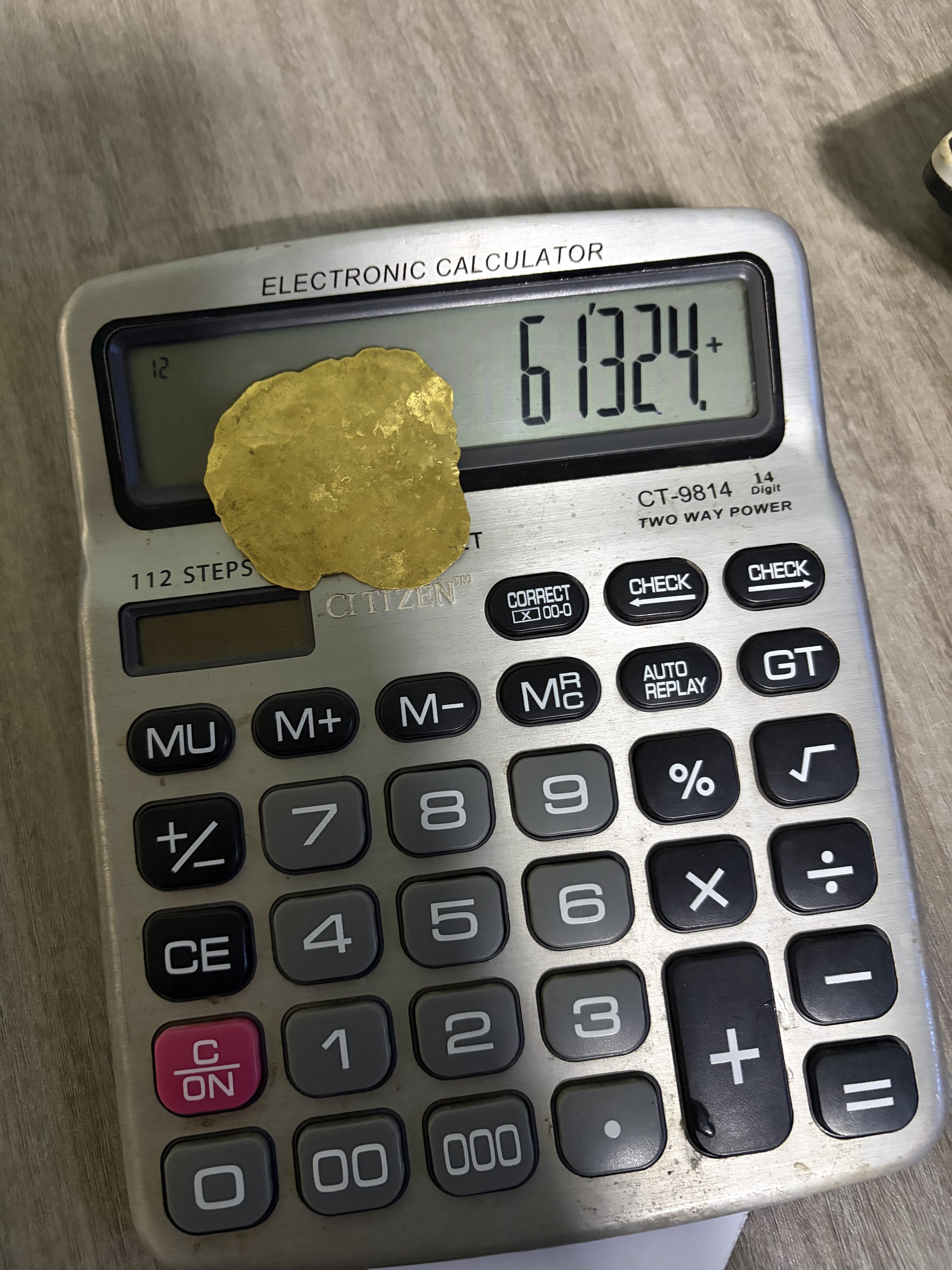
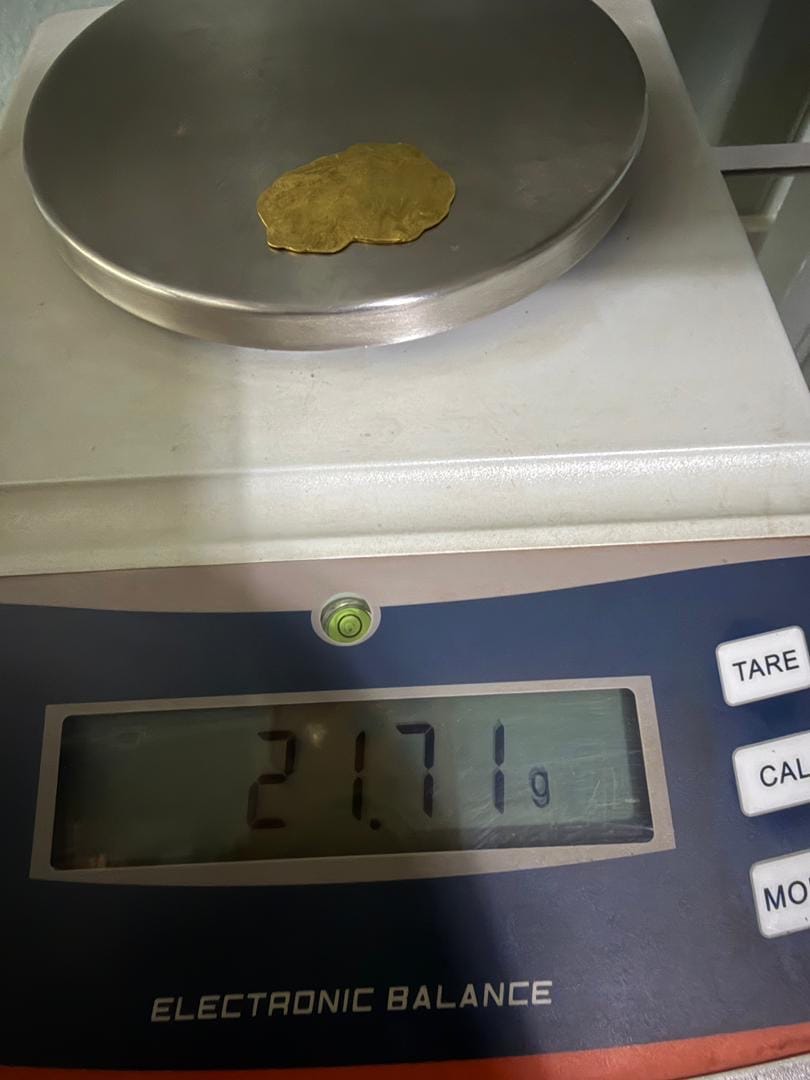

China: Central Bank Buying Extends to 20 Months In contrast, the People’s Bank of China added approximately 480,000 ounces of gold in June, extending its uninterrupted buying streak to 20 consecutive months.
China’s official gold reserves have increased to approximately 75.44 million ounces, with analysts suggesting that continued central bank purchases are helping stabilize domestic gold prices despite softer private-sector demand.
Chinese physical gold traded between a $1 discount and a $5 premium over the international spot price, indicating a considerably firmer market than India’s.
Regional Market Snapshot Other Asian markets remained relatively balanced:
Hong Kong: From a $1 discount to a $1.70 premium, supported by the launch of a new central gold clearing system and renewed dollar-denominated gold futures trading.
Singapore: $1 discount to $2 premium.
Japan: Around a $0.40 discount.
What It Means for Investors The contrasting trends highlight two distinct sources of gold demand:
India: Retail demand remains highly price-sensitive, with elevated discounts signaling weak near-term physical consumption.
China: Persistent official-sector purchases continue to underpin demand and provide support to the broader gold market.
Global gold prices: Continued central bank buying—particularly from China—may help offset weaker consumer demand in markets like India, reinforcing the role of sovereign purchases as a key driver of the gold market in 2026.