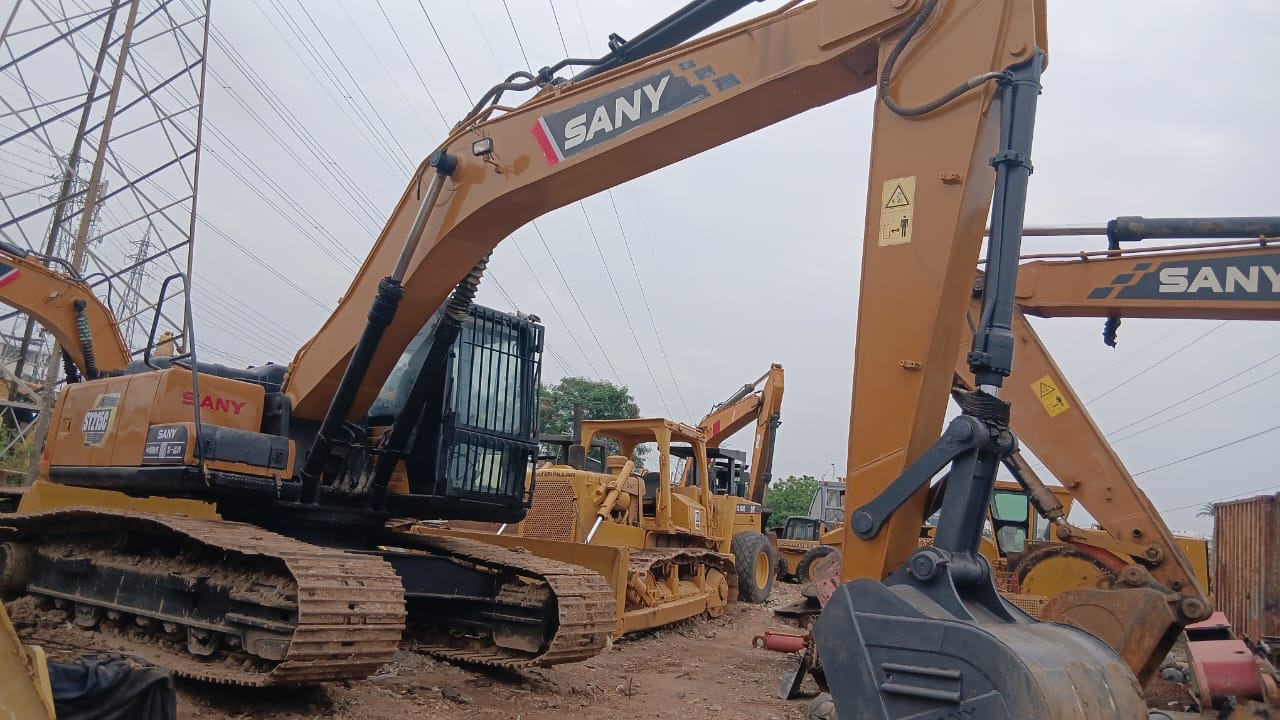

The Indian heavy equipment leasing and rental business has matured into a crucial pillar of the country’s infrastructure and industrial growth. As of mid-2026, it remains one of the fastest-growing categories in the construction and mining equipment ecosystem, driven by substantial government capital expenditure, a trend away from outright ownership, and the rapid formalization of rental activities.
- Market Size & Growth Trajectory While official 2026 statistics are still being gathered, the most recent full-year estimates (FY2024–25) set India’s heavy equipment rental and operational lease market at roughly USD 2.0–2.3 billion, with a compound annual growth rate (CAGR) of 9–12% predicted until 2030.
The limited construction equipment rental industry alone was worth around USD 1.2–1.4 billion in 2024 and is expected to reach USD 2.5 billion by 2030.
When you include mining, material handling, and crane leasing, the overall potential market rises dramatically, possibly exceeding USD 4 billion by 2030 if current infrastructure expenditure trends continue.
- Important Growth Factors Unprecedented Infrastructure Push: The National Infrastructure Pipeline (NIP), now merged into a rolling capex plan, plus PM Gati Shakti and the concentration on highways, railways, airports, and urban metro projects, is keeping equipment demand elevated. Central government spending has expanded at over 20% year-on-year in recent budgets, directly benefiting equipment utilization.
Preference for Leasing over Ownership: Small and mid-sized contractors now avoid big capital outlays. Operating leases and short-term rents allow them flexibility, conserve operating capital, and sidestep residual value risks.
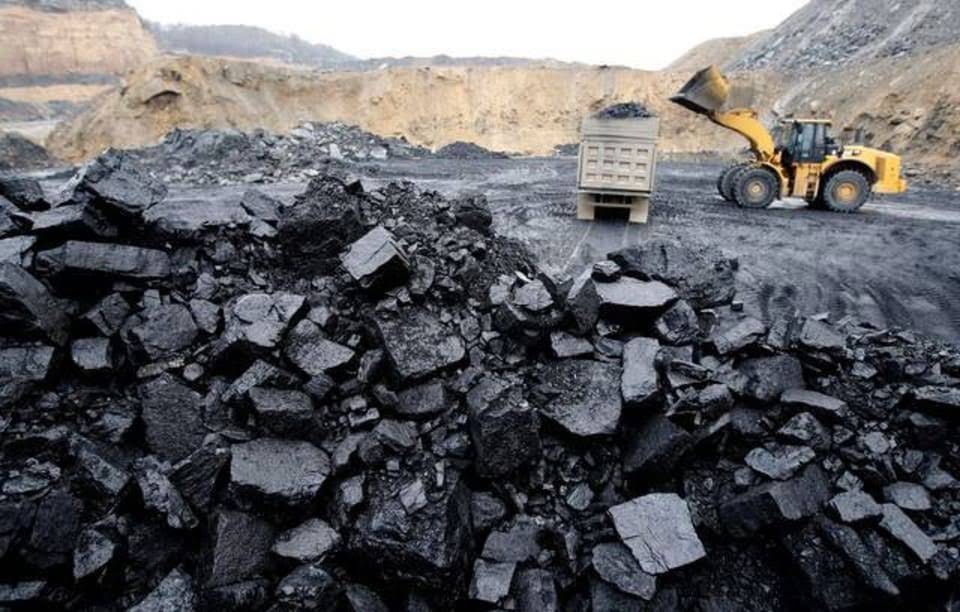
Mining Sector Reforms: The opening of commercial coal mining and a push for higher domestic mineral output have spurred demand for huge excavators, dumpers, and dozers on long-term rental.
Real Estate & Housing Revival: Sustained activity in affordable housing, warehouses, and data centres keeps backhoe loaders, telehandlers, and concrete equipment in rotation.
Technology-Enabled Frictionless Rental: Digital markets, telematics, and IoT-based fleet management decrease idle time and enable transparent pay-per-use pricing, making rentals more efficient and scalable.
- Market Segmentation By Equipment Type (rental share):
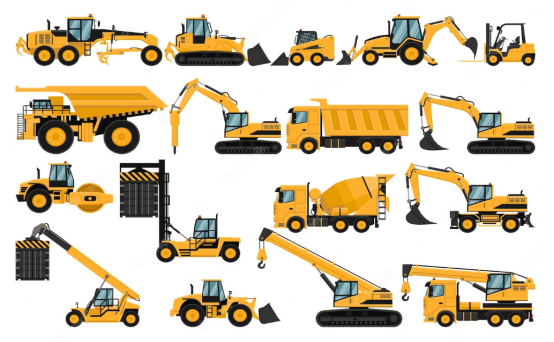
Earthmoving equipment (excavators, backhoe loaders, skid-steer loaders, motor graders) retains the greatest proportion, often 55–60%.
Material handling & cranes (mobile cranes, tower cranes, crawler cranes, forklifts) account for 20–25%.
Concrete machinery (batching plants, transport mixers, concrete pumps) ~10%.
Road construction equipment (pavers, compactors, asphalt plants) ~5–10%, expanding rapidly with the highway push.
By Industry of End-User:
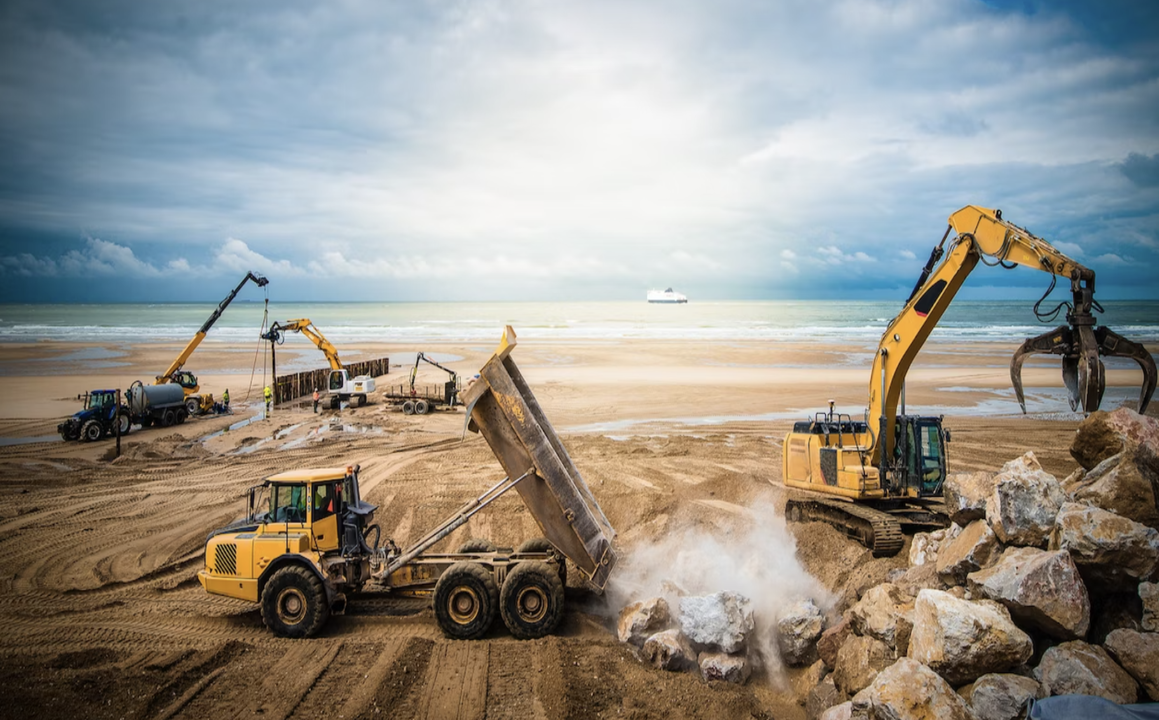
Infrastructure & construction (roads, bridges, metro) – dominating segment.
Mining & quarrying — high-value, long-duration contracts.
Oil & gas, power, and industrial plants – specialist equipment for periodic rental.
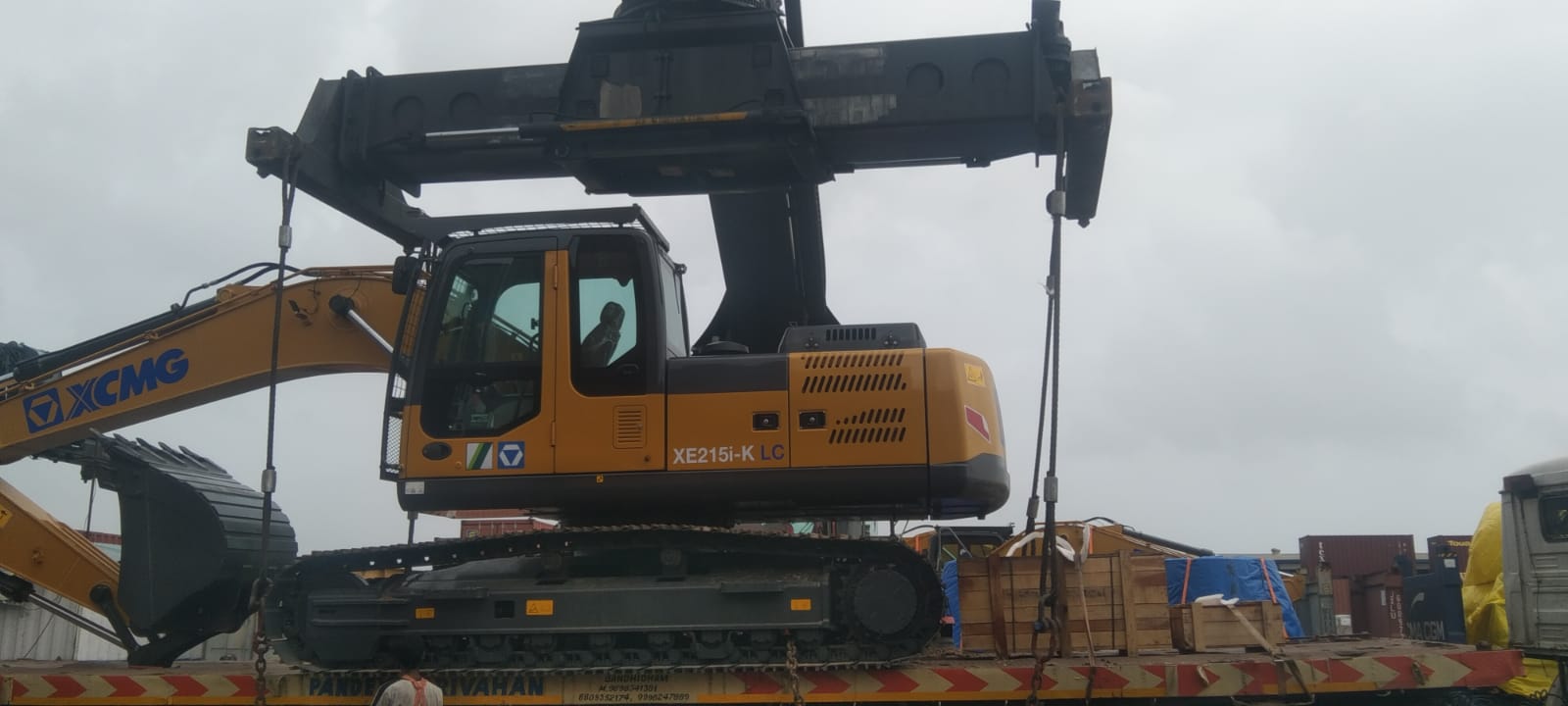
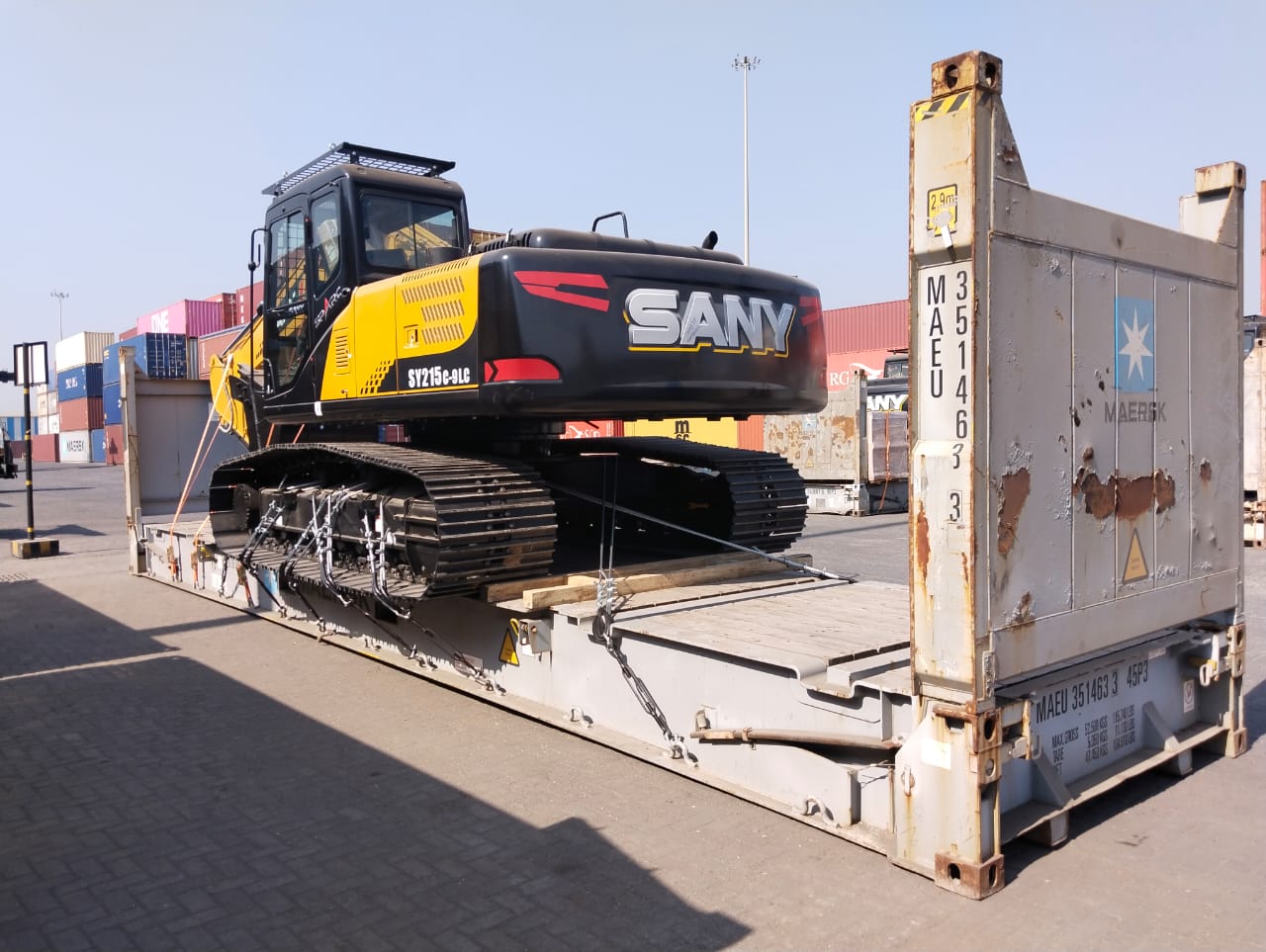
Railways & metro – increasingly leasing tunnel boring machinery and big lifts.
By Rental/Leasing Model:
Short-term rental (daily/weekly/monthly): Most frequent for small and mid-sized contractors; extremely fragmented market.
Operating lease (12–60 months): Growing, notably for premium equipment backed by NBFCs or captive financiers.
Finance lease/hire-purchase: Still important, but increasingly coupled with maintenance contracts to imitate “rental plus service” options.
- The Competitive Environment The market is severely fragmented at the small end but is increasingly consolidating at the organised level.
Equipment OEM captives: Tata Hitachi, L&T Construction Equipment, JCB India, Volvo CE, Komatsu, and Caterpillar (via dealers) all operate dedicated rental arms or licensed rental partners, delivering well-maintained, low-hour machinery.
Large dedicated rental companies: Quippo (restructured post its parent Srei’s insolvency), Rentalpha, and specialised crane rental businesses like Sanghvi Movers are prominent. Several worldwide firms (e.g., Byrne Equipment Rental, Aggreko for power equipment) have niche presences.
Digital/aggregator platforms: Startups and platforms such as Infra.Market’s equipment vertical, Blitz, Kretto, and GetRent are delivering price transparency and utilisation data to the unorganised area.
NBFCs as leasing enablers: Cholamandalam Investment & Finance, Sundaram Finance, Tata Capital, and Shriram Transport Finance are significant financiers that create operational and finance leases for equipment buyers who then sub-rent assets.
Regional unorganised players: Thousands of tiny rental yards, notably in Tier-2/3 cities, manage a large volume, however they often deal with low utilisation and limited access to formal credit.
- Challenges High Equipment Idle Time: Despite improved project pipeline, seasonal demand, regulatory delays in project clearances, and monsoon can drive utilisation below break-even for small rental firms.
Capital-Intensive & Asset-Heavy: Purchasing a fleet for rental needs large pockets, and NBFC caution post the Srei default has limited lending for smaller businesses.
Skilled Operator Shortage: A continuous deficit in skilled operators for advanced machinery pushes up rental costs and safety risks.
Emission Norm Transition: The shift to CEV Stage V (TREM V) emission requirements increases equipment prices. Older machinery may meet restrictions in specific cities/NCR zones, prompting fleet updates.
Fragmentation & Lack of Standardisation: Contract terms, maintenance obligations, and insurance procedures vary greatly, leading to disputes and under-utilisation.
GST & Tax Complexity: Interstate movement of equipment and input tax credit problems might generate compliance friction for pan-India rental firms.
- Emerging Trends (2025–2026 and Beyond) Digital Fleet Management: GPS tracking, geo-fencing, fuel sensors, and remote diagnostics are becoming common offerings to optimize uptime and avoid misuse.
Green & Electric Equipment: Pilot-scale rentals of electric excavators, loaders, and hybrid cranes have started, especially for projects with ESG mandates. Government contracts are beginning to push for low-emission choices.
Pay-by-Use & Outcome-Based Contracts: Some large infrastructure corporations now pay by cubic meter of soil moved or by tonne lifted, moving productivity risk to the rental supplier.
Rise of Regional Hubs: Rental businesses are establishing up satellite depots near large projects (e.g., Delhi-Mumbai Expressway, Noida Airport, Bengaluru Suburban Rail) to assure timely availability and lowered transportation expenses.
Consolidation & PE Interest: Private equity and infrastructure funds are considering buy-and-build tactics in the organised rental segment, drawn by the annuity-like cash flows from long-term government contracts.
- Outlook to 2030 The India heavy equipment rental and leasing market is primed for a fundamental resurgence. Annual infrastructure spending is likely to stay over USD 200 billion, the mining sector is liberalising more, and the “asset-light” concept is already firmly established across the building value chain. By 2030, the organised rental industry alone might approach USD 3.5–4.0 billion, with overall penetration of rental (vs ownership) growing from roughly 8–10% now to 15–18%—still considerably behind developed economies (40–50%), indicating a considerable runway for expansion.