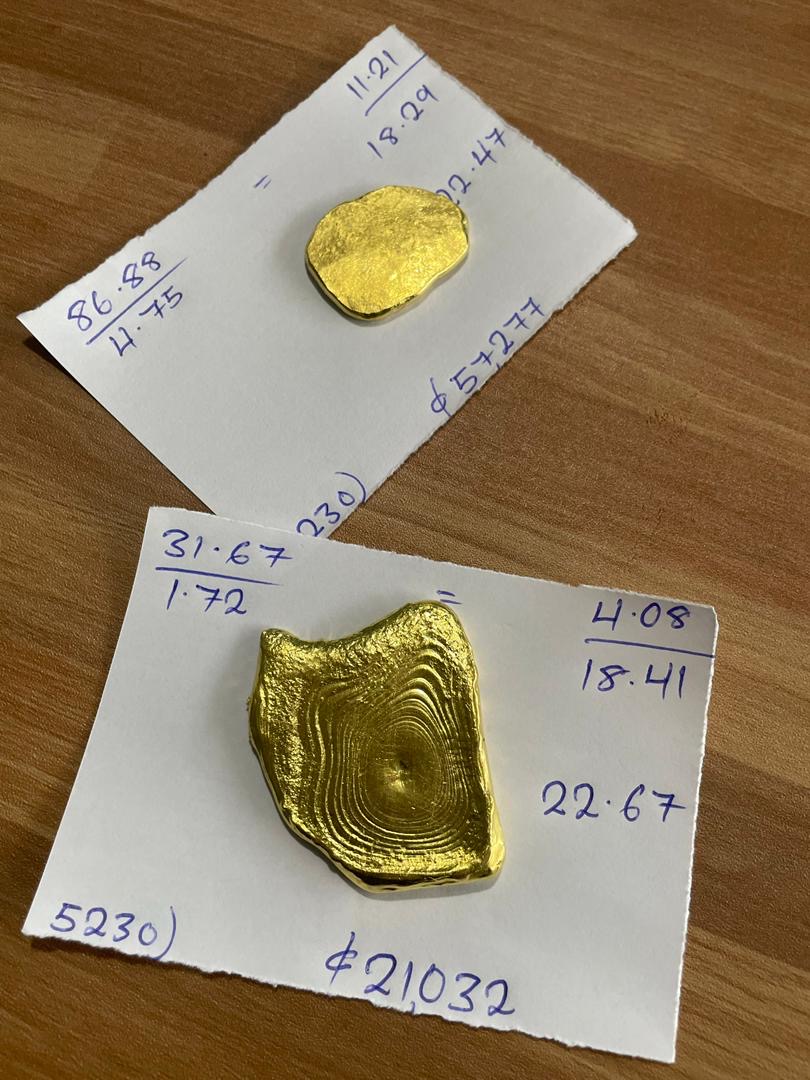

Global gold investment is heavily regulated, primarily because gold is legally classified as a commodity, not a security. This places its regulation under the purview of specialized agencies like the U.S. Commodity Futures Trading Commission (CFTC) for derivatives or international bodies like the World Gold Council.
🛡️ Key Regulated Channels for Gold Investment To ensure safety and compliance, investors are advised to use regulated gold products that operate under strict oversight, offering transparency, liquidity, and protection mechanisms.
Investment Type / Channel Key Regulator Key Protections for Investors Gold ETFs & Mutual Funds SEBI (India), SEC (US), FCA (UK), etc. Transparent pricing, liquidity, and regulated redemption processes. Backed by physical gold in audited vaults. Electronic Gold Receipts (EGRs) SEBI (India) Recognized as securities, traded on stock exchanges, providing a regulated digital alternative to physical gold. Gold Futures & Options CFTC (US), SEBI (India) Standardized contracts, central clearing to minimize counterparty risk, and market surveillance against manipulation. Physical Gold (Bars & Coins) IRS (US), HMRC (UK), etc. Tax-advantaged treatments in recognized accounts (e.g., Gold IRA) and legal tender protections. ⚠️ Major Regulatory Risks and Red Flags One of the most significant regulatory risks for gold investors arises from unregulated products. Be aware of the following:
Digital Gold: Platforms offering fractional ownership of gold, if not SEBI-regulated, lack investor protection and may have counter-party risks.
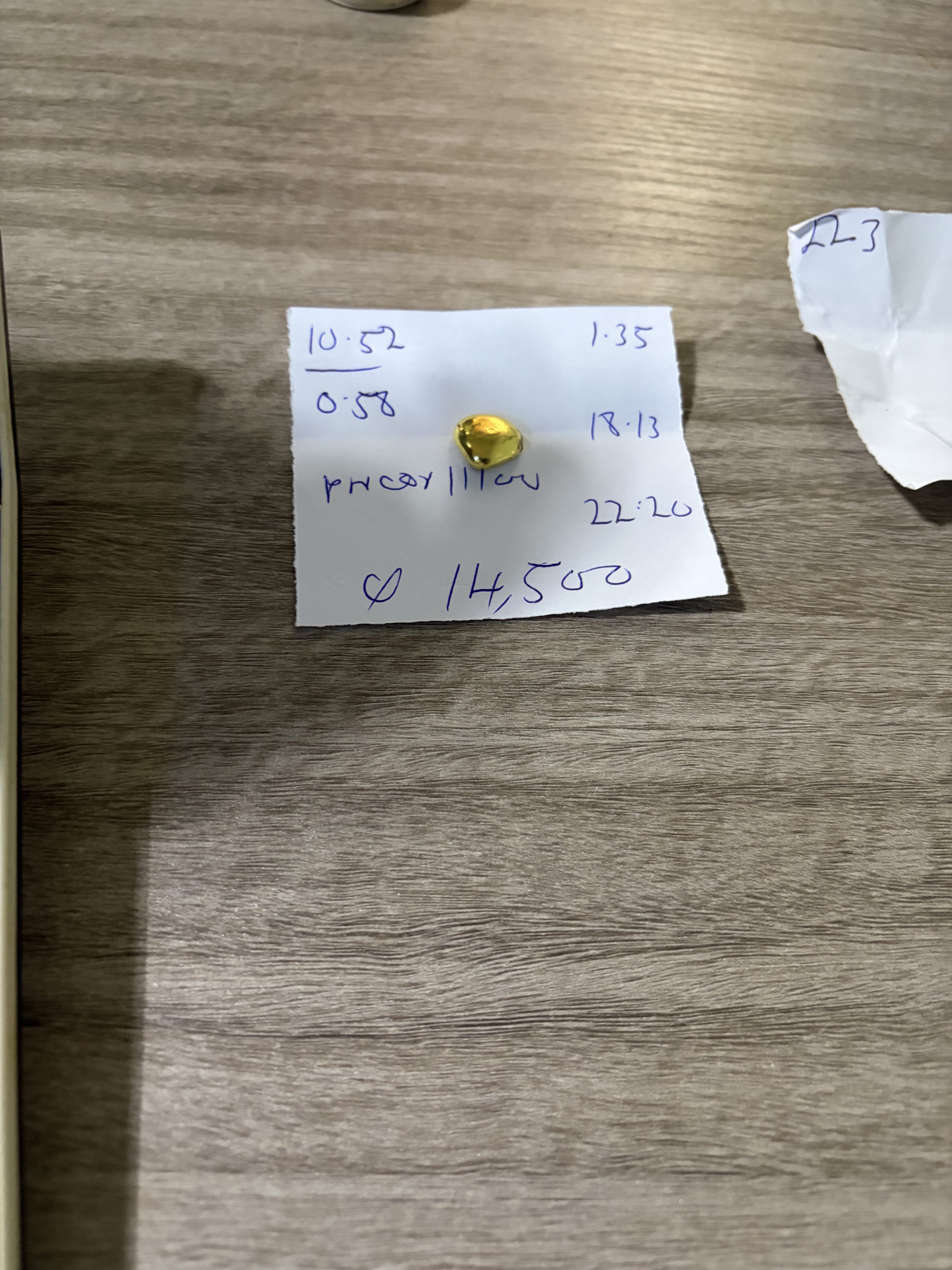



Unlicensed Dealers: Dealing with dealers who are not registered with the appropriate authorities can lead to fraud or dispute resolution issues.
Use as Payment: Using gold as a method of payment is restricted or illegal in many jurisdictions.
Ignoring AML/KYC: Failing to comply with identity verification and transaction monitoring can lead to frozen assets and penalties.
📊 Summary: A Snapshot of Key Regulations by Jurisdiction Regulations vary significantly by country. The table below shows a few illustrative examples for different types of investors:
Jurisdiction / Product Key Regulation / Change Effective Date Primary Impact on Investors India (SEBI) Equity Mutual Funds can invest up to 10% (recently 35%) of assets in Gold/Silver ETFs Late Feb 2026 Allows more institutional money to flow into gold, potentially increasing liquidity and demand. India (RBI) Banks restricted from granting new loans for buying gold in any form October 1, 2025 Makes it harder for investors to leverage (borrow money to buy) gold. Thailand New transaction reporting requirements for online gold trading platforms to the Bank of Thailand and Revenue Department January 27, 2026 Increases market transparency; could lead to small fee increases for individual investors. Vietnam Gold bullion trading restricted to licensed credit institutions/enterprises; using gold as payment is prohibited February 9, 2026 Shifts investors towards regulated channels for safety, away from unlicensed dealers. U.S. (IRS) Precious metals in a Gold IRA must be held at an approved depository, not at home Continuously enforced Ensures proper tax reporting and asset tracking within retirement accounts. 💎 Practical Takeaways for the Gold Investor To navigate this regulatory landscape effectively, keep the following points in mind:
Transparency is Best: Regulated products offer safety. The protections available for a regulated ETF do not apply to an unregulated digital gold scheme.
Know Your Dealer: Always verify that the dealer or platform you use is registered with the relevant financial authority.
Stay Informed: Gold regulations are dynamic and evolving. Keeping abreast of key changes in your jurisdiction is a crucial part of responsible investing.