
Importing or acquiring heavy equipment in Ghana requires multiple layers of taxes and levies. The actual tax burden is determined by the equipment’s categorization (Harmonized System code), its origin, and if the importer is eligible for any sector-specific incentives. The present tax scheme is outlined in detail below.
- Core taxes and levies on imports
When heavy equipment is imported into Ghana, the following are usually added to the cost, insurance, and freight (CIF) value:
Tax / Levy Rates and Remarks
Import duty can be 0%, 5%, 10%, or 20%, depending on the HS code. Most heavy machinery used in agriculture, mining, and construction earns 0% or 5%. If not explicitly exempt, general equipment may fall under the 10% or 20% category.
VAT of 12.5% is applied to the amount of CIF, Import Duty, and other relevant levies (excluding exempt levies).
The National Health Insurance Levy (NHIL) has a 2.5% base rate, similar to VAT.
GETFund Levy: 2.5% Education trust fund levy with the same taxable basis.
The ECOWAS fee is a 0.5% community fee applied to the CIF value.
The Special Import Levy is 2% of CIF for non-exempt products.
EXIM Levy 0%-2% Varies by commodity; normally 0% for capital equipment but can apply to particular machinery.
COVID-19 Health Recovery Levy: 1%.Taxed on the CIF value of imported goods (still in effect in 2026).
Important calculation note: The taxes are stacked progressively. VAT, NHIL, and GETFund are applied to a value that already includes import duty and certain levies. This can raise the overall effective tax cost well above the headline duty rate—often by 20%-30%, even for duty-free equipment.
- Additional charges.
Network Charges / Inspection costs: Importers are required to pay costs to the scanning/inspection service provider.
Shipping and port charges are not taxes, although they do add to the total landing cost.
Destination inspection fees are managed by the Ghana Standards Authority/assigned agents.
- Sector-specific incentives and exemptions
Several regimes cut or abolish the following taxes on heavy equipment:
Agriculture
Under the “Planting for Food and Jobs” and general agricultural policies, agricultural machinery (tractors, harvesters, irrigation equipment, etc.) is zero-rated for import duty and frequently exempt from VAT and other charges when imported by registered farmers or agro-processors.
Key condition: Must be listed under approved agricultural machinery HS codes, and the importer must meet the Ministry of Food and Agriculture’s standards.
Mining and Minerals
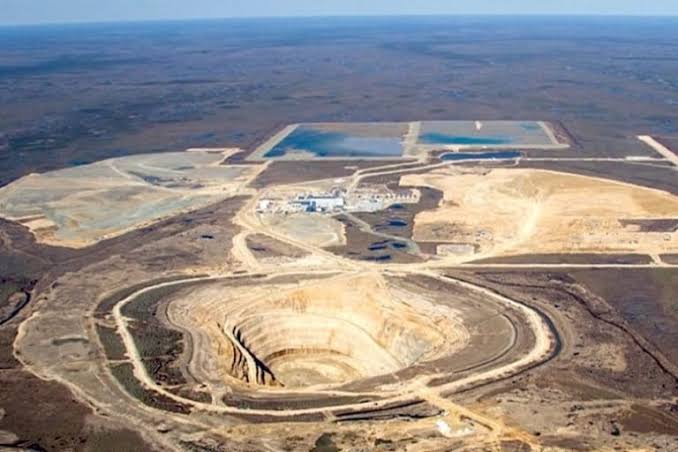
Holders of mining leases under the Minerals and Mining Act (Act 703) can import mining equipment, machinery, and accessories free of import duties and most taxes. This is usually accomplished through an exemption certificate issued by the Ghana Revenue Authority (GRA) and the Ministry of Finance.
Excavators, haul trucks, crushers, drills, and spare parts are among the exempt products that are certified on an annual basis.
Construction & Infrastructure
There are no general exemptions for construction equipment. Duty is typically 5% to 10%, depending on the HS classification.
Contractors on some government-funded projects (particularly aid-funded or Public-Private Partnerships) may earn project-specific tax breaks with parliamentary permission.
Free Zone Enterprises
Companies licensed by the Ghana Free Zones Authority are completely exempt from import tariffs, VAT, and levies on all capital equipment, machinery, and raw materials, as long as the commodities remain inside the zone or are used for a permitted export-oriented activity.
Ghana Investment Promotion Center (GIPC) Registered Investments
Qualifying strategic investments (over a particular threshold) are eligible for capital goods import duty exemptions and other benefits. This is not an automatic process; it requires GIPC registration and a specific exemption agreement.
- Heavy Equipment Purchased Locally
If you buy from a local dealer, all import taxes are already included in the price. Additionally:
If the seller is a registered VAT trader, the local sale will be subject to VAT (12.5%), unless the transaction is zero-rated or exempt (for example, export or sale of agricultural machinery to a qualified farmer).

Second-hand equipment sales between private individuals may be subject to VAT if the seller is VAT registered; otherwise, it is not a taxable supply.
- HS code classification is crucial.
The Ghana Revenue Authority strictly enforces the ECOWAS Common External Tariff. Heavy machinery is classified under HS Chapters 84, 85, 87, and 89. Examples:
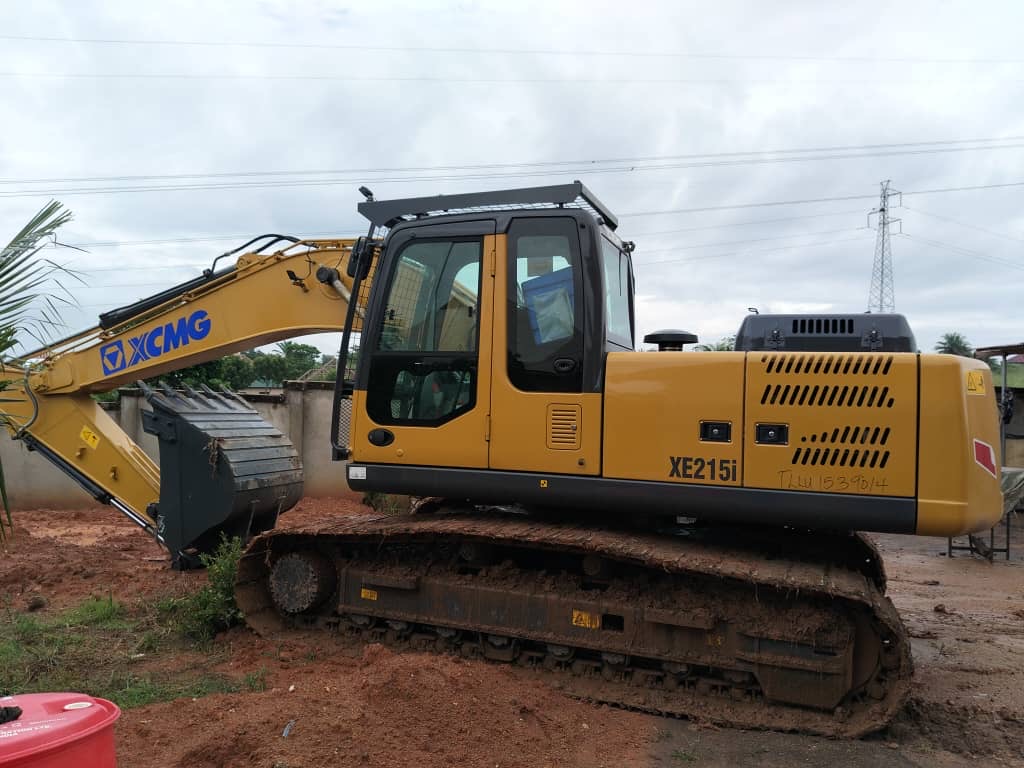
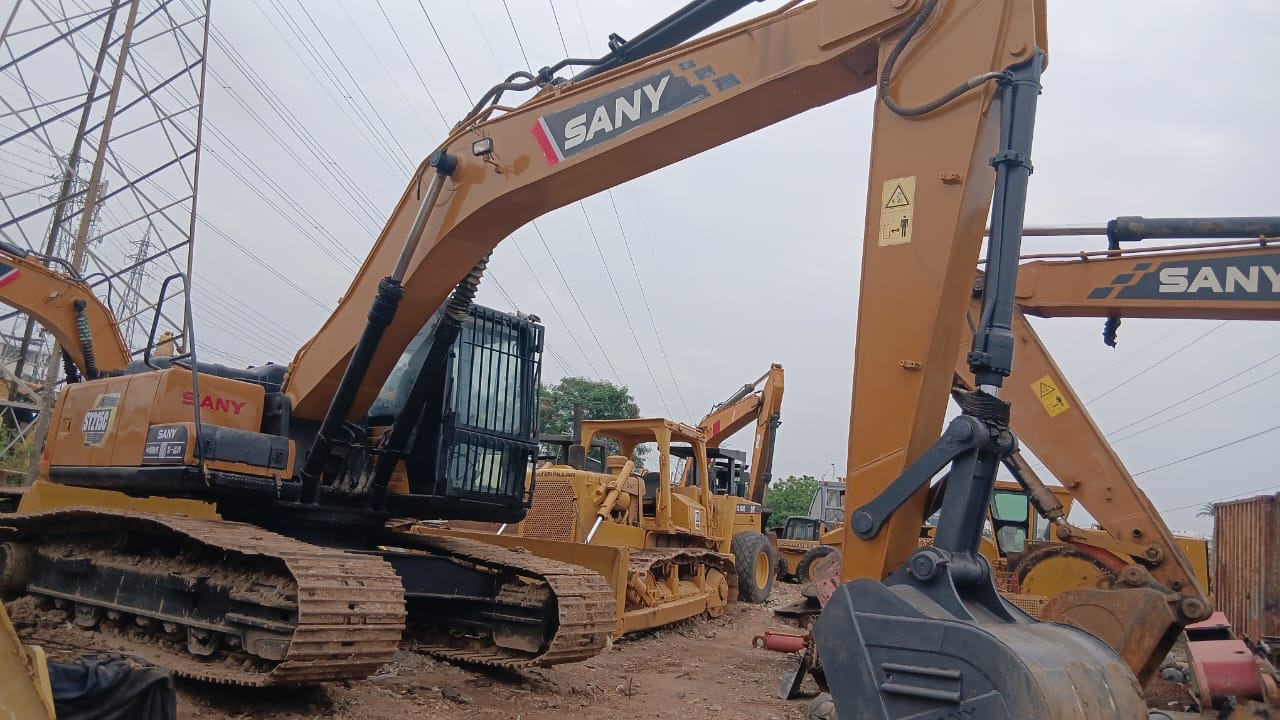
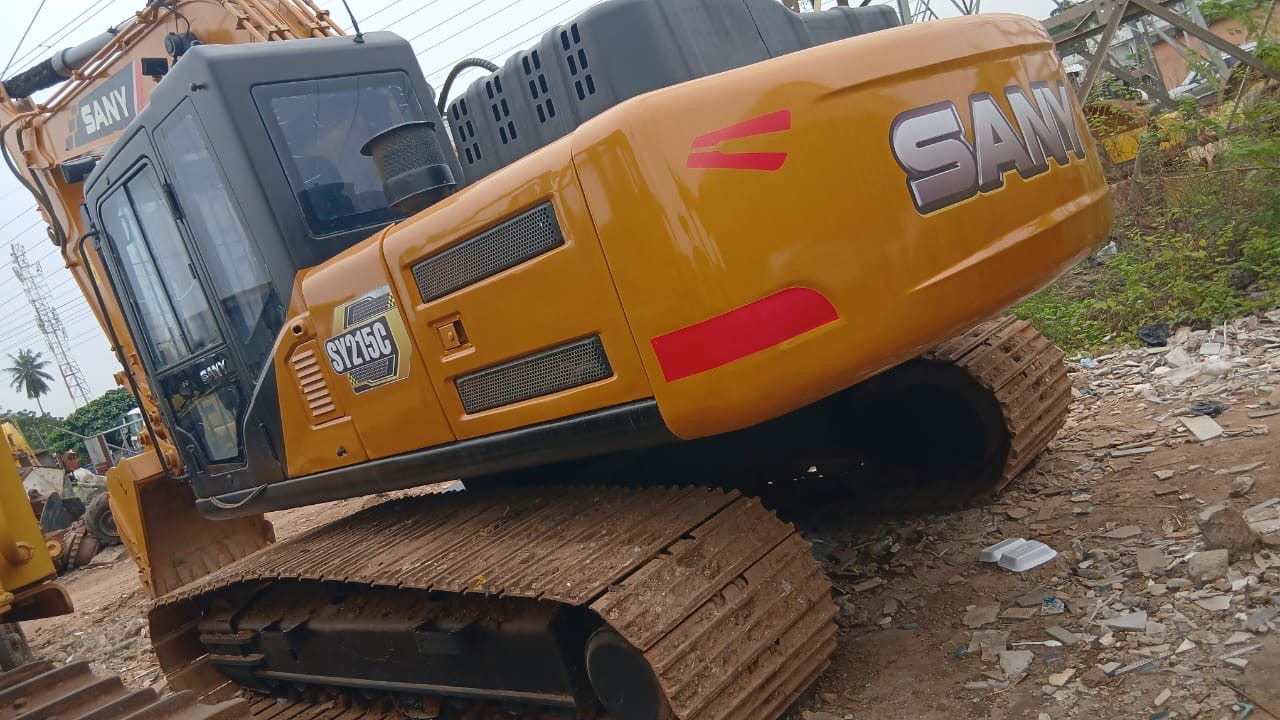
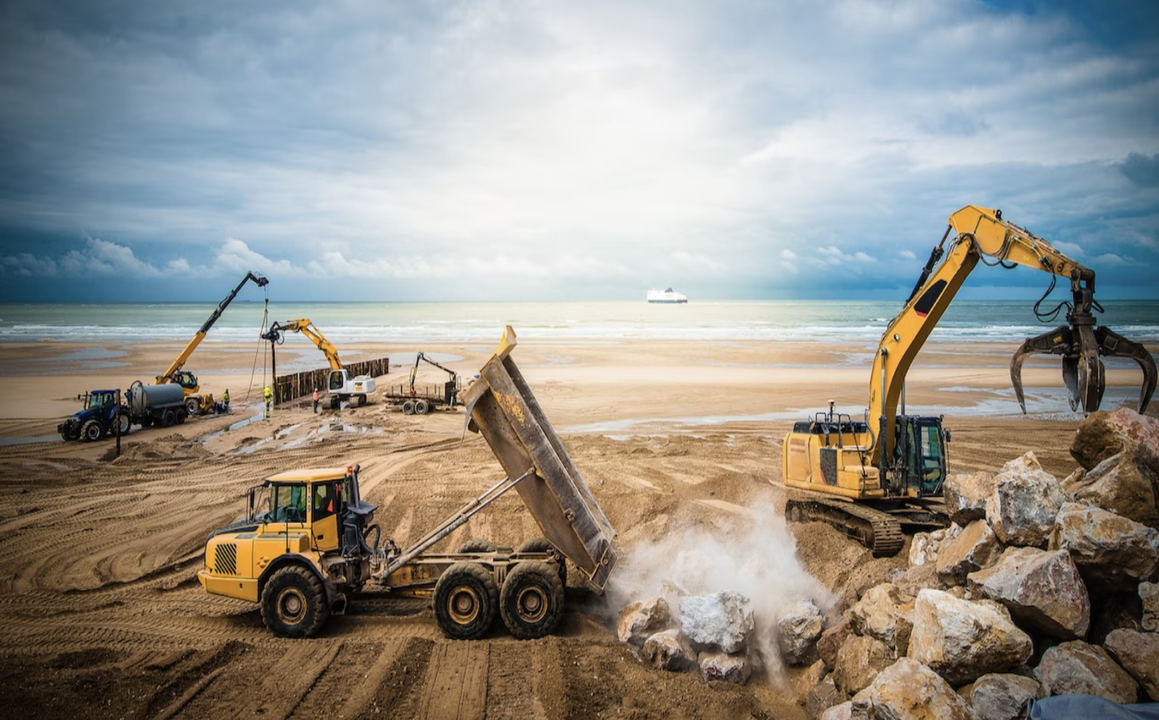
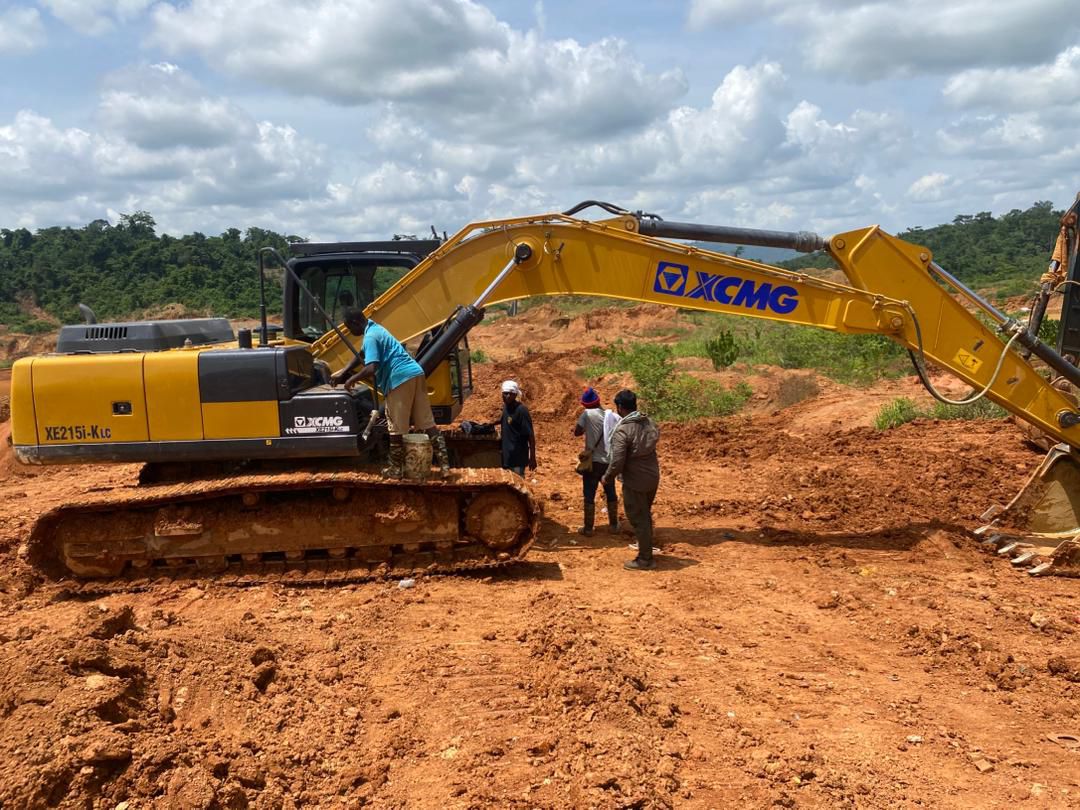
Self-propelled bulldozers, graders, and excavators (HS 8429): Typically 0% or 5% duty.
Tractors (agricultural) (HS 8701.90): 0% duty under the agricultural schedule.
Lifting/handling machinery (HS 8428): Typically 5% duty.
Dump trucks (non-agricultural) (HS 8704): 10%; 20% if categorized as conventional vehicles.
Always have a professional customs broker verify the current HS code and associated rate prior to shipment.
- Compliance and Clearance Processes
Obtain a Tax Identification Number (TIN) and register with the GRA.
Use the Ghana Customs Tariff to classify the equipment with the appropriate HS code.
Apply for exemptions (if applicable) well in advance of shipment; exemptions are not retroactive.
Submit a customs declaration using the Integrated Customs Management System (ICUMS).
Pay the assessed duties and levies; a physical inspection may follow.
Obtain a customs release note and accept delivery.
Summary of Effective Tax Burden (typical scenario)
For non-exempt heavy equipment with a 5% import duty:
Item Rate on CIF: Cumulative Effect.
Import Duty: 5% on CIF.
ECOWAS + Special + COVID-19 levies: 3.5% ~ 8.5% on CIF.
VAT/NHIL/GETFund (17.5% combined) 17.5% of (CIF+duty+some levies) ~12.5% additional to CIF
Total approximate add: 21-24% of CIF.
The cost of duty-free and exempt equipment (such as mining under lease) is reduced to inspection/network charges and any irrecoverable port fees.
Recommendations
Prior to importation, confirm the HS classification.
Engage a licensed clearing agent to negotiate current GRA/ICUMS standards.
If you qualify for sector exemption certificates (mine, agriculture, free zone), apply as soon as possible.
Monitor developments; Ghana’s mid-year budget reviews occasionally revise or add new levies.