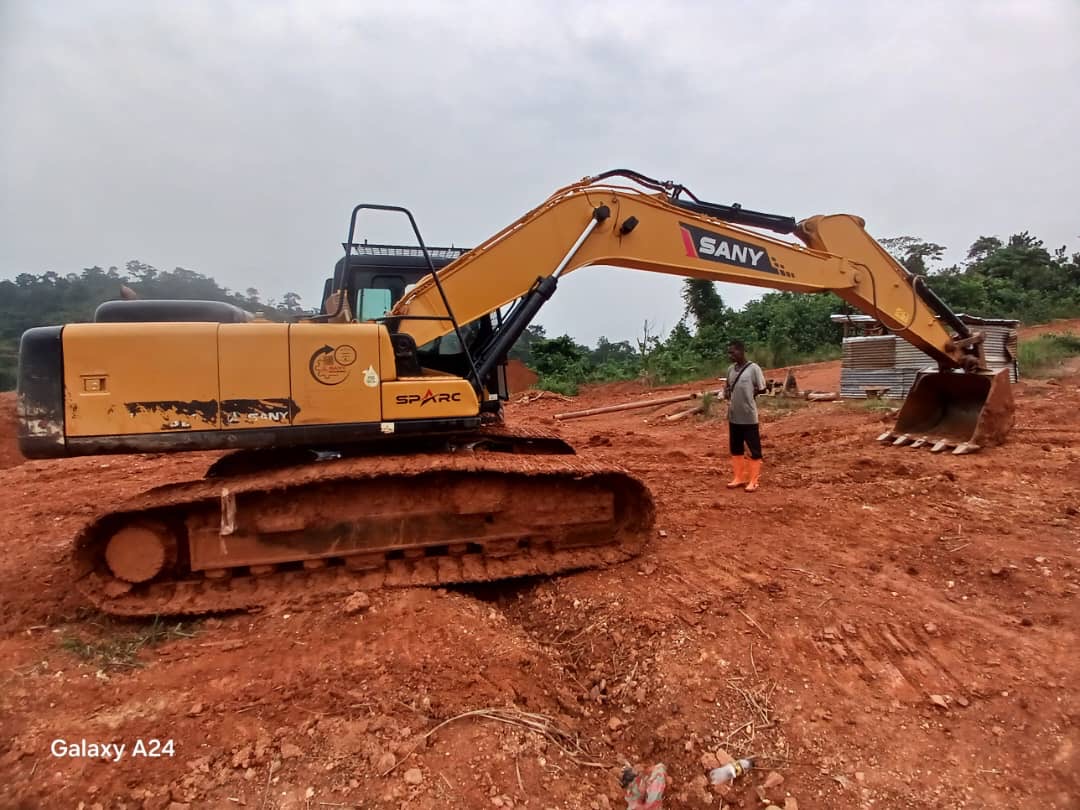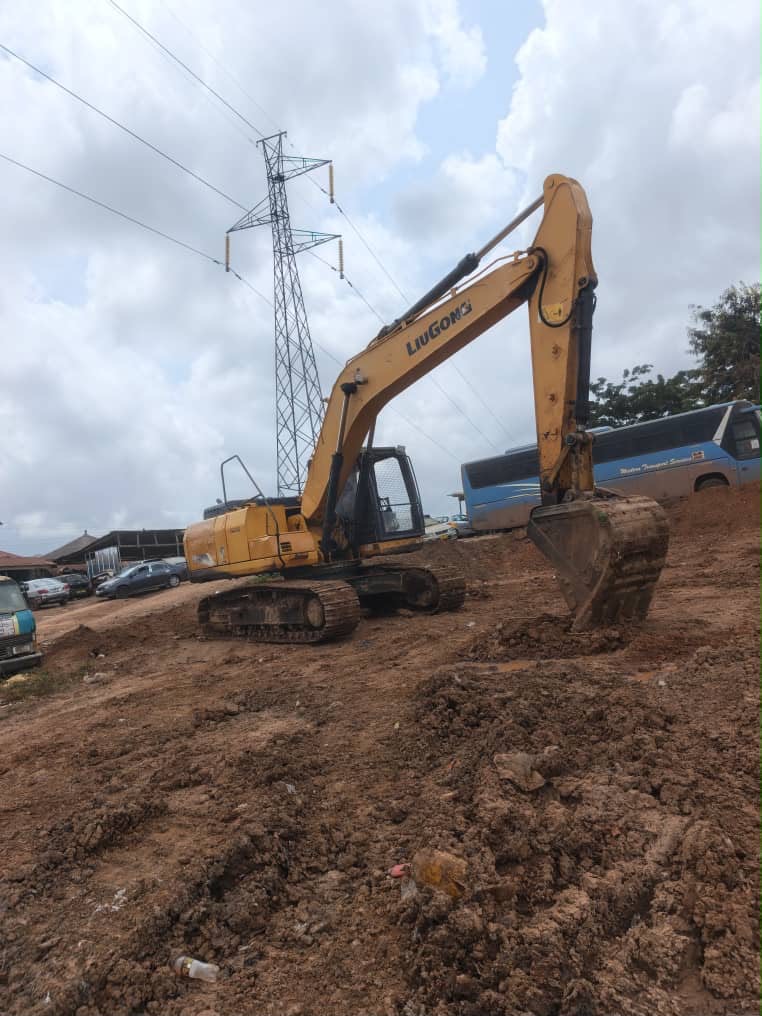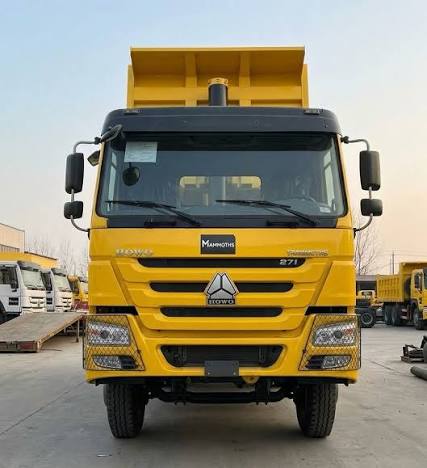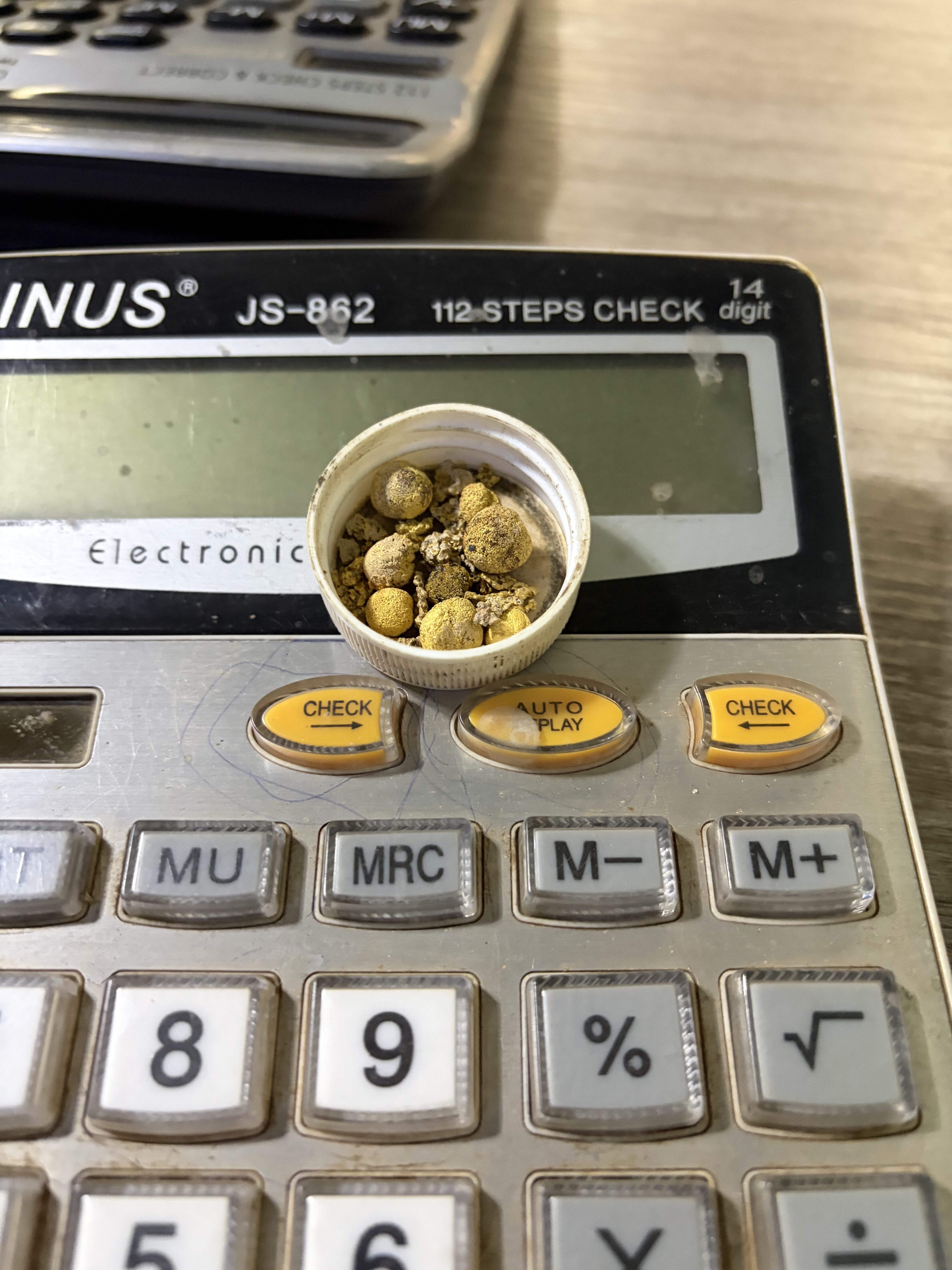

Purchasing shares in a large company is not the same as investing in small-scale mining. It’s a high-risk, high-reward sector that lies between established production and pure discovery. Success for a resource investor is much more dependent on operational due diligence, jurisdictional acumen, and proper deal structure than it is on commodity price speculation.
A strategic guide based on the actual risks and levers that affect results in this industry may be found below.
- Describe what you mean by “small-scale mining.” Not every little mining operation is the same. Your approach needs to fit into one of three categories:
Junior Miners in Small-Scale Businesses (Public/Private) frequently listed on AIM, ASX, and TSX-V. They run a single mine that may produce up to 50,000 ounces of gold or its equivalent annually. Usually, investments are made through convertible debt or stock.
Formalization Plays for Artisanal and Small-Scale Mining (ASM) unorganized, frequently unlicensed miners. In exchange for an off-take or profit share, the investment play offers funds, machinery, and technical know-how to improve recovery and formalize operations.
Joint Venture or Direct Ownership in a Permitted Small Deposit A known, authorized deposit that is too small for a major is directly funded by an investor or small group. In essence, you’re turning into a financial partner or operator.
Each has a very distinct required level of control, risk, and strategic approach.
- Recognize the Margin Gap, Not the Resource, as the True Value Driver The resource’s size is irrelevant in small-scale mining. The difference between the achievable operational cost and the commodity price, scaled by throughput, is the main generator of value.
Your diligence must be unrelentingly focused on:
At a throughput of 50–200 tons per day (tpd), the cash cost per ounce/tonne is reasonable. The majority of small-scale failures result from the application of cost models that have been reduced from large mines.
recovery rate using on-site equipment rather than lab test findings. On a small operation, a 10% discrepancy in recovery can eliminate all free cash flow.
uniformity in head grades. Small deposits are infamously erratic. It is lethal to apply an average grade blindly without knowing about mining dilution and selectivity.
Seek out operations that, at conservative price decks, may produce an operating margin of 50–70%. The standard is narrow-vein, high-grade systems with gravity-recoverable gold.
- Arrange the Investment to Prioritize Cash Flow and Asymmetric Control Operators dominate small-scale mining. The person with technical and managerial expertise is in charge. Standard minority equity is frequently the weakest position for a financial investor because it puts your capital at risk, gives you little influence over expenditure, and places you behind employees and trade creditors in the event of a failure.
Make use of arrangements that prioritize financial flow and control:
Operational Covenants on a Secured Convertible Debenture The equipment and mining license serve as collateral for your financing. Minimum output goals, cost caps, and operator personal assurances are examples of covenants. If the deposit increases, the conversion feature offers upside.
Streaming or Royalty in a Small-Scale Business You have a senior claim on production if you receive a gross revenue royalty (1.5–3.5%) or a metal stream with continuous payments. Less upside, but impervious to managerial errors and growth in operating costs. Many small businesses would sell a royalty that is less than fair because they are in dire need of upfront funding.
Hard Audit Rights in a Profit-Sharing Agreement If the operator has the team, plant, and license but lacks funding, arrange a contract in which you finance working capital and ongoing capital expenditures in return for a predetermined portion of net earnings (e.g., 40–50%) until a desired payback multiple is reached, followed by a residual equity interest. The crucial phrase is “audit rights”—you need to be able to send your own controller to the location to confirm production numbers, expenses, and gold sales.
Equity Only with a Veto or Board Majority Only if you are actively participating. Make sure you have the board votes or shareholder rights to approve all significant contracts, remove management, and prevent dilution if you invest in pure stock.
- Jurisdictional Due Diligence: Human Factors, Surface Rights, and Legal Title Title issues, battles over surface rights, and local politics are almost as common causes of small-scale mining failures as geology. Prior to making any capital commitments, provide answers to these questions that go beyond a lawyer’s desktop review:
Is the mining license only for prospecting and exploration, or is it for full exploitation? Many “operating mines” rely on low enforcement to engage in illicit exploitation under an exploratory license. Your investment would be susceptible to shutdown and not covered by insurance.
Are agreements for community access and surface rights in effect and up to date? The landowner frequently has de facto veto power over minor concessions. It is not negotiable to have a proper written agreement with the legitimate landowner group that includes a clear royalty or compensation plan.
Are there no unstated third-party pledges in the mineral title? Miners may have promised several local lenders their output in ASM circumstances. You need ground-level intelligence; a public register search is not enough.

Are environmental permits available and up to date? Mercury amalgamation and tailings dumping into waterways are common practices among small miners. A budget and schedule for converting to approved processing techniques (such as gravity or cyanide with appropriate tailings) must be part of your capital investment. In many jurisdictions, you may be directly liable as a financier.
Small-scale mining is ranked differently from large-scale projects in terms of jurisdiction. Bureaucratic obstacles intended for large-scale mining may make it impossible for small operators to operate in a nation with a high Fraser Institute ranking for majors. On the other hand, if you have political risk insurance and are working with a reputable local operator, you can operate on a small scale in countries like Burkina Faso, Ecuador, or Mongolia.
- Operator Due Diligence: The Individual Is More Vital Than the Property In small-scale mining, you are placing a wager on the personality, skill, and perseverance of the operator. Technical reports are essential but not enough. Assess:
a history of working at a comparable scale. A geologist who discovers a deposit is not a miner. Seek out practical mining engineers with experience managing 50–200 tpd operations.
On-site financial discipline. How do they manage money? Is it customary to keep personal and business expenses apart? Examine fuel receipts, gold sale records, and petty cash logs. Fraud or cost blowout is inevitable when numbers are messy.
Risk to personal capital. The operator needs to have significant “skin in the game” that would hurt if they gave up. If they have the option to leave for another project, sweat equity is insufficient.
local connections and expertise. Do local employees and community leaders respect the operator? Take a stroll around the site with them and watch how they interact. You will be shut down as effectively as a declining gold price if you have a tense relationship with the workers’ cooperative or local chief.
- Technical and Operational Diligence: Prioritize Recovery and Throughput Over Resource Size A basic techno-economic model with the following priorities should be requested or commissioned:
Mineable inventory, not 43-101 measured resource, for the first 12 to 18 months. Do they have developed faces, shattered ore on the ground, or at the very least, ditches that reveal stuff that needs to be paid? Drill-indicated ounces are not what determine cash flow from day one, but rather broken reserves.
audit of the processing plant. Is the plant appropriate for the mineralogy of the real ore? Purchasing a gravity-only plant for ore containing 40% gold trapped in sulfides is a common mistake. Get a qualified metallurgist to evaluate the current plant, even if it just takes a brief consultation.
Water, power, and supply chain. How much does diesel actually cost per kWh of electricity? How long will it take to obtain extra crusher liners or cyanide? One spare parts delay can ruin quarterly cash flow in remote areas.
scheme for waste management and tailings. Where will tailings physically move over the next two years, not only in terms of environmental compliance? A shutdown may be forced more quickly by an impending shortage of tailings capacity than by a drop in the price of gold.
Consider it a warning sign if the operator is unable to generate these in a logical, one-page dashboard.
- Before entering, determine your exit strategy. Investments in small-scale mining are not liquid. Exits need to be designed:
purchase by the operator. Create a put option that allows you to sell your ownership back to the operator at a predetermined formula (such as a multiple of average net cash flow) after three to five years. This necessitates self-control and a route to liquidity.
play of consolidation. The exit from funding multiple adjacent small businesses is to combine them into a package that can be sold to a mid-tier producer looking for a district-scale land package with potential for production and development.
redemption on a debt based on production. A predetermined portion of production earnings is used to pay back the debenture. The exit is not reliant on the market; it is set.
Selling assets is a downside exit. Make sure you have a first-priority stake in the mining license and plant in the security package. You must be able to legally sell the physical assets and license to a third party in the event that the operation fails. Without it, a poor operation turns into a complete loss with no chance of recovery.
- Risk Control and Useful Red Flags Security and theft of gold. Physical currency leaks occur in small-scale gold mining. A two-person rule, direct on-site smelting, independent third-party transportation to the refinery, and reconciliations between ounces mined and ounces shipped are all necessary components of a gold room process. An audit must be triggered by discrepancies more than 3-5%.
Exploration creeps in. Instead of halting development to feed the mill, operators choose to spend your money on drilling “to expand the resource.” Production capital must be ring-fenced in the budget. Exploration should only be funded after steady free cash flow, preferably from a different source or profits that have been reinvested.
invasion by artisanal miners. A modest official mine often located on land that has long been used by unofficial miners. Conflict is inevitable in the absence of a defined coexistence or relocation agreement. This risk is political rather than technological. Invest exclusively in areas where the operator and the local mining cooperative have an established partnership that includes employment, compensation, and specified zones.
Key man reliance. Production in small teams can be stopped by the loss of a single plant manager or shift leader. Demand a succession plan and cross-training. Think about key-man life insurance.
An overview of strategy for investors The best course of action for resource investors looking to gain exposure to small-scale mining is to:
Give a cash-flow-first structure (profit sharing with audit, royalty, or secured loan) precedence over pure equity.
Give local access and people more weight than the geological report.
Invest only in businesses where you can independently confirm the number of ounces produced and the amount of money spent each month.
To reduce the risk of a single asset, build a portfolio of three to five well chosen, jurisdictionally diversified activities. The winners can return three to five times your capital in two to three years, while the first two will probably underperform or fail.
This tactic is not passive. Active participation, expert advisors (a reliable mining engineer and local legal counsel), and the ability to manage operational emergencies are all necessary. When done correctly, margin capture in small-scale high-grade production produces cash yields that are unmatched by large-cap mining. When done recklessly, it uses up funds more quickly than any exploratory risk.