
The headline indicates a dramatic change in the credit environment in India. With high gold prices, speedy digital processing, and a big informal sector seeking formal credit, gold loans have emerged as a go-to solution for short-term cash. Experian India’s findings—likely from their credit bureau data and market analysis—show numerous major trends, hazards, and behavioral shifts among borrowers.
Here’s a closer look at the reasons for this trend and what the Experian insights suggest.
Why gold loans are growing for short-term needs
- Soaring gold prices increase borrowing capacity
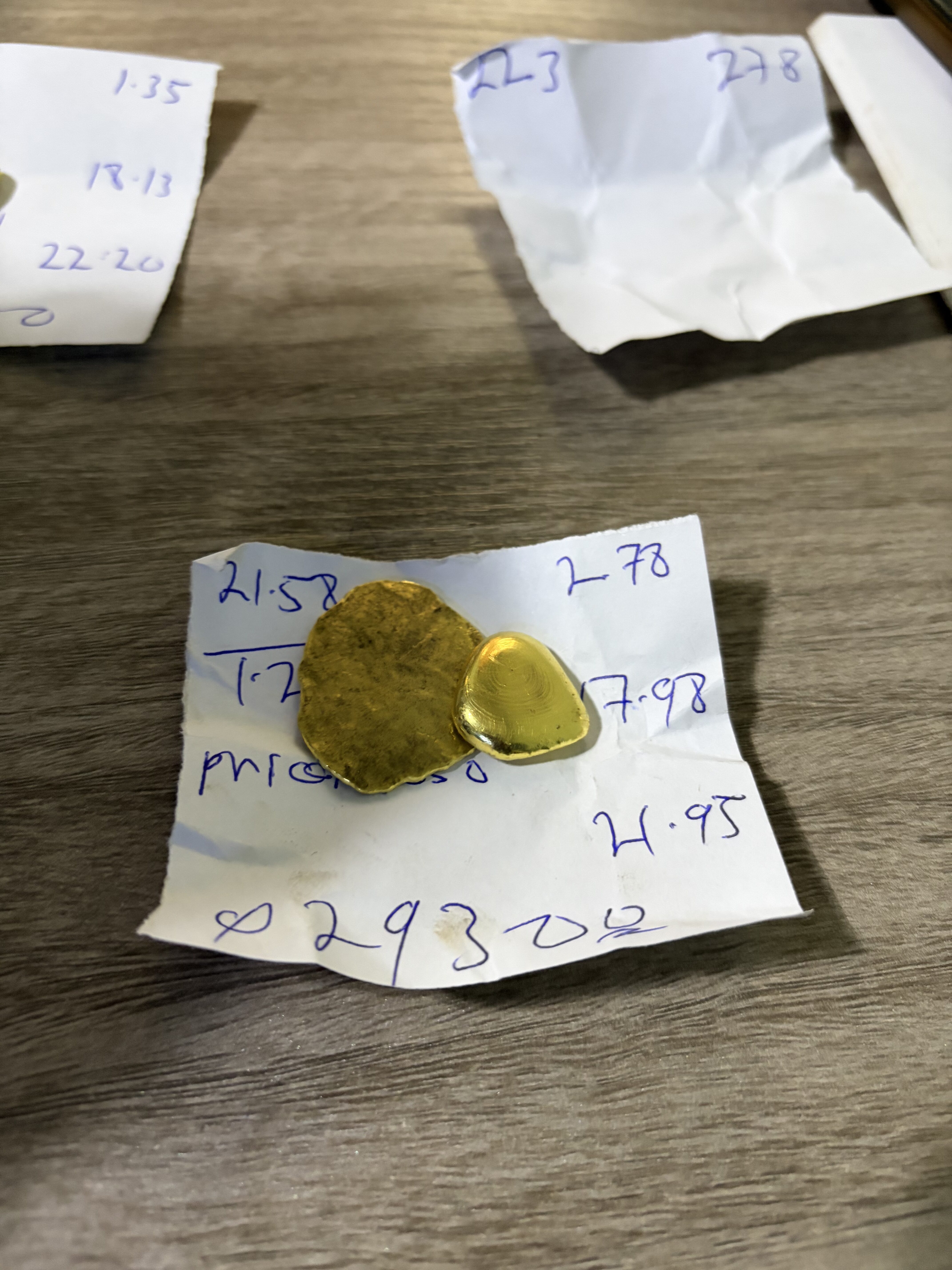
When gold prices rise, the collateral value of existing household gold goes higher. A family that could have pledged jewelry for ₹1.5 lakh two years ago can today readily borrow ₹2.2–2.5 lakh against the same physical gold. This directly injects more formal credit into the system for immediate consumption, corporate working capital, or emergency medical requirements. - Speed and little documentation
Gold loans require virtually no income evidence, CIBIL score inspection, or long documentation—they are secured, asset-backed loans. Disbursal frequently happens within an hour, making them the top choice for urgent liquidity. For a small trader needing funds to restock or a farmer bridging a financial gap before harvest, speed outweighs interest rate comparisons. - Shift from informal to formal credit
Traditionally, moneylenders at usurious rates met the short-term liquidity needs of borrowers. As banks and NBFCs aggressively expand their gold loan portfolios and process loans at the branch and agent level, Experian’s data likely reflects a structural shift of these borrowers into the formal credit system, creating their credit records in the process. - Rise of digital and doorstep gold loans
Fintech alliances and bank apps now allow gold loan applications online, with doorstep gold valuation and quick credit to accounts. This has widened the market beyond urban centers, taking in tier-2 and tier-3 borrowers who previously had restricted access.
What Experian’s data probably reveals (important trends)
Portfolio growth surpassing other secured loans—Gold loan books of banks and NBFCs have been rising at 15–25% year-on-year, far faster than housing or auto loans.
Small-ticket, short-tenor dominance—Average ticket size remains small (₹60,000–₹1.5 lakh) with tenors of 3–12 months, validating the use case: bridging transitory cash gaps rather than long-term capital spending.
Borrower profile — Dominated by self-employed individuals, micro-entrepreneurs, small traders, farmers, and salaried individuals in semi-urban/rural districts. A greater share of women donating their own gold jewelry is also noticeable.




Geographical spread—South India remains the largest market (particularly Kerala, Tamil Nadu, and Andhra), but growth is quickening in the West and North, spurred by NBFC and bank branch expansion.
Low default rates but risk of overleveraging—the secured nature keeps NPAs low (usually 1–2%), but Experian might alert early signals of multiple pledges on the same asset or frequent rollover behavior, which can lead to debt traps if gold prices correct.
Advantages that make gold loans the “short-term liquidity” champion
Lower interest rates than unsecured loans—Typically 10–16% p.a. against 20–36% for personal loans or credit cards.
No end-use restrictions—Borrowers can utilize funds for any purpose: child’s education cost, hospital bills, stock replenishment, or even another investment.
Flexible repayment plans—monthly interest payments with a bullet principal at the end or full payments at maturity—suit seasonal cash flows.
No prepayment penalty in most circumstances—Borrowers can close when cash flow improves, making it excellent for truly transitory needs.
Risks and warning notes (presumably highlighted by Experian)
Gold price volatility—A quick decline in gold price generates margin calls; if the borrower can’t top up collateral or part-repay, the lender auctions the gold, frequently at a loss to the borrower.
Stacking of loans—Some individuals pledge the same gold across various unorganized channels or take repeated loans without clearing prior ones, resulting to unmanageable debt.
Asset loss risk—For sentimental gold like family heirlooms, default means irreparable loss, not simply a financial setback.
The broader credit bureau perspective
Experian India likely perceives this tendency as a double-edged sword. On one hand, gold loans are “credit inclusion “enablers”—they provide a credit footprint to thin-file or new-to-credit customers. Timely repayment might boost their score for future unsecured products. On the other, if short-term liquidity crutches become a perpetual cycle, the borrower’s overall leverage rises silently, disguised behind a secured product that credit bureaus may not completely catch in real time because gold loan reporting is still less precise than for unsecured loans.
In summary
Gold loans have grown from a distress-selling option into a popular, sensible short-term liquidity vehicle. The Experian India research emphasizes that with high asset values and easy accessibility, Indian consumers are actively utilizing their idle gold as a liquid collateral line rather than a static asset. For lenders, it’s a robust, low-NPA category; for borrowers, it’s quickness and dignity without invasive monitoring. But financial literacy about the hazards of over-reliance and gold price volatility is vital, and that’s where bureau data and lender analytics must step in to prevent a short-term remedy from becoming a long-term problem.