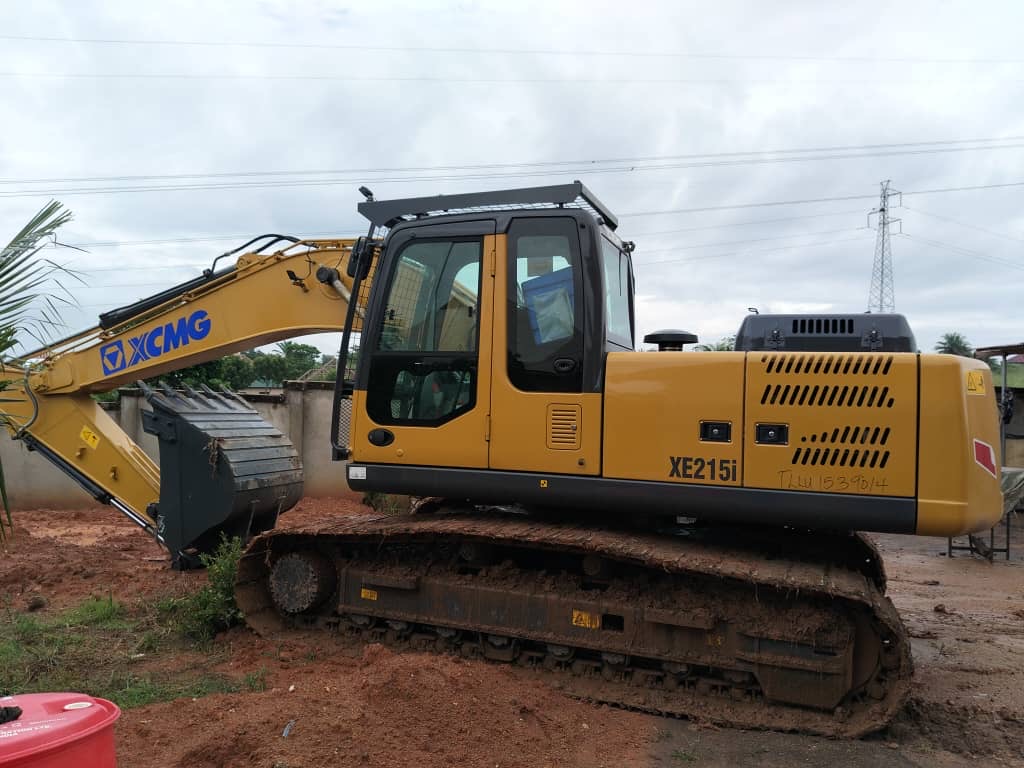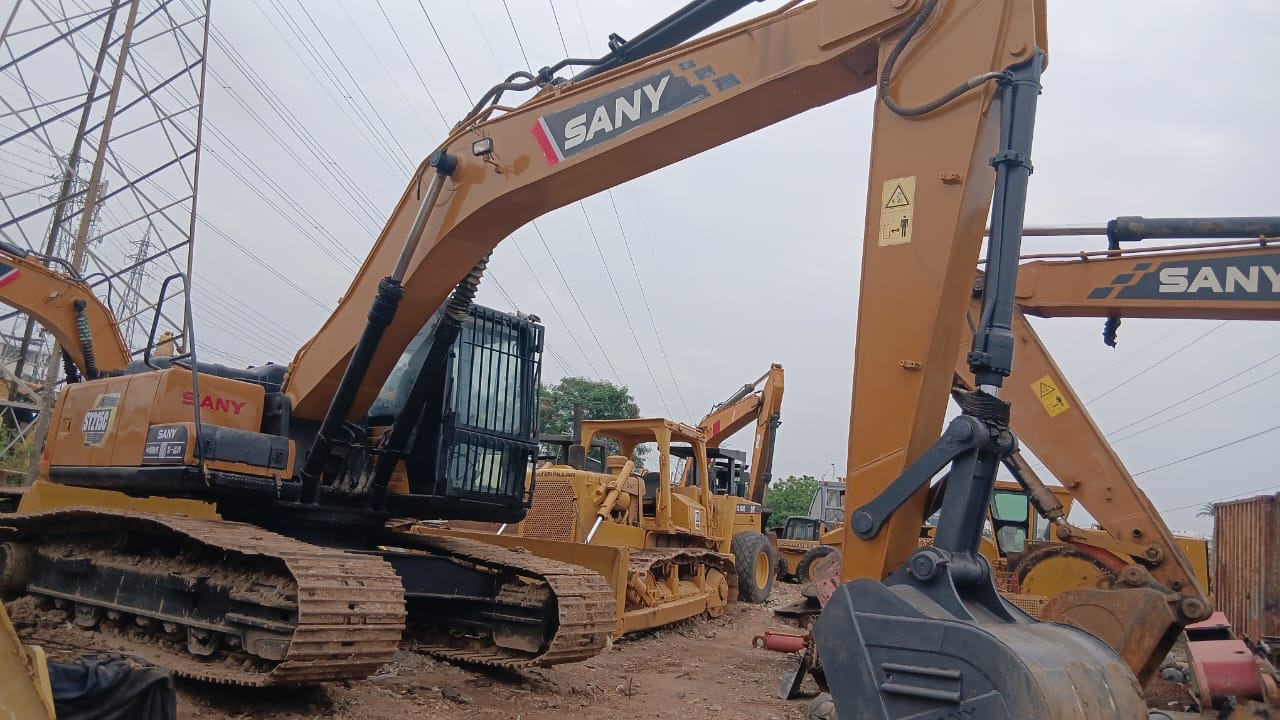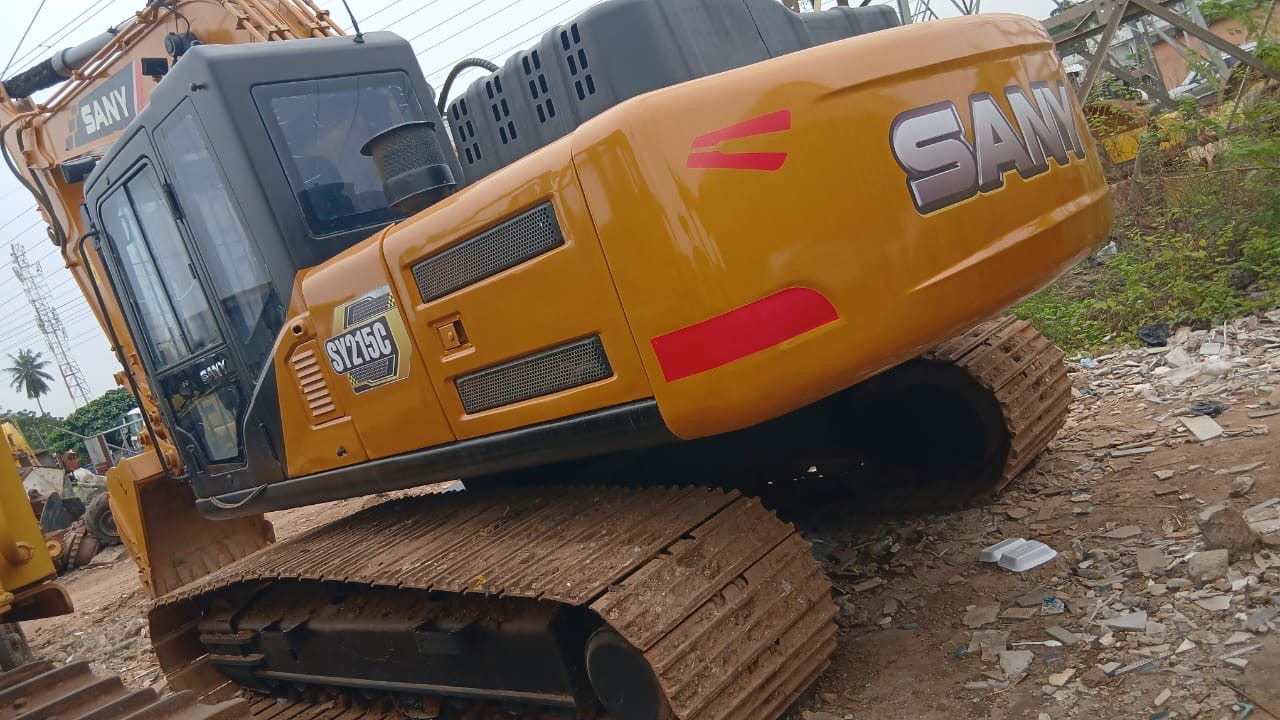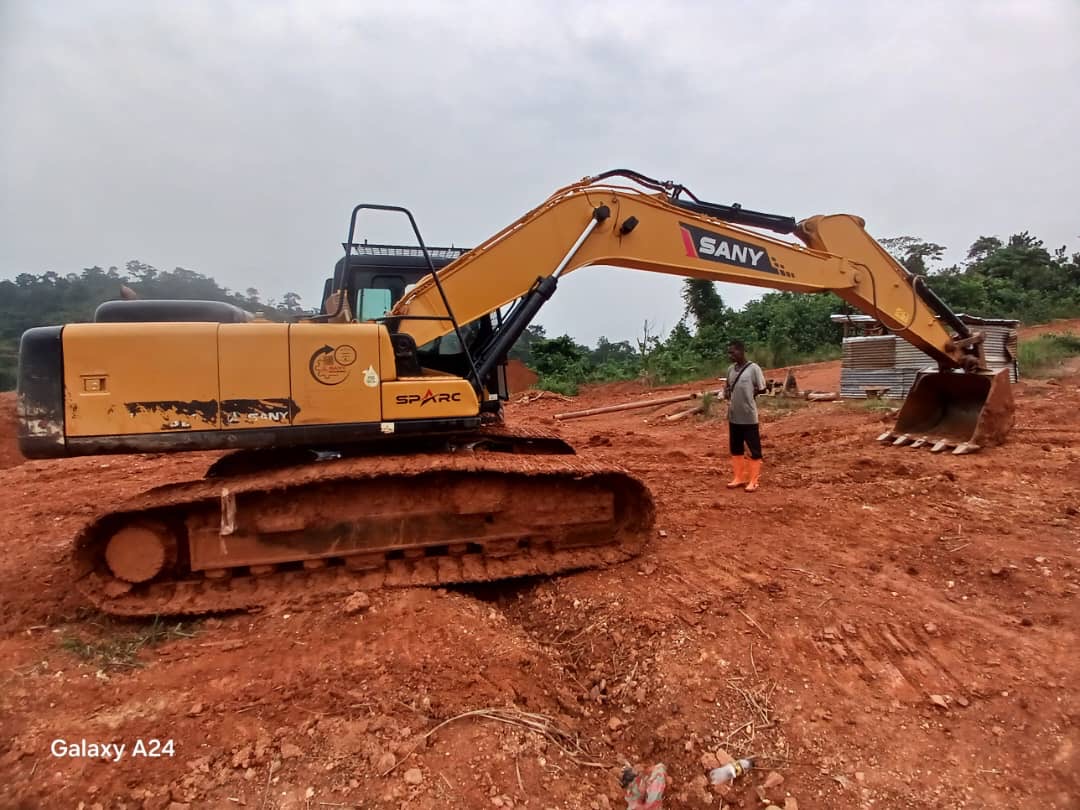

One important and quickly developing sector of India’s construction equipment business is the excavator rental market. Massive infrastructural investments, a move from ownership to rental, the arrival of organized players, and digital platforms are all reshaping it.
This is a well-organized summary of the market environment, current trends, and future prospects.
- Market Size and Growth Construction Equipment Industry: India is the world’s third-largest market for construction equipment. Between 25,000 and 30,000 excavators are sold annually, with hydraulic excavators—of which the 20-ton class is the most popular—making up the most portion.
Rental business Value: Although exact numbers vary, the organized construction equipment rental business, which includes excavators, is believed to be around ₹10,000–15,000 crore (USD 1.2–1.8 billion) and is expanding more quickly than equipment sales.
Equipment rental penetration is between 10% and 15% in India, compared to 50% to 60% in developed economies, suggesting substantial possibility for expansion.
Growth Rate: Over the next five years, the excavator rental market is anticipated to expand at a compound annual growth rate (CAGR) of 8–12%, fueled by both volume and rate increases.
- Drivers of the Market Push for Government Infrastructure
There is a persistent need for earthmoving equipment for roads, railroads, metro projects, irrigation, and urban development due to the National Infrastructure Pipeline (NIP) and PM Gati Shakti master plan.
A lengthy pipeline of projects is ensured by increased budgetary expenditure to infrastructure (about 3.3% of GDP).
Change from Ownership to the Opex Model
Small and mid-sized contractors are being forced to rent rather than buy due to high capital expenditures (a new 20-ton excavator costs ₹45–70 lakh) and growing maintenance costs.
Renting eliminates resale risk, maintains credit lines, and transforms capital expenditure into operating expenditure.
Nature of Short-Term Projects
Since many infrastructure contracts last between 12 and 36 months, short-to-medium-term rentals are more cost-effective than purchases followed by idle asset time.
Modernization of Fleets by Big Contractors
To preserve fleet flexibility and avoid outdated equipment, major EPC companies including L&T, NCC, and Dilip Buildcon are progressively renting specialized or additional excavators.
Quarrying and Mining
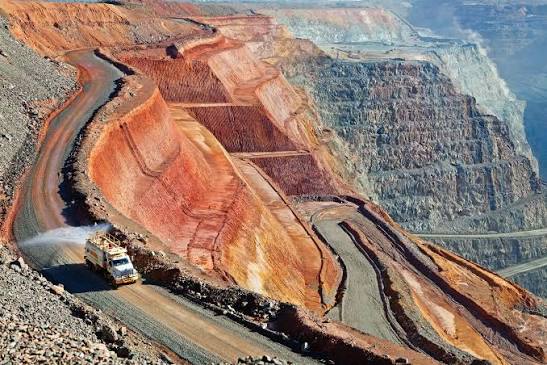
Mining contractors, who frequently favor renting fleets for particular stages of mine development, maintain a high rental demand due to increased coal production targets and aggregate demand.
- Segmenting the Market By Type of Excavator
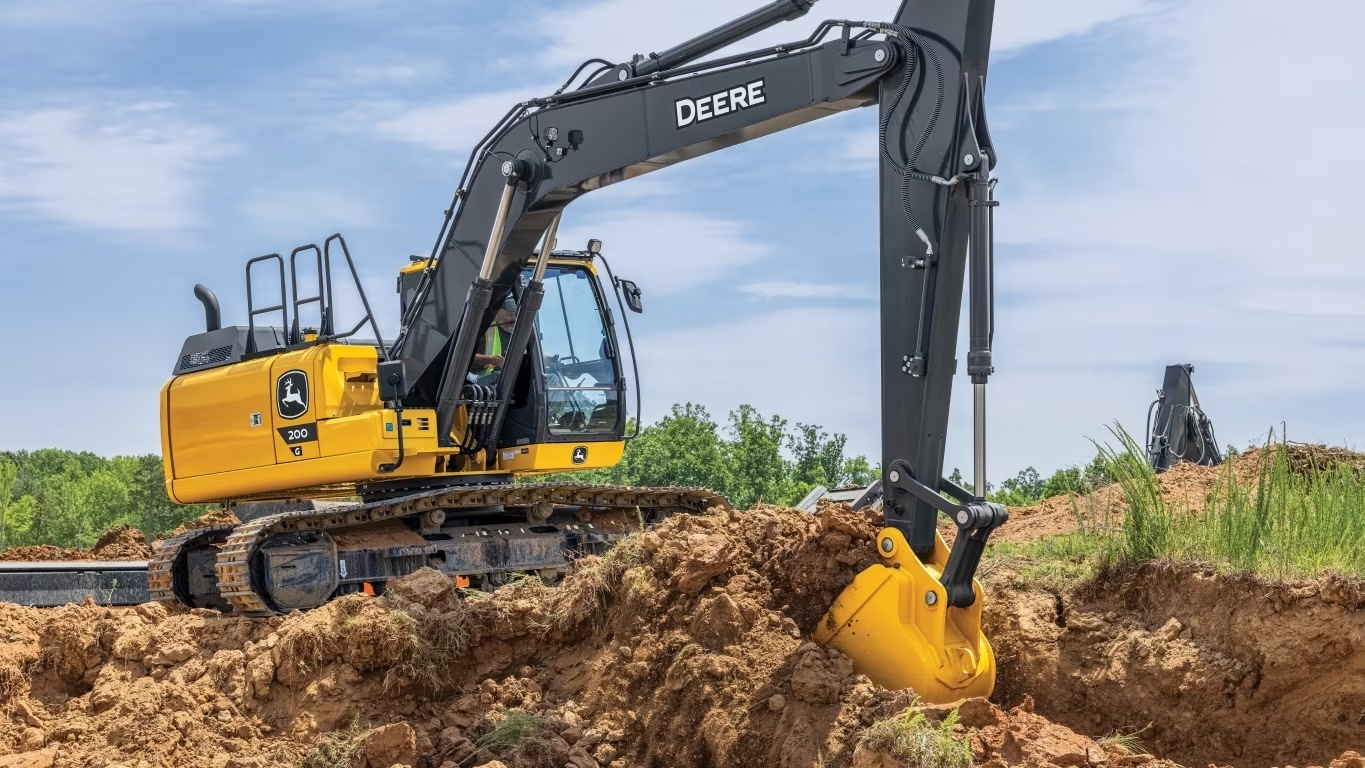
For general earthwork, crawler excavators are the most common type, primarily in the 20–22 ton class.
Mini excavators (3–8 tons): A rapidly expanding market in interior demolition, plumbing, and urban utilities.
Long-Reach/Demolition Excavators: Used for certain demolition and metro/viaduct tasks.
Wheeled excavators are a tiny but growing market for urban and road maintenance applications.
By Length of Rental
Local, mostly disorganized players in the short term (daily/weekly).
Medium-Term (3–12 months): Served by local rental fleets, this is the most popular.
Long-Term/Lease (1-3 years): Increasingly popular among corporations and major contractors; frequently includes a buy-back or guaranteed maintenance clause.
By Industry End-User
Roads, bridges, and metro systems: approximately 55%
Mining: about 20%
Urban development and real estate: about 15%
10% for agriculture and irrigation
By Area
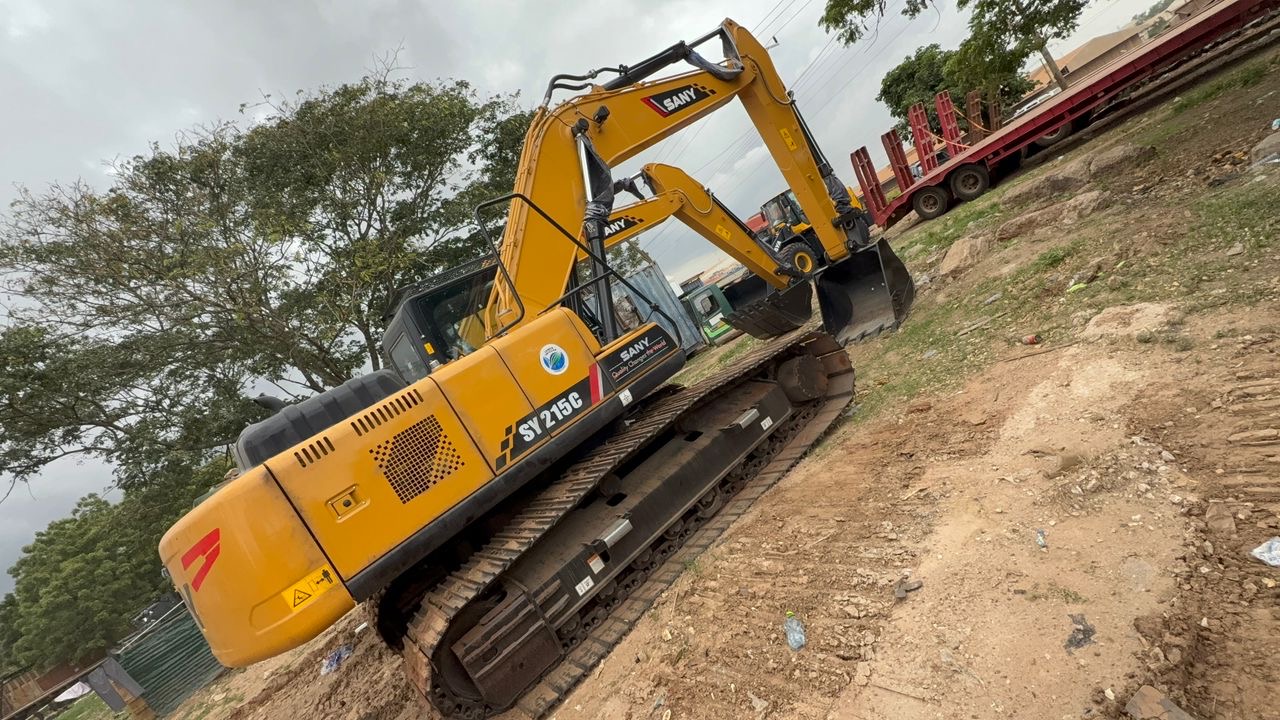
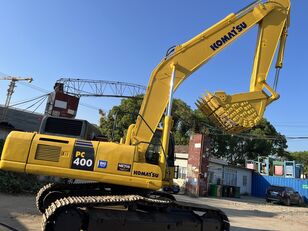
Maharashtra, Uttar Pradesh, Gujarat, Tamil Nadu, Karnataka, Rajasthan, and Madhya Pradesh have the highest demand, with mining activity and infrastructure project density being monitored.
- The Competitive Environment Despite the market’s extreme fragmentation, formalization and consolidation are taking place.
Tier 1: Big, Organized Rental Businesses
Quippo, formerly the most organized equipment rental company with a statewide fleet, is currently a part of Srei and is undergoing reform.
ABCI Infrastructures: Expanding fleet of piling rigs, cranes, and excavators for rent.
Gammon and Ashoka Buildcon: Some EPC players also rent out unused gear.
Equipment is frequently owned and leased through partnerships by commercial vehicle financiers (Chola Mandalam, Shriram Transport).
Tier 2: Dealer-Led Rentals & OEM Rental Arms
OEMs and their dealers, such as Tata Hitachi, JCB India, Hyundai CE, Volvo CE, Caterpillar, SANY, and Kobelco, are progressively providing rental and leasing options either directly or through captive NBFCs. Examples are “JCB Rental Solutions” from JCB and “Tata Hitachi Rental” from Tata Hitachi.
In order to install new machines, guarantee authentic parts and service revenue, and subsequently feed the used-equipment market, OEMs use rental as a conduit.
Tier 3: Platforms for Renting Digital Equipment
Infra Bazaar: An online marketplace that links tenants and equipment owners.
BuildSupply: Provides procurement and rental services.
RentMacha is an aggregator website that specializes in equipment for material handling and earthmoving.
Part of the larger used/rental ecosystem are GetMyEquipment and Equippo (used equipment sales).
These platforms increase equipment utilization, machine selection, and pricing transparency, but they have trouble guaranteeing machine quality and timely availability.
Tier 4: Disorganized Local Participants
The industry is dominated by thousands of small fleet owners who possess one to five excavators, particularly for daily, short-term leases. They frequently lack insurance and maintenance standards, but they offer competitive rates and local connections.
- Important Trends Purchase Option with Rental (RPO)
After renting an excavator for two to three years, contractors can either buy it at a predetermined residual value or return it. Because it provides flexibility and eventual ownership, this model is becoming more popular.
Remote monitoring and telematics
In order to monitor fuel usage, engine hours, position, and health alerts in real time, rental fleets are increasingly outfitted with GPS and Internet of Things sensors. This facilitates usage-based billing (Pay-Per-Use), lowers conflicts, and increases utilization.
Revenue Share and Pay-Per-Use Models
Instead of charging a set monthly rate, some rental companies bill according to real engine hours or cubic meters of earth moved, which clearly links expenses with output.
Emphasis on Electric and Fuel-Efficient Excavators
40–50% of operating costs are related to fuel. As a result, there is an increasing need for BS-V emission-compliant, fuel-efficient excavators. For urban, low-noise applications, a number of OEMs are testing electric micro excavators; nevertheless, mainstream rental adoption is still three to five years away.
Formalization through Online Lending
NBFCs and fintechs are creating products for equipment leasing. Digital platforms make it simpler for small contractors to access organized rental fleets by combining machine rental with insurance, maintenance, and financing.
- Obstacles Unorganized Competition: Organized players find it challenging to compete only on price because the informal sector undercuts prices, runs without insurance or sufficient maintenance, and avoids taxes.
Low Utilization Risk: During project lulls, idle equipment can cause small fleet owners’ utilization to fall below 50–60%, severely reducing margins.
Lack of Skilled Operators: Many rental agreements are “dry hire,” which shifts responsibility to the renter, and adequate, skilled operators are still hard to come by.
Asset Residual Value Risk: The sustainability of long-term lease agreements where the owner assumes resale risk is impacted by shifting demand for used excavators.
Contractor Payment Delays: Infrastructure projects frequently have payment cycles of 60 to 90 days, which puts a burden on the operating cash of rental companies.
- Prospects for the Future Penetration to Increase: As formalization, digital platforms, and OEM pressure make renting more dependable and accessible, it is anticipated that rental penetration will increase to 20–25% by 2030.
Consolidation: As big rental businesses and dealer networks buy smaller fleets and expand their reach throughout India, the industry will gradually consolidate.
Green Equipment on Rent: Electric and CNG-powered mini excavators may be added to rental inventories as government tenders begin to stipulate low-emission equipment for urban/ECZ-sensitive zones.
Data-Driven Business: Businesses will stand out and charge higher prices if they use IoT data to forecast maintenance, cut downtime, and provide performance-based contracts.
In conclusion, public infrastructure spending and a structural move towards renting are expected to support the strong, double-digit expansion of the Indian excavator rental market. In order to meet the growing need, organized actors using technology, OEM support, and flexible financial models will compete with conventional informal providers.