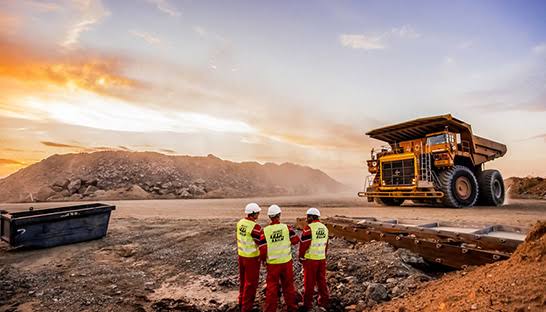

The 2026 gold boom has triggered a seismic shift across the global mining equipment industry. Gold prices have shattered records, climbing to historic levels above $5,000 per ounce in early 2026 and fueling a wave of capital spending unseen in over a decade. For mining equipment manufacturers, this gold-driven surge is a defining moment, promising years of robust demand while simultaneously exposing supply chain vulnerabilities that could reshape global mining operations. This report examines the forces driving this unprecedented demand, the industry’s response, and the challenges that lie ahead.
The Gold Boom of 2026: A Historic Run
Gold’s ascent to record-breaking highs in 2026 is the culmination of powerful structural forces. In February 2026, gold was trading above US$5,000 per ounce, a level that would have seemed implausible just a year earlier. A Reuters poll of 30 analysts and traders produced a median forecast of US$4,746.50 per troy ounce for 2026, the highest annual forecast in Reuters polls since 2012. Major banks have since raised their targets even higher: Goldman Sachs now forecasts gold to reach US$5,400 by the end of 2026, while Wells Fargo projects US$6,100 to US$6,300.
Several key factors underpin this historic rally. Central bank gold purchases remain a primary driver, with emerging-market central banks forecast to purchase about 60 tonnes per month in 2026 as countries diversify reserves away from the U.S. dollar. Western gold ETFs have added roughly 500 tonnes since the start of 2025, far exceeding what interest rate cuts alone would explain. Geopolitical uncertainty—heightened by trade tensions, concerns over U.S. Federal Reserve independence, and mounting sovereign debt—has further accelerated the flight to safety. The World Gold Council suggests gold could rise another 15-30% in 2026 if the global economy enters a “doom loop” of deeper market downturn.
For mining companies, record gold prices are translating directly into expanded margins, increased dividends, and accelerated exploration budgets. Global gold demand exceeded 5,000 tonnes for the first time in history last year, lifting the total value of consumption to US$555 billion—a 45% increase year-over-year. This surge in profitability has triggered a capital expenditure cycle sharply focused on gold.
Surging Equipment Demand: A Gold-Fueled Boom
The mining equipment market is experiencing robust growth as a direct result of gold’s historic run. Barclays forecasts global mining capital expenditure to rise 8% in 2026, the fastest annual increase in three years, but the gains are concentrated almost entirely in gold. The bank sees gold capex climbing 23% in 2026, reaching an all-time high last seen in 2012. “With particularly favourable project economics, robust cash flow generation and the fragmented structure of the industry, we expect gold capex to continue growing in 2027 as well,” Barclays analysts noted. In contrast, industrial metals spending is expected to grow by a much more modest 3%, while lithium capex is forecast to fall and bulk commodities are projected to see no growth at all.
The global mining equipment market is projected to grow from US$157.76 billion in 2025 to US$169.77 billion in 2026, representing a compound annual growth rate of 7.6%. By 2032, the market is expected to reach US$154.84 billion, growing at a CAGR of approximately 5.8%. Excavators remain the dominant equipment type, accounting for around 32% of market share in 2026, while metal mining holds approximately 45% of total market share.
Listed gold companies are guiding for exploration budget increases of more than 30% in 2026, with unit operating costs expected to rise by over 15%—a pattern analysts view as common upcycle behavior that is particularly favorable for mining equipment utilization and aftermarket intensity.
Key Equipment Manufacturers Capture the Wave
The gold boom has created clear winners among equipment manufacturers. Epiroc and Sandvik, which derive 30-40% of their revenues from gold, are expected to deliver double-digit top-line and order growth in 2026. Barclays has singled out Epiroc and Sandvik as its top picks in the mining equipment sector. J.P. Morgan has similarly identified mining equipment makers as one of the most attractive pockets within the European capital goods sector, citing strong commodity fundamentals and improving order trends.
Concrete evidence of this demand surge is visible across the industry. In March 2026, Metso was awarded orders worth EUR 39 million for the delivery of crushing and grinding plant equipment for Artemis Gold’s Blackwater Mine expansion in Canada. In Africa, Epiroc secured a major contract worth approximately SEK 380 million (US$40 million) to supply a fleet of autonomous and cable-electric surface rigs to an undisclosed customer, further underscoring the mining industry’s accelerating shift toward digital and sustainable solutions. Epiroc’s president and CEO Helena Hedblom described the order as “another significant step forward in our journey to support customers to operate in the safest, most productive and most climate-friendly manner possible”.
Even smaller developers are moving aggressively. Theta Gold Mines executed a manufacturing contract for a three-stage crushing and screening plant at its TGME Gold Project in South Africa, maintaining a 125-day manufacturing timeline aligned with a Q4 2026 commissioning target. Russian gold producer GV Gold announced plans to double its gold production to 350,000 ounces in 2026 and has begun procuring new equipment for exploration and new deposit development.
The Chinese Equipment Challenge
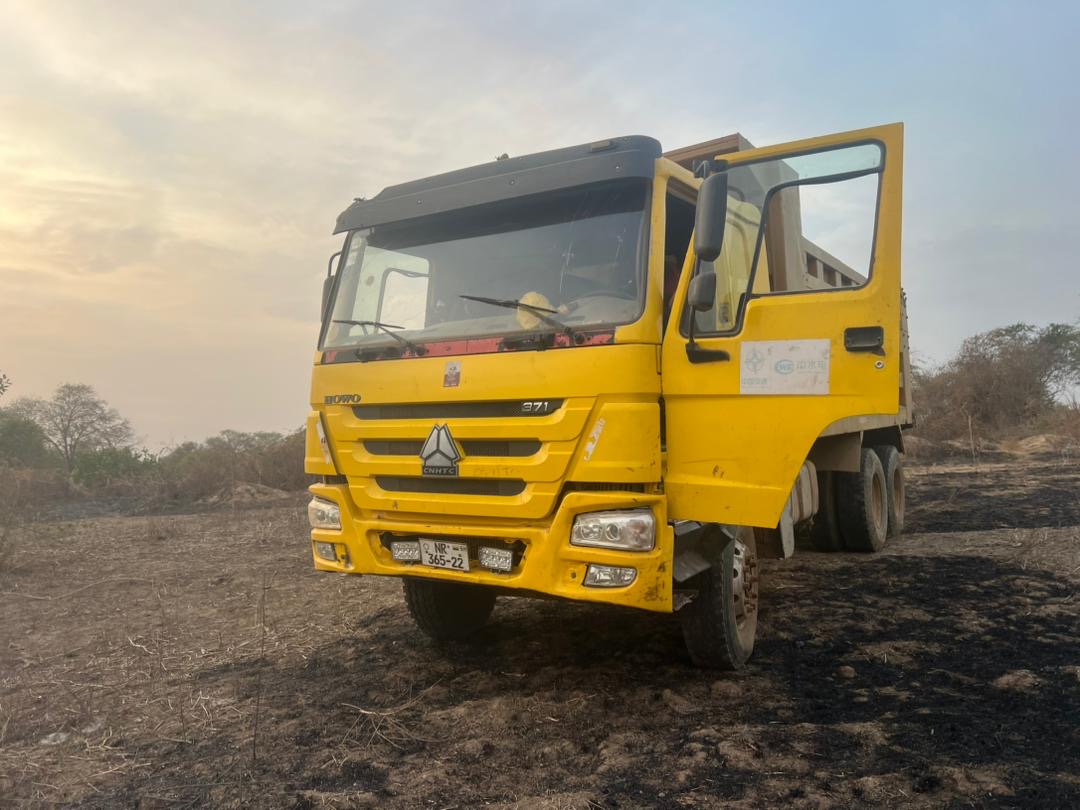
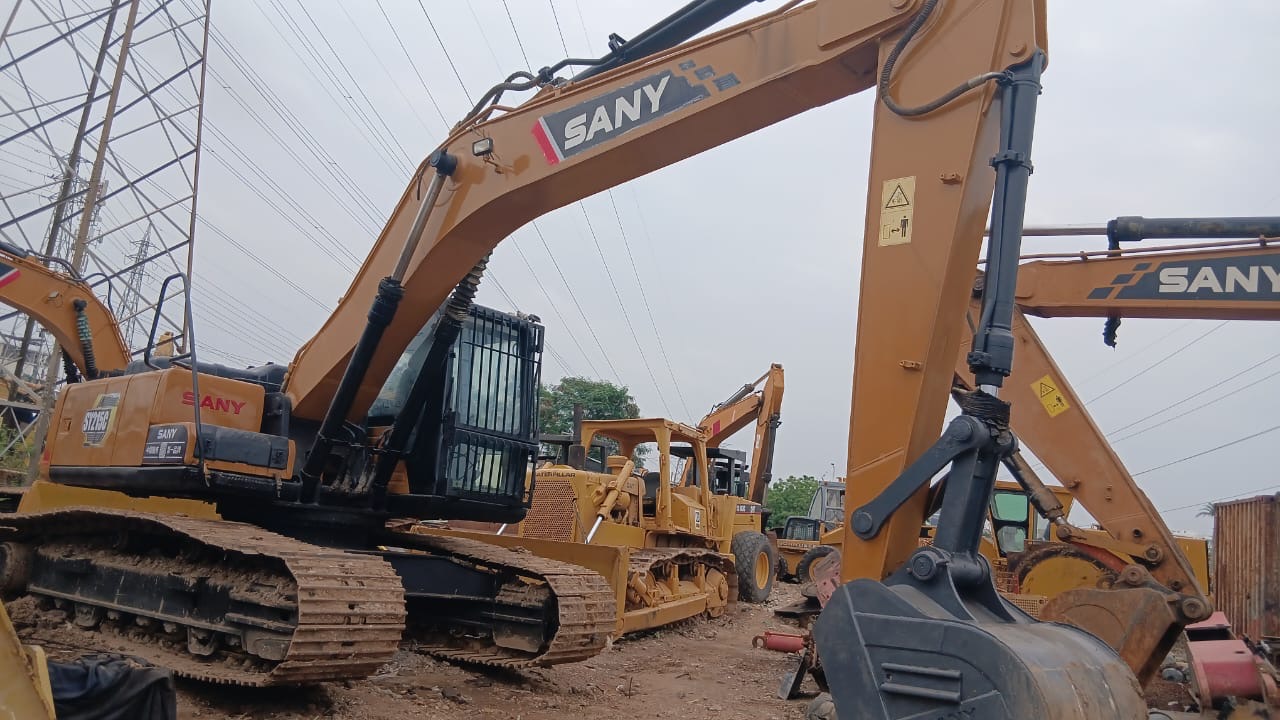
Chinese equipment manufacturers are emerging as increasingly formidable competitors in the global mining equipment market. Global mining equipment market research indicates that Chinese manufacturers’ global market share in mining trucks and excavators is likely to reach over 20% by 2030. Domestic securities firms note that overseas mining equipment leaders have generally seen accelerating revenue and new order growth in 2025, with Chinese manufacturers achieving strong export growth while maintaining higher gross margins on overseas sales.
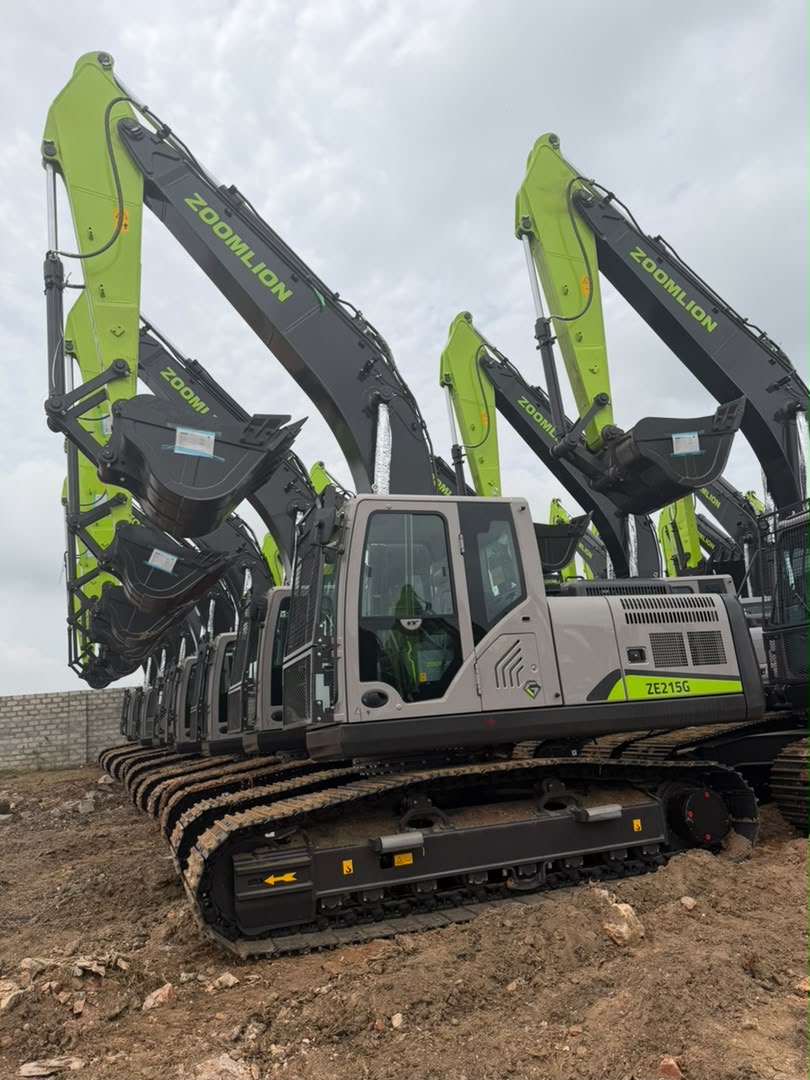
Zoomlion shipped approximately 15,000 units valued at about 8.5 billion yuan (US$1.2 billion) in the first two months of 2026 alone, with a significant portion bound for 23 countries including Germany, Australia, and the UAE. Over 3,700 units of earthmoving and mining machinery, valued at around 2.3 billion yuan (US$335 million), were shipped from its manufacturing facilities. The company has integrated humanoid manufacturing robots to produce a new battery-electric excavator every six minutes.
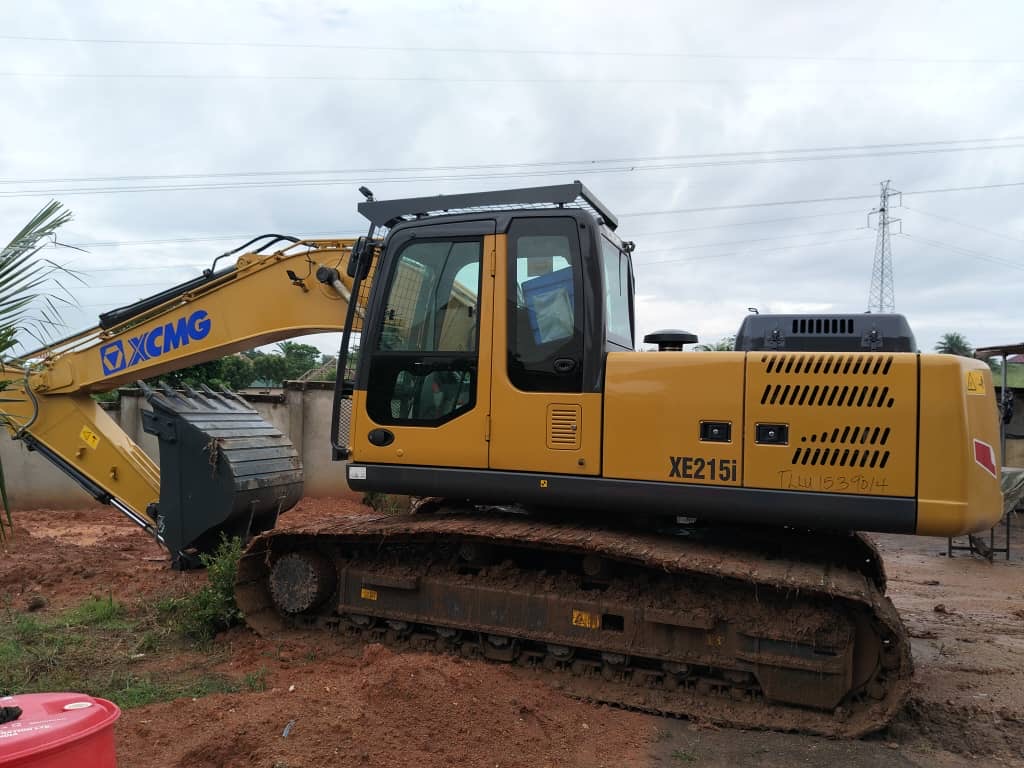
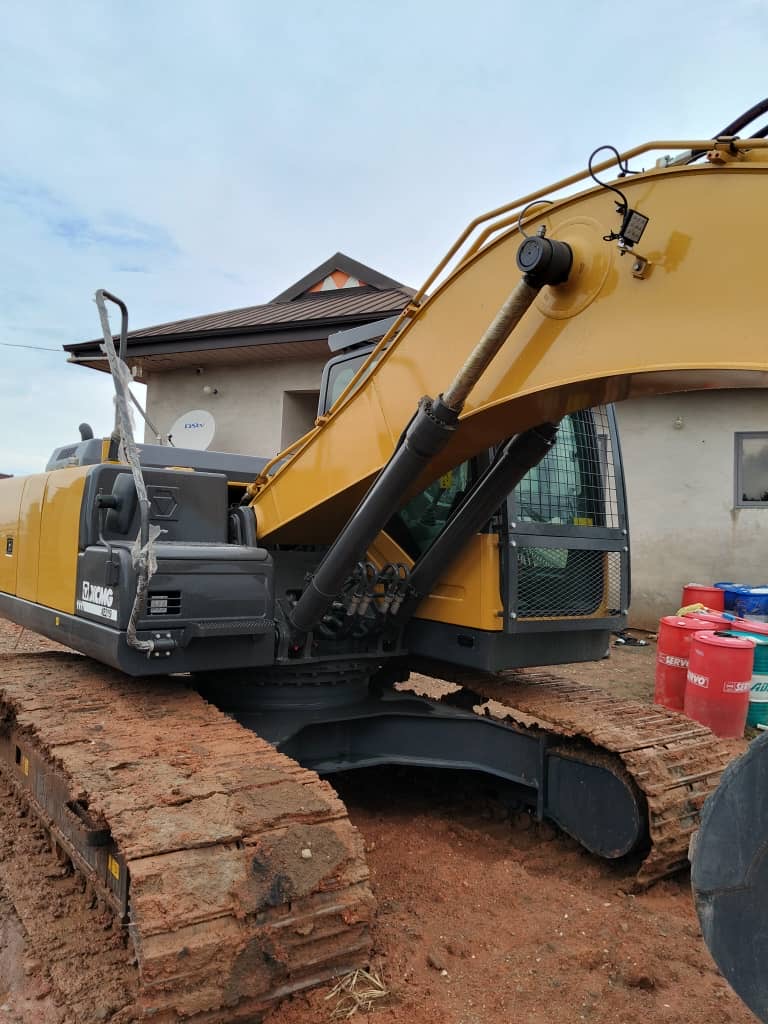
XCMG showcased its full-scenario mining solutions at Mining Indaba 2026 in Cape Town, presenting a comprehensive portfolio spanning pure electric, hybrid, and multi-fuel power systems covering the entire mining process chain of drilling, excavation, hauling, and dumping. The company’s unmanned solutions cover the full mining workflow, enabling various levels of intelligent on-site operations.
Other Chinese manufacturers are also making significant strides. Shantui Construction Machinery has set an ambitious target of achieving 10.5 billion yuan (US$1.45 billion) in overseas sales revenue in 2026. Citic Heavy Industries reported that its overseas business maintained 47% year-over-year growth momentum from the previous year, with products exported to more than 60 countries and regions.
Supply Chain Constraints: The Hidden Bottleneck
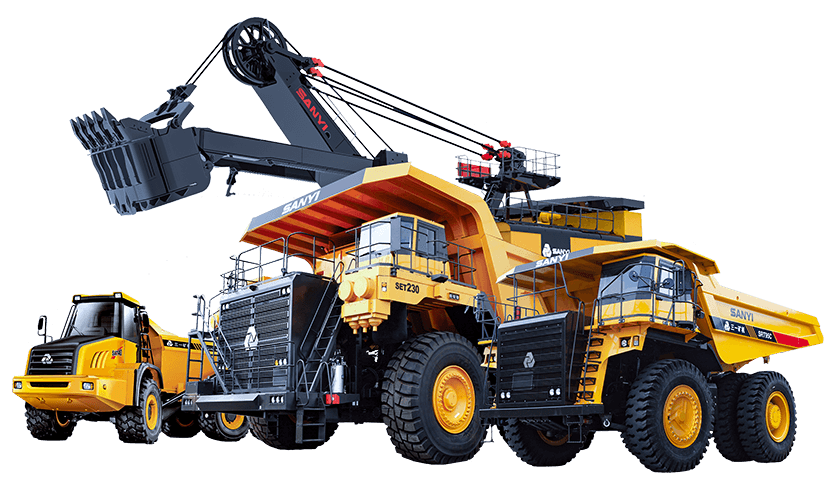
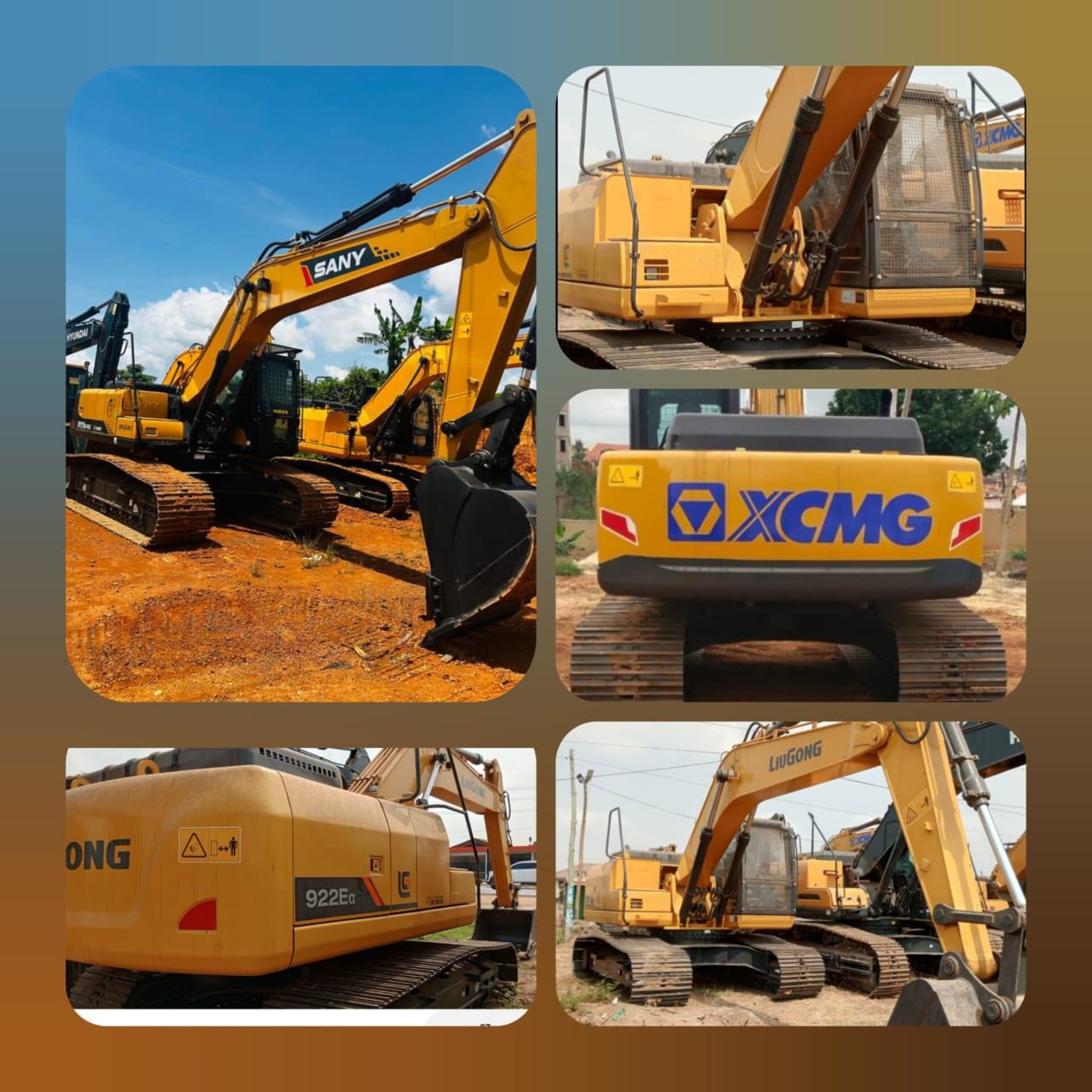
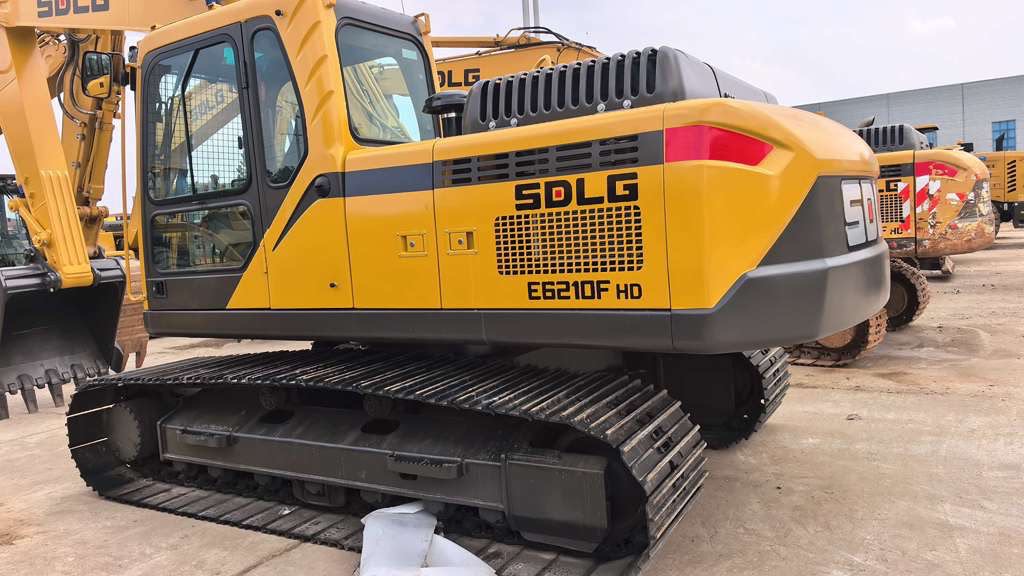
Despite surging demand, the mining equipment industry faces significant supply chain challenges that threaten to constrain growth. Disruptions in shipping, manufacturing, logistics, and geopolitics now directly affect the availability, lead times, and cost of mining equipment worldwide. Mining supply chains are uniquely vulnerable because equipment is highly specialized, many components are sourced from a limited number of global OEMs, and lead times are long—often measured in months rather than weeks.
Caterpillar is experiencing significant delays in its engine production timelines, with lead times increasing by approximately 20 weeks since mid-September 2025. Some high-speed gas engines face waits as long as 107 weeks, largely attributed to a spike in demand from data centers seeking power solutions. However, the company remains optimistic about mining demand, expecting copper and gold sectors to be primary drivers of increased mining market demand and sales in 2026. Caterpillar is guiding for total 2026 incremental tariff costs of approximately US$2.6 billion.
Komatsu faces a more cautious outlook. A prolonged slowdown in mining equipment demand, including a projected full-year contraction of 10% to 15%, and weak Indonesian coal prices could limit growth in high-ticket equipment sales. PT United Tractars, Komatsu’s distributor in Indonesia, targets flat sales in 2026 as the company takes a measured outlook amid shifting dynamics in the mining and construction sectors.
Paradoxically, while equipment supply chains are strained, the mining industry faces an even more acute bottleneck: workforce shortages. Despite a global drilling equipment surplus, exploration programs face 6-8 month delays from financing announcement to field deployment due to crew availability constraints rather than equipment limitations. The crew identification and contracting phase has doubled in duration compared to pre-2024 timeframes, reflecting the competitive environment for experienced drilling teams. Available drilling capacity exceeds current utilization rates by 25-40% across all major mining jurisdictions, indicating that equipment scarcity is not constraining exploration activity—human capital is.
This workforce constraint has extended capital deployment lags from 4-5 months historically to 6-8 months in 2026. Regional variations in deployment speed correlate directly with local crew availability rather than equipment capacity. North American programs average 24 weeks from financing to drilling, while Australian programs require 28-32 weeks, and African operations extend to 32-40 weeks due to limited local expertise.
Technology Trends: Electrification and Automation
The 2026 mining equipment boom is being shaped by two powerful technological trends: electrification and automation. These innovations are not only improving operational efficiency but also helping mining companies meet increasingly stringent environmental standards.
Electrification is gaining significant momentum. Epiroc’s US$40 million African order for Pit Viper 275 E blasthole drill rigs—cable-electric machines designed to operate fully autonomously—represents a major milestone. These rigs eliminate the need for diesel fuel, producing zero direct exhaust emissions, and can drill single-pass holes reaching depths of up to 59.4 meters. The deal reflects rising demand for low-emission mining equipment as companies seek to decarbonize operations in line with global climate goals.
ABB has published a step-by-step guide to building an all-electric mine, highlighting that every site can take steps toward an “all-electric mine” where small, smart shifts deliver significant performance gains. ABB is providing electrical solutions that transfer energy to mining vehicles, alongside automation and digital technologies that help optimize energy usage, production planning, and operational management. Electric mining equipment generally requires less maintenance than fossil-fuel-based machinery, resulting in cost benefits.
Automation and AI are transforming mining operations. Mining operations are increasingly adopting automation, artificial intelligence, and real-time systems to improve safety, efficiency, and decision-making. Autonomous equipment, remote operating centers, and AI-enabled analytics are helping operators manage complexity and reduce operational risk. XCMG’s unmanned solutions cover the full mining workflow, enabling various levels of intelligent on-site operations. Zoomlion has integrated AI into its manufacturing, management, and construction plans, using humanoid robots to build new battery-electric excavators at unprecedented speed.
Major trends in the forecast period include increasing adoption of autonomous and semi-autonomous mining equipment, rising demand for high-capacity heavy-duty mining machinery, and growing emphasis on operational efficiency and productivity.
Investment Implications
The gold-driven equipment cycle has created distinct investment opportunities. Epiroc and Sandvik are particularly well-positioned due to their significant gold exposure and strong aftermarket businesses. J.P. Morgan notes that Sandvik’s drilling, rock processing, and automation technologies give it a strong position in underground mining, while its large aftermarket business provides stable recurring revenues.
FLSmidth offers meaningful leverage to the copper mining cycle, which J.P. Morgan sees as a major long-term investment theme tied to the global energy transition. Copper demand is expected to grow as electrification accelerates through renewable energy, electric vehicles, and grid expansion.
Chinese manufacturers present a different value proposition. With global market share in mining trucks and excavators likely to reach over 20% by 2030 and higher margins on overseas sales, companies like Zoomlion, XCMG, and Shantui are capturing market share in emerging markets while increasingly penetrating developed markets.
However, investors should be mindful of risks. The gap between gold and non-gold capex growth rates is the widest since 2016, meaning companies with limited gold exposure may underperform. Supply chain disruptions, particularly Caterpillar’s extended engine lead times and global shipping volatility, could constrain equipment availability and delay project timelines. The workforce shortage represents an even more fundamental constraint that no amount of equipment investment can immediately resolve.
Conclusion
The 2026 gold boom has unleashed a powerful wave of demand for mining equipment that promises to reshape the global industry for years to come. With gold prices holding above US$5,000 per ounce and major banks forecasting further gains, mining companies are rapidly expanding capital expenditures, driving double-digit order growth for equipment manufacturers with significant gold exposure.
Yet this boom is unfolding against a backdrop of significant constraints. Supply chain disruptions, extended lead times, and—most critically—a severe shortage of skilled drilling crews threaten to cap the industry’s growth potential. The paradox of adequate equipment but insufficient human capital to deploy it represents the defining challenge facing mining exploration in 2026.
The technological transformation toward electrification and automation offers a path forward. As Epiroc’s autonomous electric drill rigs and XCMG’s unmanned mining solutions demonstrate, innovation is enabling mining companies to achieve higher productivity with fewer personnel while simultaneously reducing environmental impact. The companies that successfully navigate the intersection of surging demand, supply chain resilience, and technological innovation will emerge as the enduring winners of this gold-driven equipment boom.
For mining equipment manufacturers, the message is clear: the golden era has arrived. The question is not whether demand will continue, but whether the industry can overcome the constraints of supply chains and workforce shortages to fully capture it.