
Although specific forecast data for the excavator rental market varies across research firms, the consensus indicates a clear trajectory of steady growth globally from 2025 to 2035. The market is being reshaped by a confluence of factors: large-scale infrastructure investments, a powerful shift toward asset-light rental models, and the rapid integration of digital technologies like telematics and IoT. Below is a comprehensive analysis of the market, bringing together the latest data and insights from leading industry reports.
📊 Market Size & Growth Forecast Multiple authoritative sources confirm that the global excavator rental market is on a solid growth path, though with some variation in absolute figures depending on market definition.
Global Market Outlook (General Construction Equipment Rental): This broader market, which includes excavators, is projected to grow from approximately USD 160 billion in 2025 to USD 277 billion by 2035, at a CAGR of 5.7% .
Global Market Outlook (Heavy Construction Equipment Rental): This specific segment, which heavily features excavators, is expected to grow from USD 98.8 billion in 2025 to USD 146.4 billion by 2035, with a CAGR of 4.0%.
Global Market Outlook (Specialized Excavator Rental Services): For a more focused view, the excavator rental service market is valued at USD 60 billion in 2025 and projected to reach USD 85 billion by 2035, growing at a CAGR of 3.6%.
Alternate Estimates (Specialized Excavator Rental Market): Some reports estimate the market size to be smaller, starting at USD 23.99 billion in 2025 and reaching USD 36.18 billion by 2035, with a CAGR of 4.19%. Another source suggests a market value of USD 13.8 billion in 2025, growing to USD 20.5 billion by 2035, with a CAGR of 4.0%.
Note: These variations are typical due to differences in how each research firm defines the market scope (e.g., including/excluding mining, forestry, or certain equipment types). Regardless, they all point toward consistent, positive expansion.
📈 Market Segmentation & Leading Players By Excavator Type Crawler Excavators: Remain the dominant segment, especially favored for heavy-duty tasks like large-scale earthmoving and demolition. In North America alone, this segment holds a commanding 36.28% revenue share of the construction equipment rental market. Globally, crawler excavators account for an estimated 60.0% of all excavator rental demand.
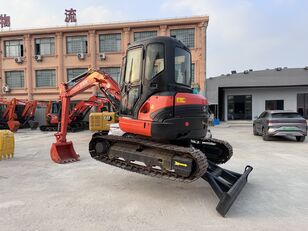
Mini & Compact Excavators: This is the fastest-growing segment, driven by urbanization, the need for equipment in confined spaces, and the rise of small-scale contractors. The mini excavator market is projected to grow from USD 11.16 billion in 2025 to USD 19.71 billion by 2035, with a robust CAGR of 5.85%. The mini excavator rental sub-segment alone is expected to increase from USD 5.1 billion in 2025 to USD 7.5 billion by 2035.
Wheeled & Hybrid Excavators: Wheeled excavators are gaining traction for their mobility on paved surfaces, while hybrid models are emerging as a sustainable option, aligning with stringent environmental regulations.
By Application Infrastructure & Civil Engineering: This is the largest application segment, holding a 45.10% share of the North American rental market in 2025, driven by massive public works projects and government funding.
Construction (Residential & Commercial): A significant and stable driver, particularly for mini and mid-sized excavators.
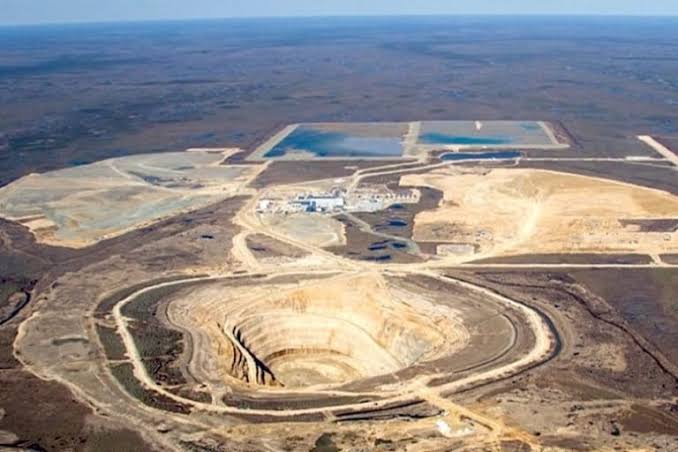
Mining, Landscaping, & Utility: These represent important niche markets, with mining demanding large, heavy-duty excavators, and landscaping favoring compact, versatile models.
By Rental Duration Medium-term contracts (1–12 months): The most popular choice, capturing 45.30% of the North American market in 2025. This offers contractors a balance of cost and flexibility for projects of typical duration.
Short-term Rentals (daily/weekly): The fastest-growing segment, with an expected CAGR of 8.55% in North America, reflecting the rise of just-in-time equipment access for peak demand or specialized tasks.
Regional Breakdown North America: The largest regional market, capturing over 50% of global revenue, valued at approximately USD 159.8 billion in 2025 for the broader construction equipment rental market. The US dominates, accounting for an 82.21% share within North America. The North American heavy-duty construction equipment market is projected to reach USD 104.1 billion by 2035 at a CAGR of 4.7%. Key drivers include the U.S. Infrastructure Investment and Jobs Act (IIJA), which is allocating USD 550 billion of new spending for transportation, energy, and water systems, directly fueling demand for rental equipment. The North American mini & mid excavator market is also expanding at a 4.4% CAGR through 2032, with the US market expected to hit USD 4.35 billion by 2032.

Asia-Pacific: The fastest-growing region, fueled by rapid urbanization and large-scale infrastructure projects in countries like China and India. The region’s heavy equipment market is forecast to grow from USD 88.2 billion in 2025 to USD 172.6 billion by 2035, registering a strong CAGR of 6.8%. Government initiatives for smart cities and transport networks are major catalysts.
Europe: A mature but growing market, with a focus on replacing aging infrastructure and adopting sustainable construction practices. The European construction equipment market is projected to grow from USD 198.5 billion in 2025 to USD 355.5 billion by 2035 at a CAGR of 6.0%. The heavy construction equipment segment is expected to see even higher growth, with a CAGR of 7.07% during the forecast period. Stringent EU emissions regulations are driving demand for electric and low-emission rental fleets.
Key Industry Players & Competitive Landscape The excavator rental market is fragmented but dominated by a few global leaders:
United Rentals (US): The undisputed market leader, holding an estimated 15% market share in North America. It continues to expand its fleet and digital capabilities, maintaining its competitive edge.
Sunbelt Rentals (US/UK): A major competitor with an estimated 11% market share, owned by Ashtead Group.
Other Major Players: Herc Rentals, H&E Equipment Services, Loxam (France), Kanamoto, Aktio, and Nishio Rent All (Japan) are significant regional and global players.
Market Dynamics: The top 5 players collectively hold around 22% of the global construction equipment rental market, indicating significant opportunity for regional and specialized players.
🔍 Key Drivers & Trends Shaping the Market Drivers Massive Infrastructure Investment: Government stimulus and public-private partnerships worldwide are flooding the market with funds for roads, bridges, railways, and renewable energy projects. This creates sustained, long-term demand for rented excavators and other heavy machinery.
Shift to Asset-Light Models: Construction companies, especially small-to-midsize contractors, are increasingly choosing to rent rather than buy equipment. This strategy preserves capital, reduces maintenance and storage costs, and provides flexibility to scale operations up or down according to project needs.
Technological Advancements: The integration of telematics, IoT sensors, GPS tracking, and predictive maintenance software into rental fleets is a game-changer. These technologies enhance operational efficiency, reduce downtime, improve safety, and allow rental companies to offer value-added services like real-time performance monitoring.
Urbanization & Construction Activity: Rapid urban growth, especially in developing nations, drives the need for space-constrained construction equipment. Mini excavators are in high demand for utility work, landscaping, and residential projects in dense urban environments.
Sustainability & Emission Regulations: Stricter environmental norms are pushing both contractors and rental firms toward greener options. There is a growing demand for electric, hybrid, and fuel-efficient excavators, as they help companies meet sustainability goals and comply with low-emission zones in cities.
Trends Rise of Digital & Online Rental Platforms: Offline channels still dominate (78.6% in North America), but online platforms are growing at a CAGR of 9.65% as contractors seek convenience, price transparency, and faster booking. Companies like United Rentals are launching subscription-based rental offers with simplified billing and guaranteed availability.
Electrification of Rental Fleets: Major manufacturers like Bobcat, Volvo CE, Caterpillar, and John Deere are introducing electric compact excavators (e.g., Bobcat E10e, Volvo ECR25 Electric), and rental firms are adding these to their fleets to meet rising customer demand and comply with regulations.
Emphasis on Operator Training & Support: With a skilled labor shortage (estimated at 439,000 additional workers in the US in 2024), rental companies are increasingly providing trained operators along with equipment. This “rental-with-operator” model ensures productivity and safety, especially for complex machinery.
Consolidation & Strategic Partnerships: The market is seeing continued consolidation as large players acquire smaller regional firms to expand their geographic footprint. Strategic partnerships, such as the one between Sunbelt Rentals and Caterpillar to deploy Cat Connect telematics, are also common to enhance service offerings and technological capabilities.
🚧 Restraints & Challenges High Acquisition & Maintenance Costs: Rental companies must make significant capital investments to purchase and maintain modern, technologically advanced fleets. This creates a high barrier to entry and pressures profit margins.
Economic Sensitivity: Demand for construction equipment rentals is directly tied to the health of the broader economy. An economic downturn or a slowdown in construction activity could rapidly depress rental revenues.
Equipment Availability & Utilization: During peak construction seasons or in rapidly growing markets, rental companies may face shortages of popular equipment types, leading to customer dissatisfaction and lost revenue opportunities.
Skilled Operator Shortages: Even with rental equipment, a lack of skilled operators to use the machinery efficiently can limit project execution and, consequently, rental demand.
Geopolitical & Supply Chain Risks: Events