
The Japanese heavy equipment market is navigating a complex landscape, marked by a short-term slowdown in domestic demand but driven by significant long-term growth potential. While the broader construction equipment market is projected to grow at a 6.20% CAGR through 2034, the heavy construction equipment segment (the focus of this report) is expected to see more moderate growth, at a 3.70% CAGR, reaching approximately $7.4 billion USD by 2034.

The following table summarizes the key figures from the most recent market data:
Market Definition and Coverage
This report covers heavy construction equipment, which refers to large-scale machinery for tasks like material handling, tunnel excavation, waste management, and heavy lifting. This segment includes equipment such as:
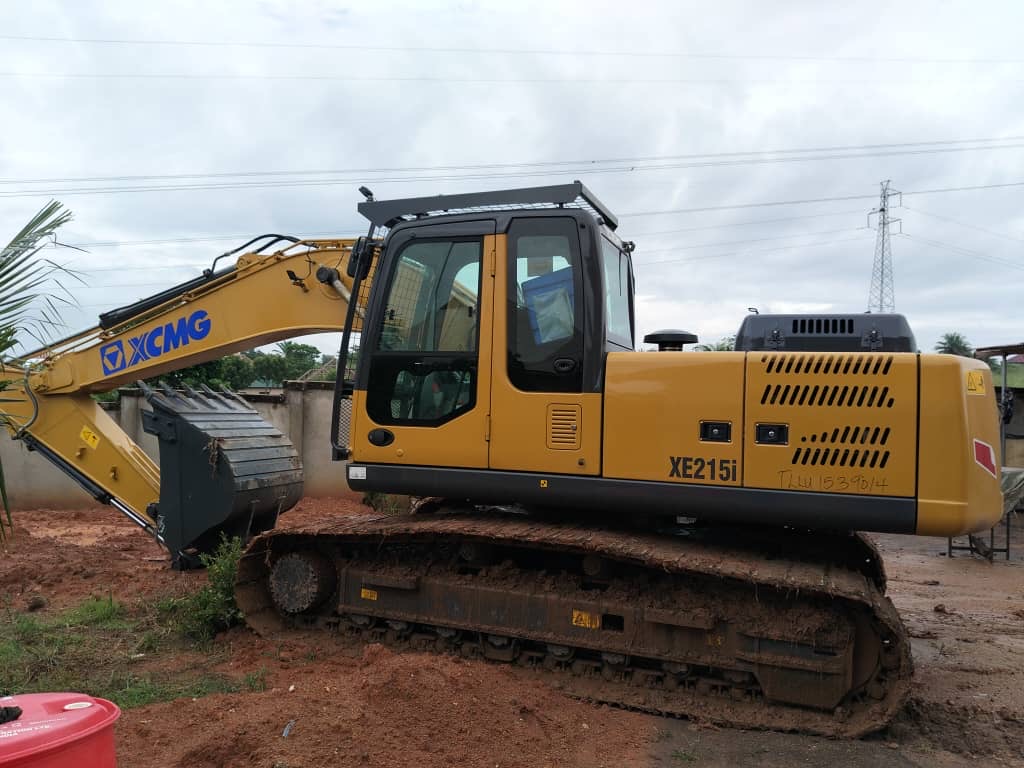
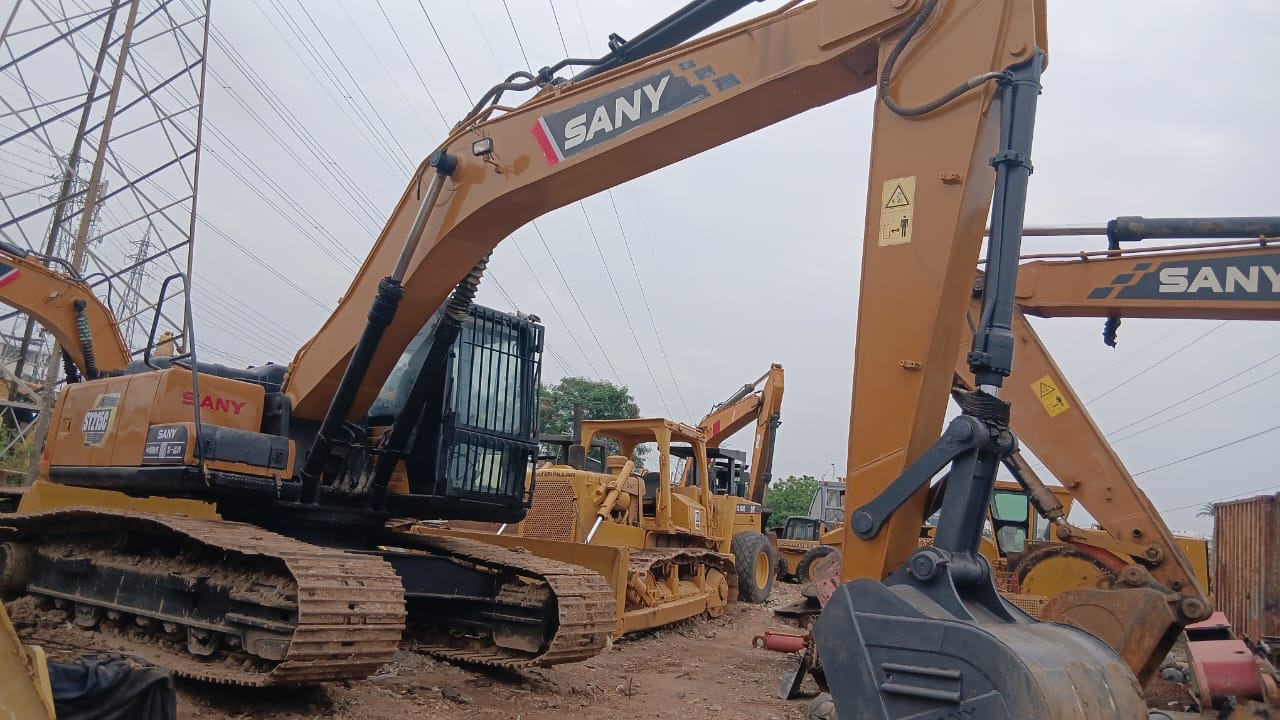
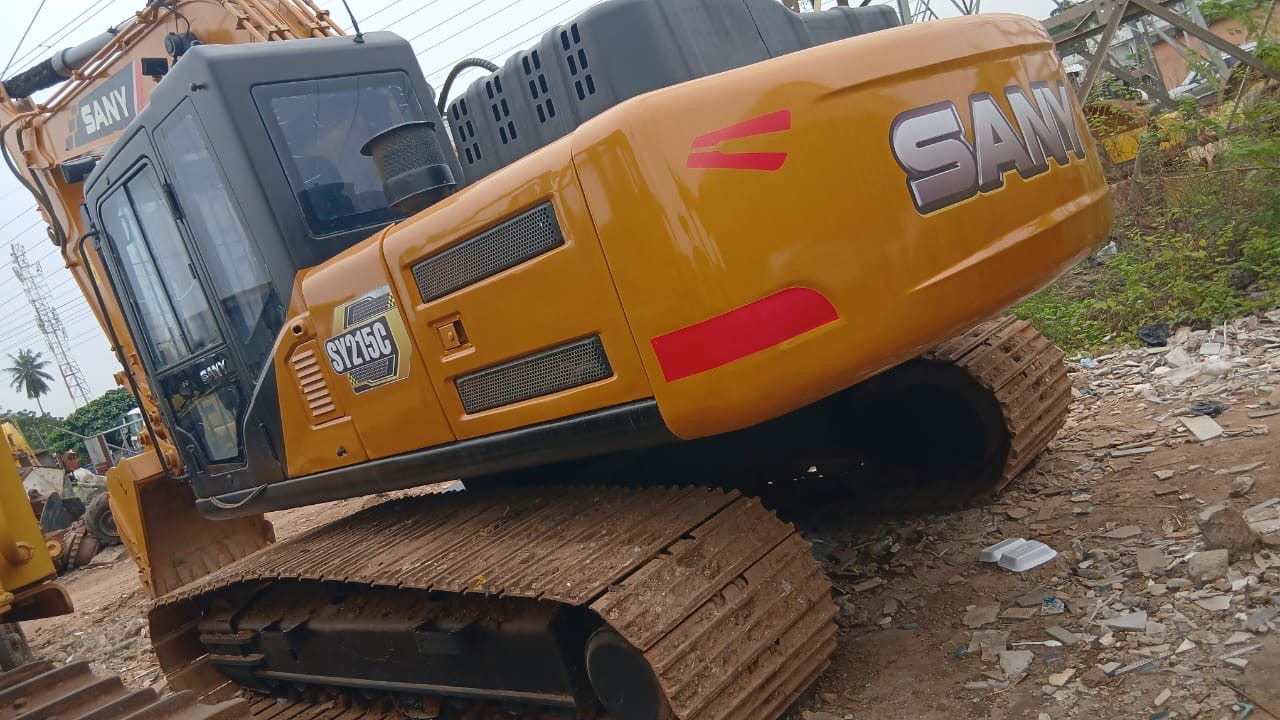
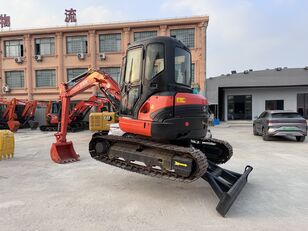
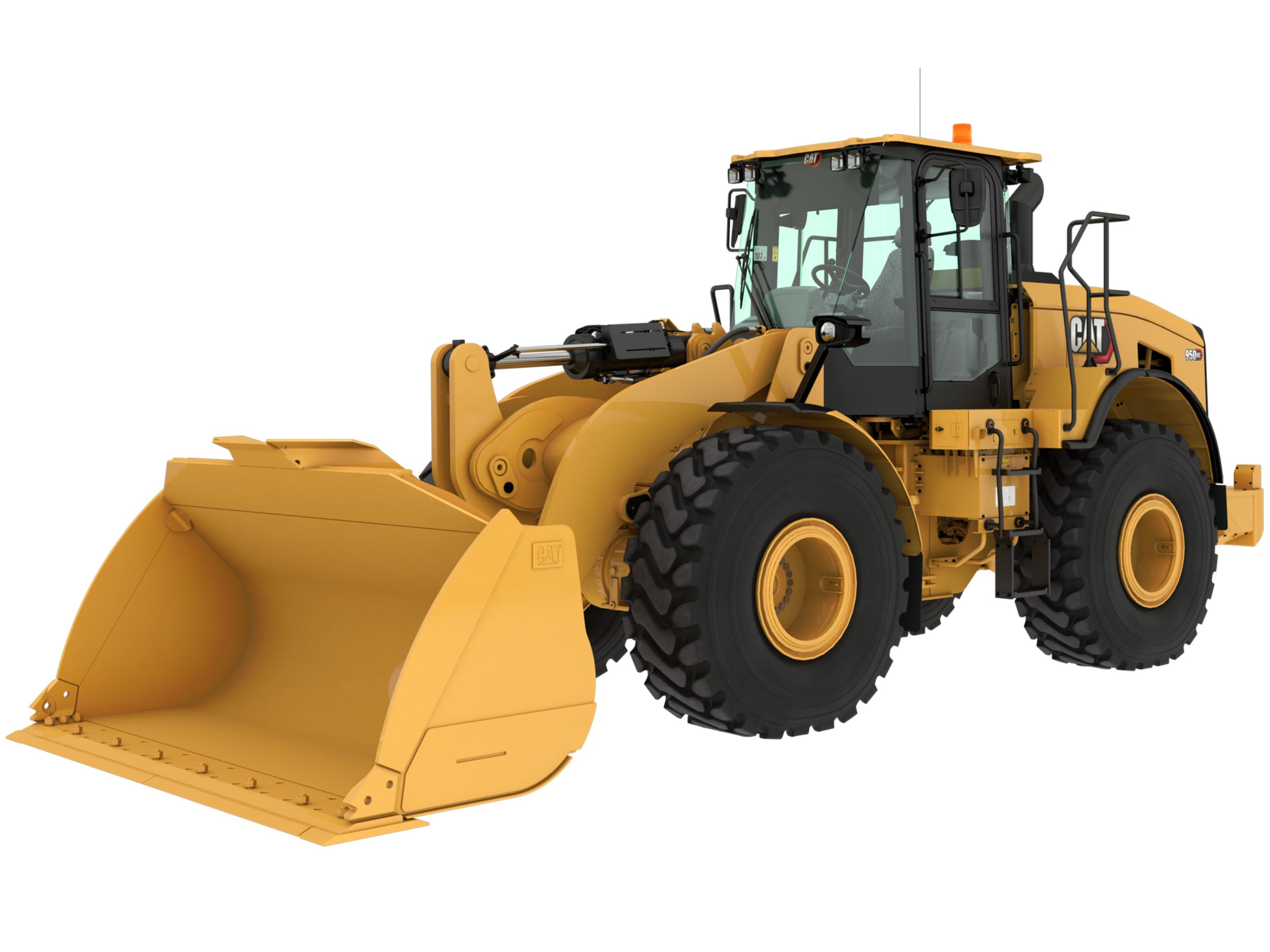
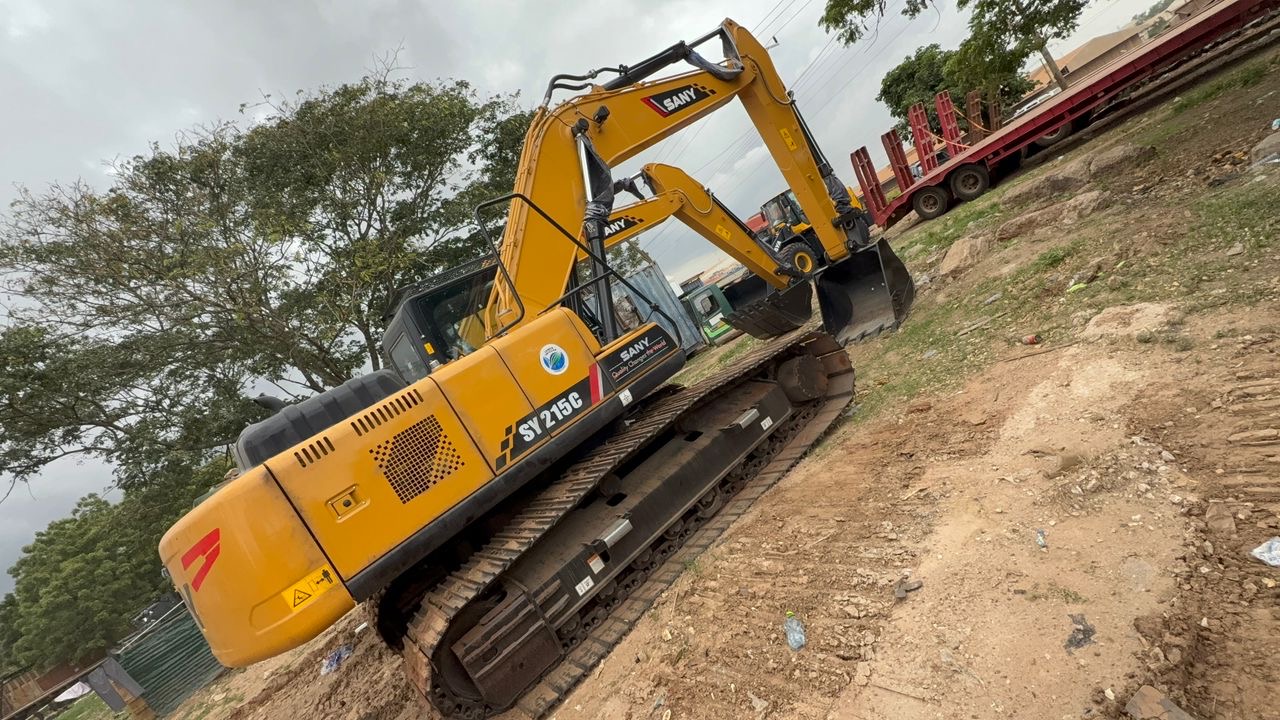
- Earthmoving Equipment: Excavators, bulldozers, loaders, and motor graders.
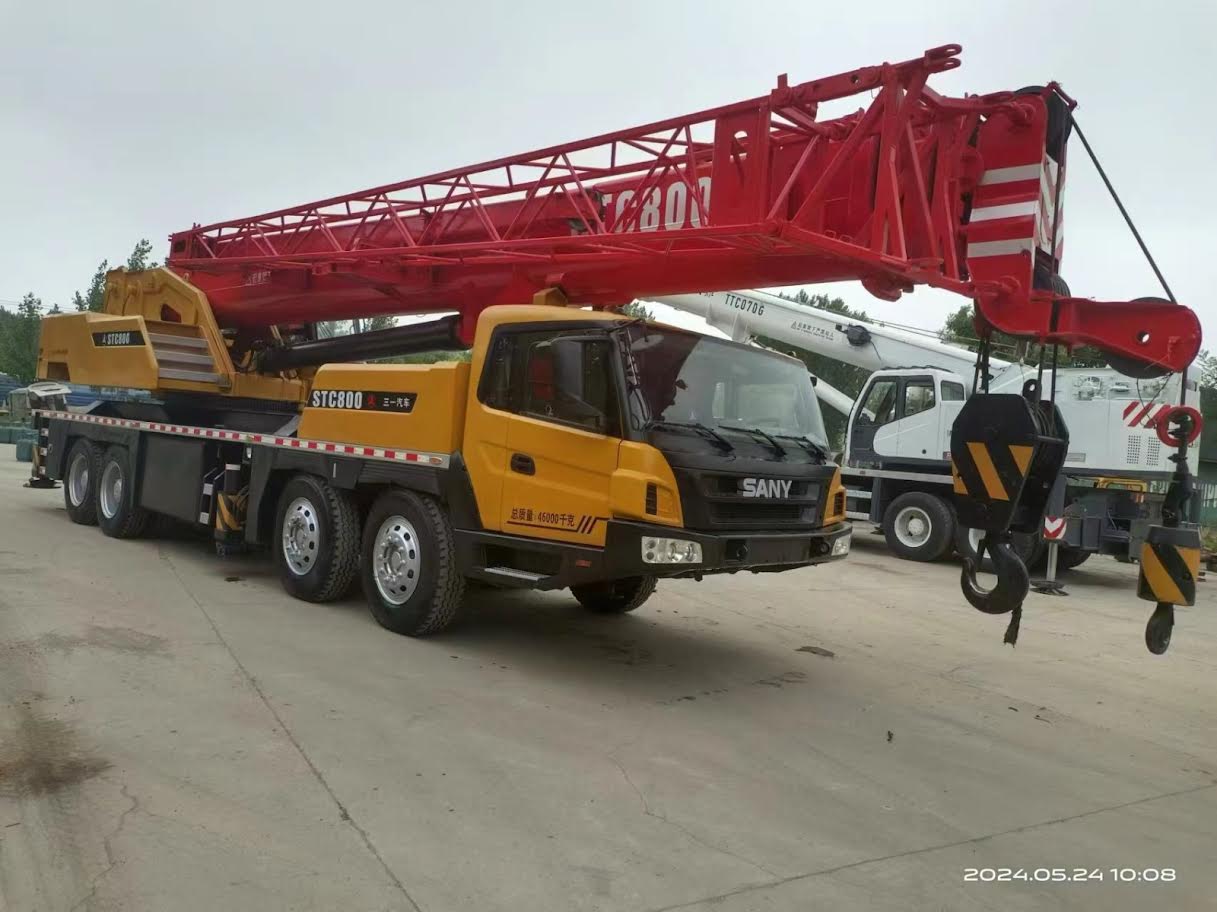
- Material Handling Equipment: Cranes and forklifts.
- Heavy Construction Vehicles: Dumpers and tippers.
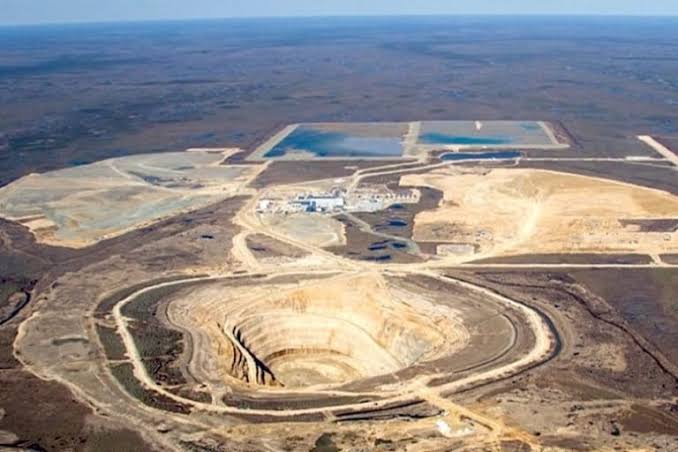
The primary end-users for this equipment are the infrastructure, construction, mining, oil & gas, and manufacturing sectors.
This analysis is based on data from the Japan Construction Equipment Manufacturers Association (CEMA) and leading market research firms including IMARC, 6W Research, TechSci Research, and Fortune Business Insights.
Segment Analysis
- By Equipment Type: The market is segmented into earthmoving equipment, material handling equipment, heavy construction vehicles, and others, with earthmoving equipment holding the largest market share. A detailed forecast for the Japan crawler excavator market projects growth from 57,500 units in 2023 to 69,146 units by 2029, representing a 3.12% CAGR.
- By Region: The Kanto region, which includes Tokyo, is the dominant market. It accounted for 43.2% of the loaders market in 2025, driven by major urban redevelopment projects. The Kansai/Kinki region (including Osaka) and the Central/Chubu region are also significant markets.
- By End-User: Infrastructure and construction are the largest end-user segments, though mining and oil & gas also present substantial opportunities.
Recent Performance (2025)
- Total Shipments Dip, Then Rebound: Total shipments for the 2025 calendar year (CY) fell 1.3% year-on-year to JPY 3.4124 trillion, marking the second consecutive annual decline. However, for the fiscal year 2025 (FY2025, ended March 2026), total shipments increased by 3.7% to JPY 3.5217 trillion, the first increase in two years.
- Exports vs. Domestic: This “fiscal year” rebound was driven by exports, which grew 5.3% year-on-year, while domestic shipments remained weak.
- Divergent Product Performance: In the calendar year, demand for key equipment types showed contrasting trends.
- Positive Growth: Construction cranes (+2.3%), road machinery (+5.0%), concrete machinery (+11.1%).
- Negative Growth: Hydraulic excavators (-10.4%), tractors (-17.6%).
- Contrasting Regional Export Demand: Export demand shifted in 2025, with Europe becoming the key driver. Exports to Europe increased by 24.6% year-on-year, while shipments to North America fell by 8.3%. Other positive markets included Asia (excluding China), up 6.7%, and Central/South America, up 25.6%.
Key Market Drivers
- Private Sector & Real Estate Growth: The heavy construction equipment market is experiencing growth due to increased private sector investments and the rapid expansion of the real estate sector. Major redevelopment projects in Tokyo, such as Shinagawa’s Takanawa Gateway City, are catalyzing demand for modern construction machinery.
- Government Infrastructure Investment: Consistent government spending on large-scale infrastructure—roads, bridges, airports, and railways—continues to drive demand for construction equipment.
- Technological Advancements: The integration of telematics, IoT, and AI is a major trend, enhancing efficiency and safety. The adoption of autonomous and electric equipment is also accelerating. Other specific technologies include hydrogen-powered equipment and remote control systems.
- Equipment Rental Market: The construction equipment rental market is robust and growing, valued at USD 12.1 billion in 2025 and projected to reach USD 20.0 billion by 2034 at a CAGR of 5.78%. The rising popularity of rental and leasing services offers companies flexibility and lower capital expenditure.
- Sustainability Focus: A growing emphasis on sustainable construction practices is fueling demand for eco-friendly and energy-efficient machinery. This aligns with Japan’s commitment to reducing carbon emissions.
Challenges
- Domestic Demand Weakness: The Japanese market faces persistent headwinds from a declining population, plateauing housing investment, and subdued domestic demand, which is a key long-term challenge.
- High Costs: The high cost of equipment purchases and leases presents a barrier, particularly for smaller construction companies, potentially limiting market growth.
- Intense Competition: Japanese firms (Komatsu, Hitachi) face intense competition from global giants like Caterpillar, Volvo, and JCB.
- Raw Material Costs: Rising costs of raw materials and potential supply chain disruptions could pose obstacles for manufacturers in maintaining competitive pricing.
Major Players
The market is highly competitive, dominated by established domestic manufacturers.
- Dominant Domestic Players: Komatsu Ltd., Hitachi Construction Machinery Co., Ltd., and Kobelco are the undisputed leaders, leveraging strong brand recognition and advanced technology. Other key domestic players include Kubota, Yanmar, Sumitomo Construction Machinery, and Takeuchi.
- Global Competitors: Caterpillar Inc. (US), Volvo Construction Equipment (Sweden), JCB (UK), and Liebherr Group (Germany) are also active and competitive in the Japanese market.
COVID-19 Impact & Recovery
- Initial Downturn: The pandemic caused a sharp decline in equipment sales. For instance, sales fell 4% in 2022 following the post-pandemic surge, and demand for hydraulic excavators dropped 23% year-on-year.
- Supply Chain Disruptions: The pandemic, along with the US-China trade friction and consumption tax hikes, led to significant production and demand contraction in 2020.
- V-Shaped Recovery: The market recovered quickly, with a V-shaped rebound in 2021-2023 as economic activity resumed. However, the recovery was followed by a period of adjustment.
Future Outlook
- Overall Positive Trajectory: The market is set for long-term growth, driven by technological innovation, infrastructure spending, and a shift towards sustainability.
- Moderate Growth in Heavy Equipment: The heavy construction equipment segment is forecast to grow at a moderate CAGR of 3.70% from 2026 to 2034, reflecting the maturity of the market.
- Rental Market Will Surge: The construction equipment rental market is expected to outpace the broader market, with a projected CAGR of 5.78%.
- Contrasting Trends in Total Shipments: CEMA forecasts that after a 3% year-on-year decline in the 2025 fiscal year, total construction equipment shipments will remain essentially flat (±0%) in the 2026 fiscal year, limited to a modest recovery in specific product types