
Akwasi Konadu, the MP for Manhyia North, has reiterated his criticism of the government’s approach to illicit mining, claiming that Ghana is failing to effectively combat galamsey.
Amid ongoing worries about illicit mining and its effects on Ghana’s waterways, forests, and farmlands, the remarks were reported on August 22, 2026. “There is no fight against illegal mining in Ghana… where is the fight,” Konadu essentially said, casting doubt on the efficacy of existing enforcement initiatives.
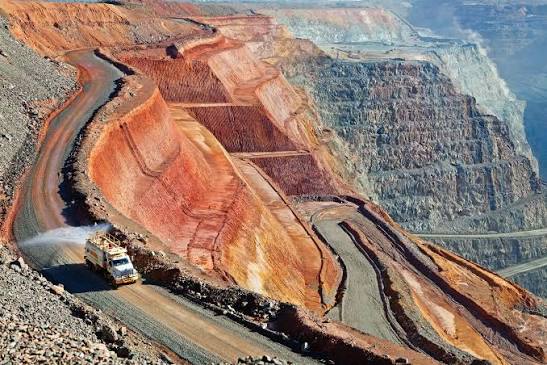
What Konadu is claiming Enforcement is not persistent or evident enough. He contends that despite official efforts to combat it, illegal mining is still pervasive. There are doubts about political commitment. Konadu has consistently urged the Mahama administration to fulfilll its campaign pledges with quantifiable outcomes. He demanded increased monitoring, institutional cooperation, and enforcement in February. The primary worry is still environmental harm. Deteriorating rivers, destroyed forests, and agricultural land are examples of how the issue has not been resolved, according to his most recent remark. Publicity is not what he wants; he wants results. Konadu contended in an August 17 piece that if miners, financiers, and illicit networks are able to reappear after security forces go, then merely confiscating equipment or carrying out enforcement actions is insufficient. The broader problem


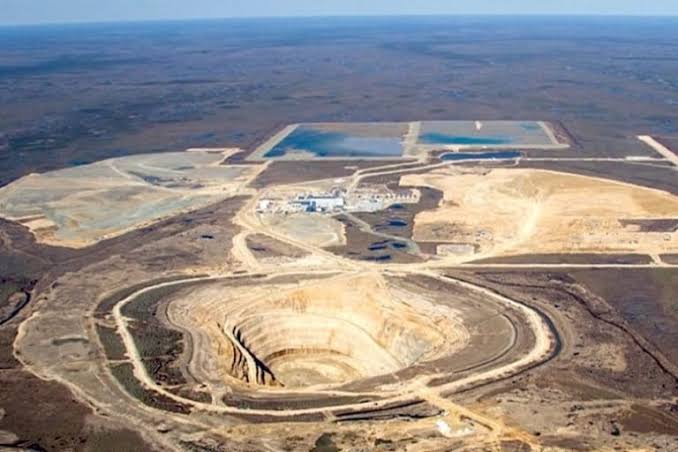
Konadu’s critique coincides with a growing political controversy surrounding Ghana’s anti-galamsey campaign. Critics, including civil society organizations, contend that enforcement must be uniform regardless of party affiliation and that unlawful mining is still pervasive despite the government’s enforcement efforts.
This aligns with Konadu’s previous stance as well. In November 2025, he called for a state of emergency in impacted mining areas and termed the government’s anti-galamsey effort a “political charade.”
In summary, Konadu’s most recent intervention is effectively a challenge to the government to show quantifiable, long-term achievements in decreasing illicit mining and rehabilitating Ghana’s water bodies and forests—not just arrests, equipment seizures, or pronouncements.Akwasi Konadu, the MP for Manhyia North, has reiterated his criticism of the government’s approach to illicit mining, claiming that Ghana is failing to effectively combat galamsey.
Amid ongoing worries about illicit mining and its effects on Ghana’s waterways, forests, and farmlands, the remarks were reported on August 22, 2026. “There is no fight against illegal mining in Ghana… where is the fight,” Konadu essentially said, casting doubt on the efficacy of existing enforcement initiatives.
What Konadu is claiming Enforcement is not persistent or evident enough. He contends that despite official efforts to combat it, illegal mining is still pervasive. There are doubts about political commitment. Konadu has consistently urged the Mahama administration to fulfilll its campaign pledges with quantifiable outcomes. He demanded increased monitoring, institutional cooperation, and enforcement in February. The primary worry is still environmental harm. Deteriorating rivers, destroyed forests, and agricultural land are examples of how the issue has not been resolved, according to his most recent remark. Publicity is not what he wants; he wants results. Konadu contended in an August 17 piece that if miners, financiers, and illicit networks are able to reappear after security forces go, then merely confiscating equipment or carrying out enforcement actions is insufficient. The broader problem
Konadu’s critique coincides with a growing political controversy surrounding Ghana’s anti-galamsey campaign. Critics, including civil society organizations, contend that enforcement must be uniform regardless of party affiliation and that unlawful mining is still pervasive despite the government’s enforcement efforts.
This aligns with Konadu’s previous stance as well. In November 2025, he called for a state of emergency in impacted mining areas and termed the government’s anti-galamsey effort a “political charade.”
In summary, Konadu’s most recent intervention is effectively a challenge to the government to show quantifiable, long-term achievements in decreasing illicit mining and rehabilitating Ghana’s water bodies and forests—not just arrests, equipment seizures, or pronouncements.