
With effect from July 1, 2026, Ghana’s Ghana Gold Board (GoldBod) has reached an agreement to buy 30% of the gold produced by all major mining firms.
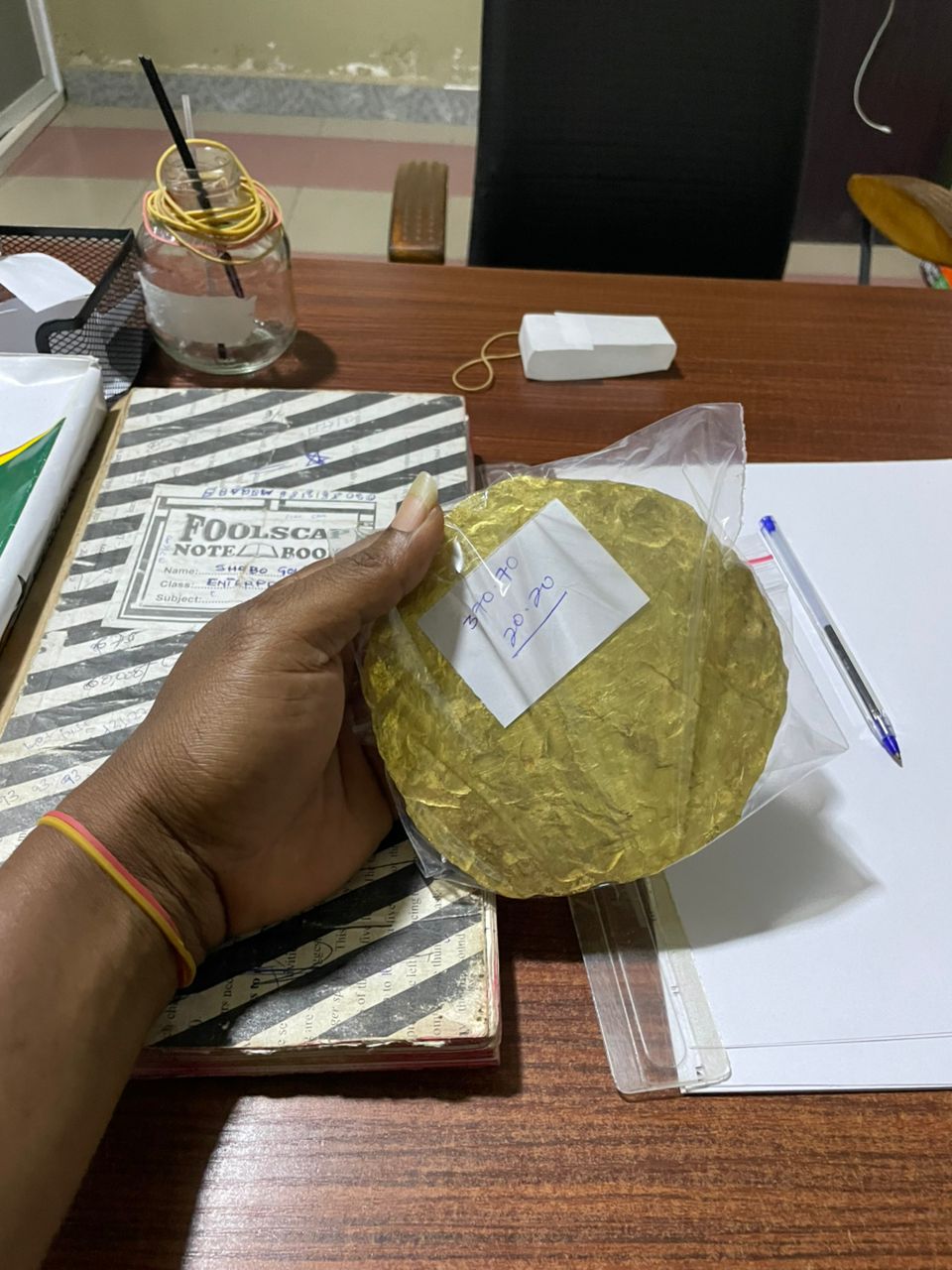
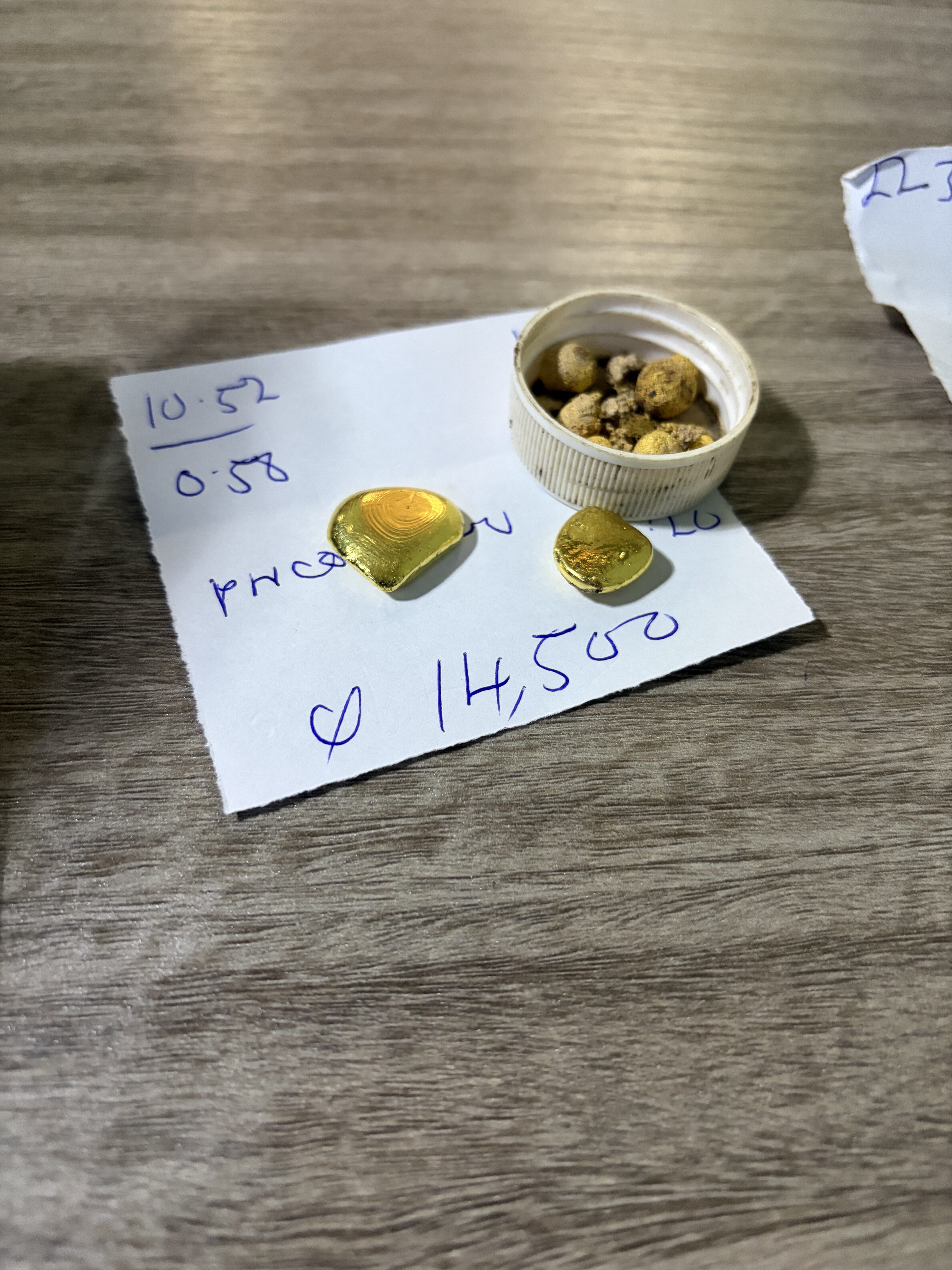
The agreement calls for each large-scale mining company to sell 30% of its output to GoldBod in Ghana. Payment: GoldBod will use the Bank of Ghana reference rate with a 0.55% discount to pay in Ghana cedis. Form: Doré, not fully refined gold, will be used for the purchases. Local refining: Before shipping the doré to a refinery recognized by the LBMA for final melting, bar casting, and stamping, GoldBod plans to refine it locally. National reserves: The completed gold will be moved to the Bank of Ghana and added to the country’s actual gold reserves. Why it’s important for Ghana
Building a sovereign gold reserve is a significant departure from merely generating foreign exchange from gold exports. It is a component of the Ghana Accelerated National Reserve Accumulation Program (GANRAP), which aims to have enough foreign reserves by 2028 to cover 15 months’ worth of imports.
Additionally, it helps Ghana achieve its goal of building up its own refining capacity and eventually getting at least one Ghanaian refinery accredited by the LBMA by 2030. More of the value produced by Ghana’s gold sector might be able to stay in the nation as a result.
The larger implications for investments

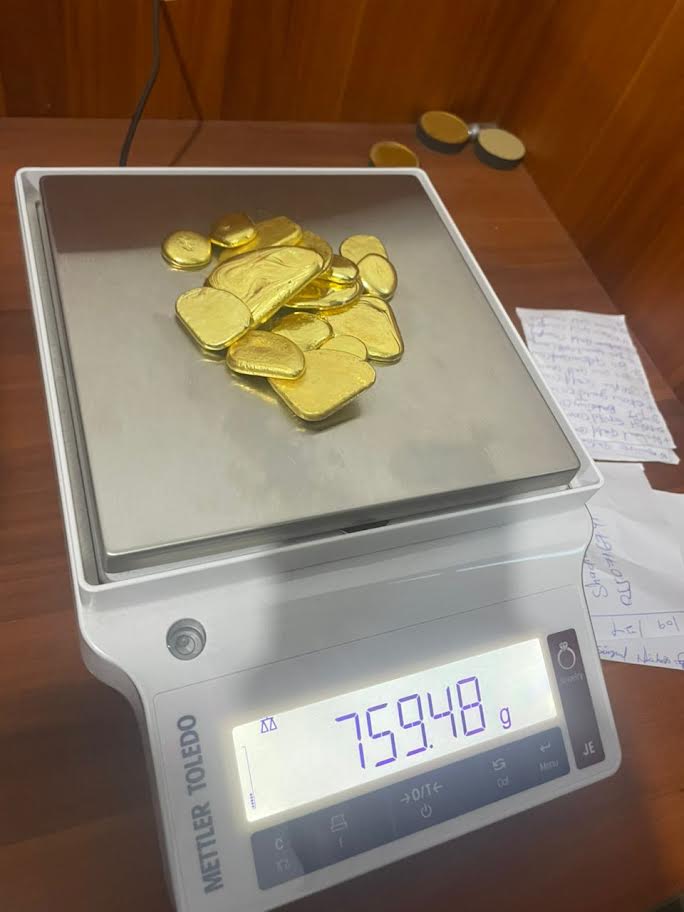
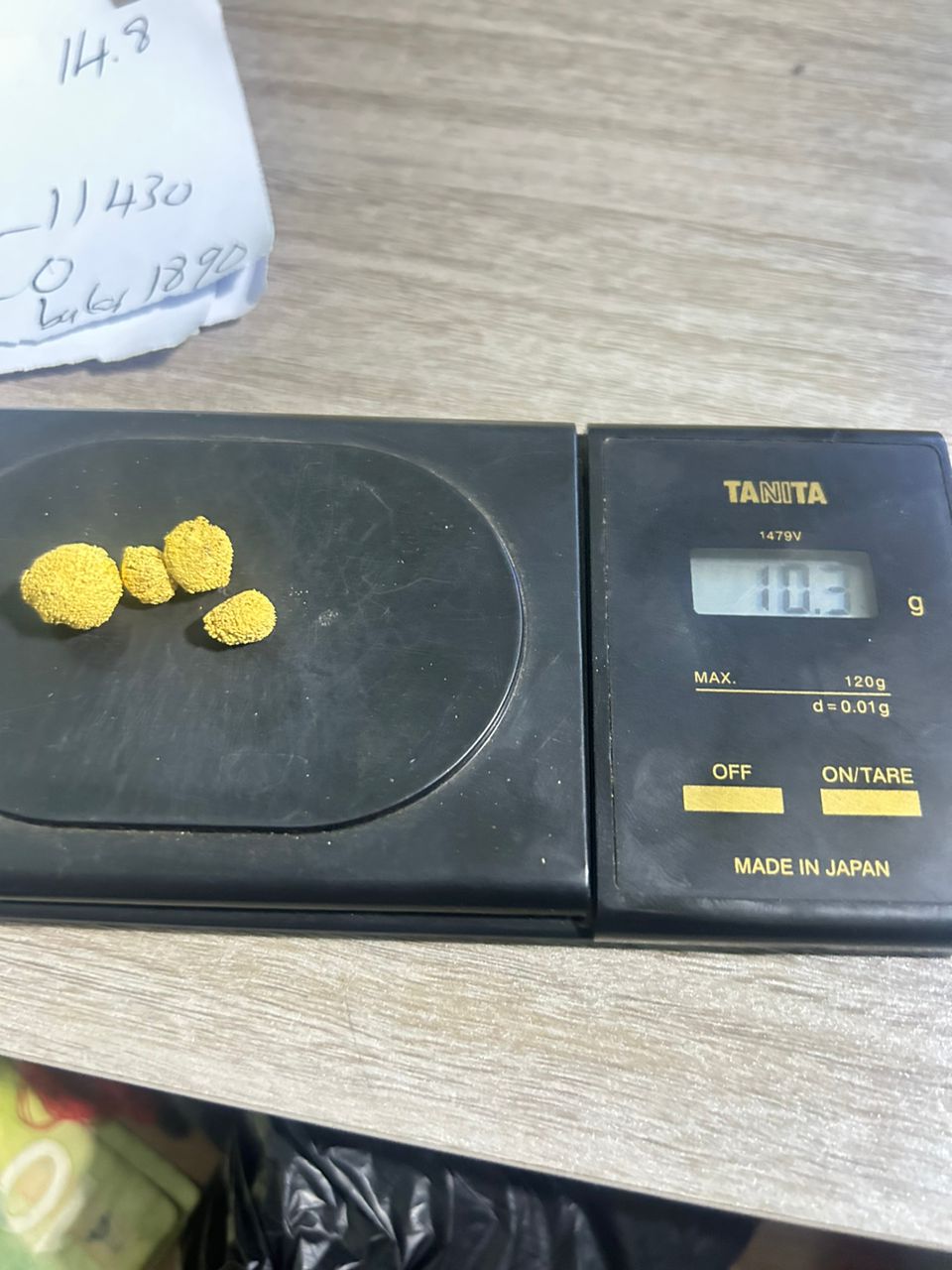
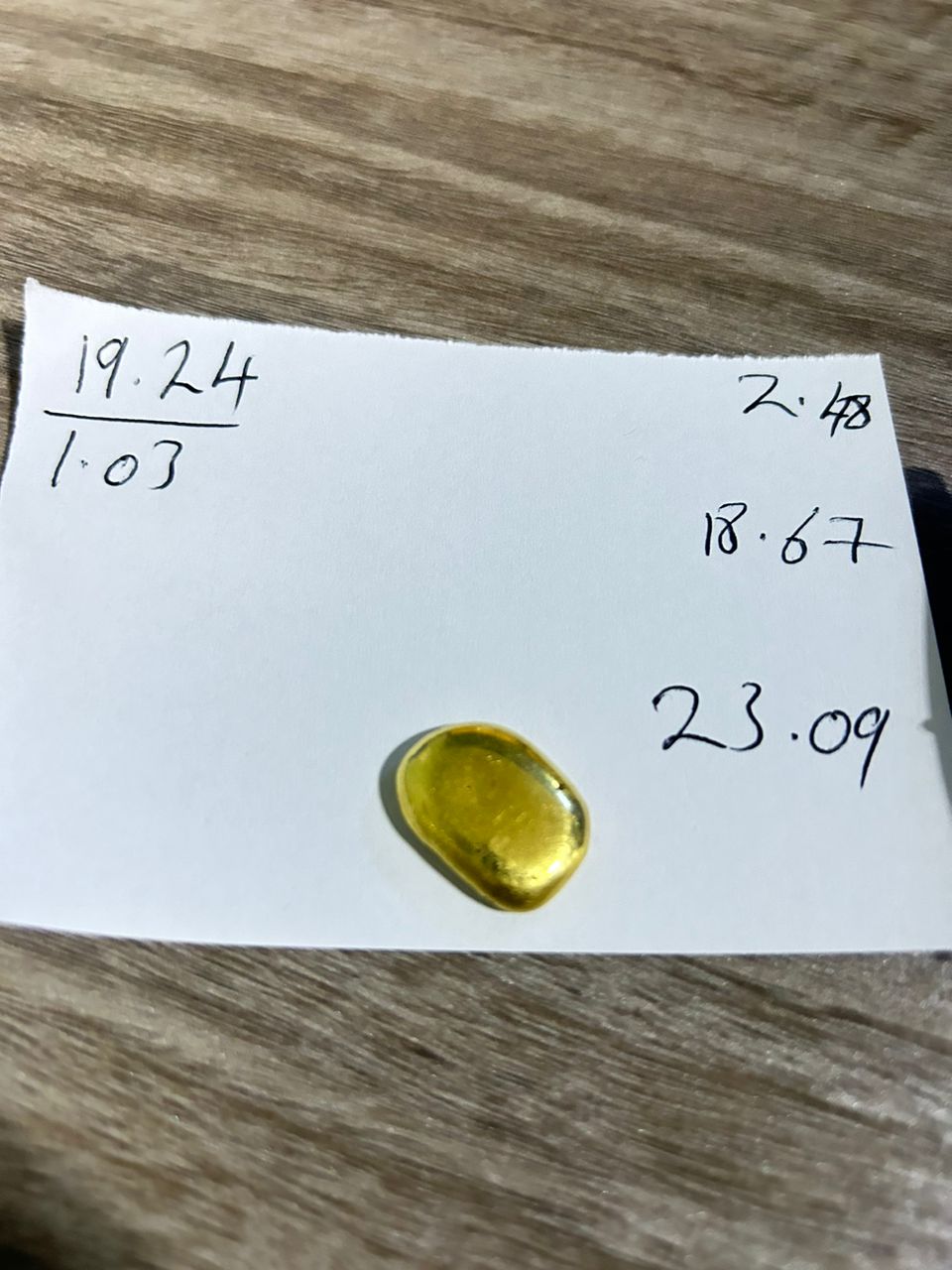
This essentially establishes a domestic offtake channel for large-scale gold production that is supported by the state. For Ghana, it gives the government more control over gold flows and the capacity to turn mineral production into reserve assets, while for miners, it guaranties a local market for a percentage of output.
Analysts have cautioned that the policy’s effectiveness will depend on institutional efficiency, financial discipline, and openness, which presents another possible governance difficulty.
In summary, Ghana is shifting from the “mine gold and export it” approach to the “mine gold, retain part of it, refine it, and use it to strengthen national reserves” strategy. One of the most important steps in that strategy is the 30% large-scale mining offtake.With effect from July 1, 2026, Ghana’s Ghana Gold Board (GoldBod) has reached an agreement to buy 30% of the gold produced by all major mining firms.
The agreement calls for each large-scale mining company to sell 30% of its output to GoldBod in Ghana. Payment: GoldBod will use the Bank of Ghana reference rate with a 0.55% discount to pay in Ghana cedis. Form: Doré, not fully refined gold, will be used for the purchases. Local refining: Before shipping the doré to a refinery recognized by the LBMA for final melting, bar casting, and stamping, GoldBod plans to refine it locally. National reserves: The completed gold will be moved to the Bank of Ghana and added to the country’s actual gold reserves. Why it’s important for Ghana
Building a sovereign gold reserve is a significant departure from merely generating foreign exchange from gold exports. It is a component of the Ghana Accelerated National Reserve Accumulation Program (GANRAP), which aims to have enough foreign reserves by 2028 to cover 15 months’ worth of imports.
Additionally, it helps Ghana achieve its goal of building up its own refining capacity and eventually getting at least one Ghanaian refinery accredited by the LBMA by 2030. More of the value produced by Ghana’s gold sector might be able to stay in the nation as a result.
The larger implications for investments
This essentially establishes a domestic offtake channel for large-scale gold production that is supported by the state. For Ghana, it gives the government more control over gold flows and the capacity to turn mineral production into reserve assets, while for miners, it guaranties a local market for a percentage of output.
Analysts have cautioned that the policy’s effectiveness will depend on institutional efficiency, financial discipline, and openness, which presents another possible governance difficulty.
In summary, Ghana is shifting from the “mine gold and export it” approach to the “mine gold, retain part of it, refine it, and use it to strengthen national reserves” strategy. One of the most important steps in that strategy is the 30% large-scale mining offtake.