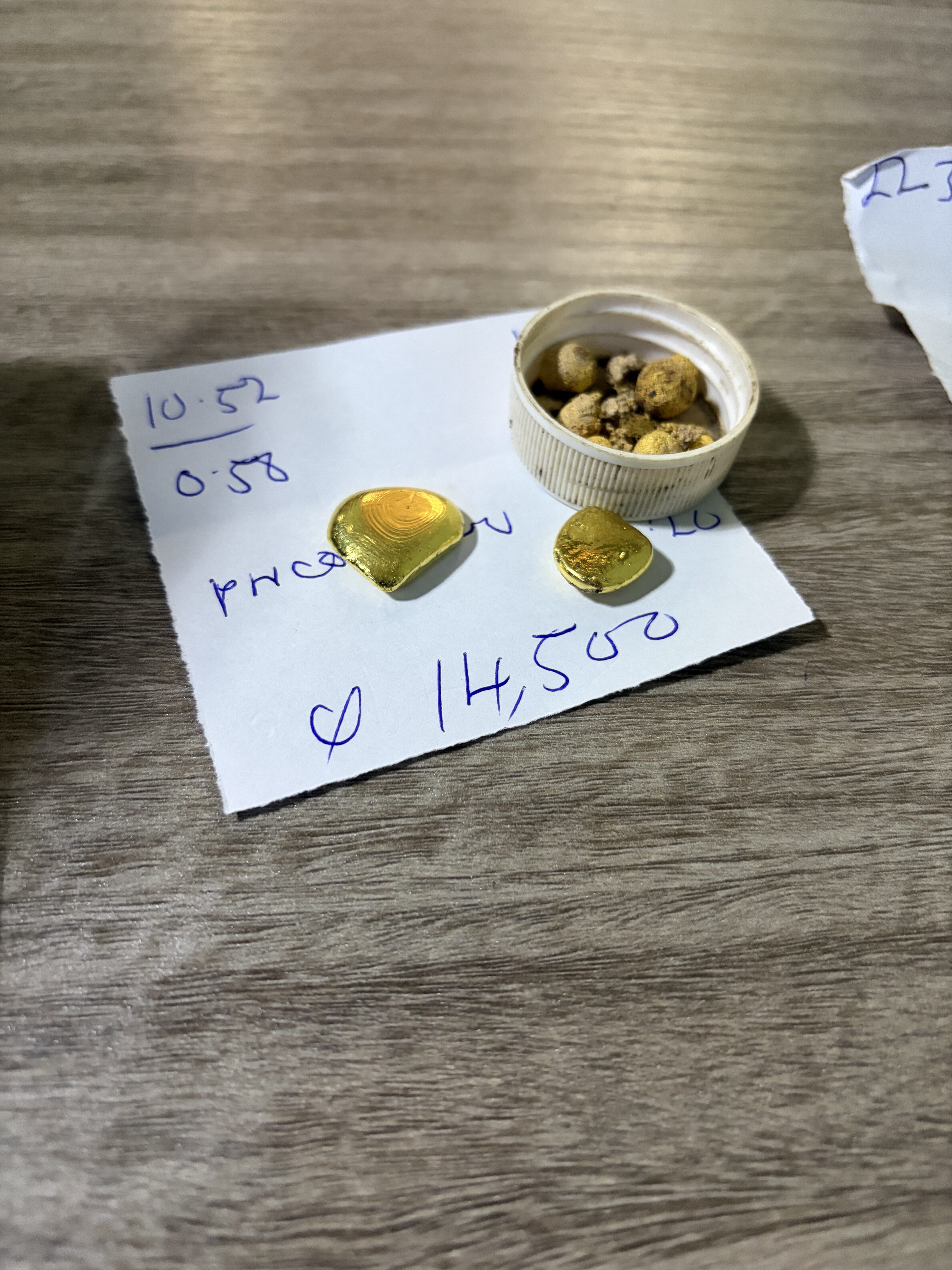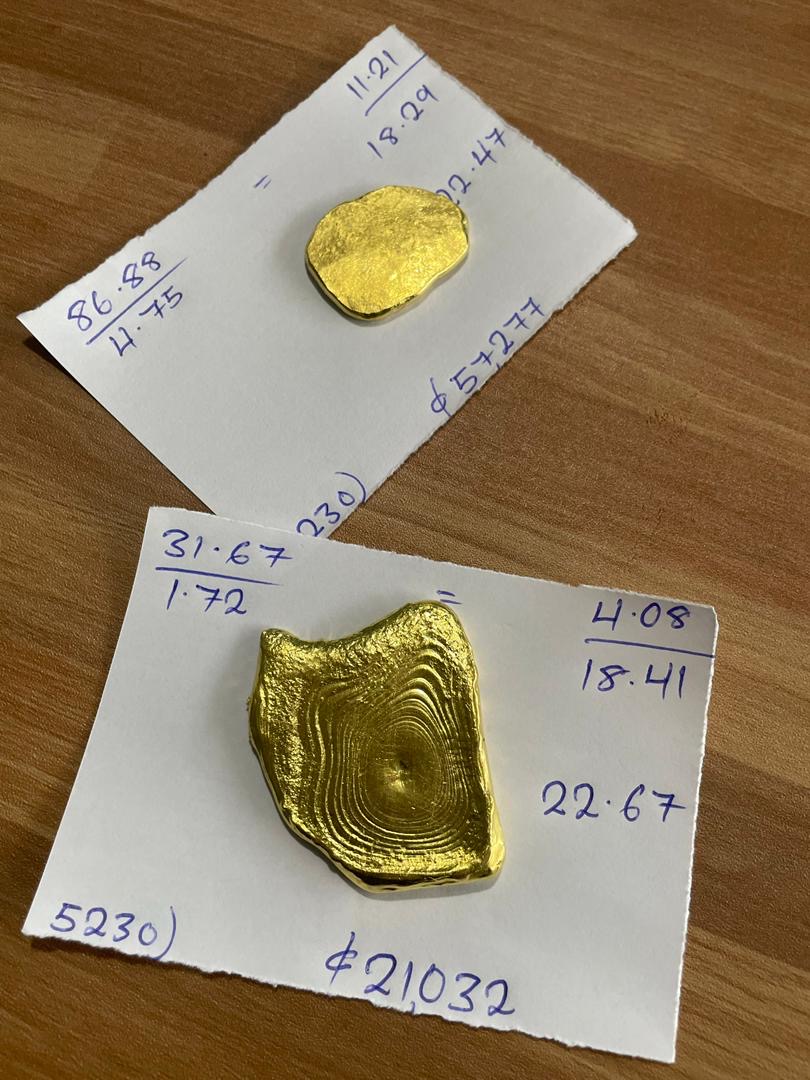

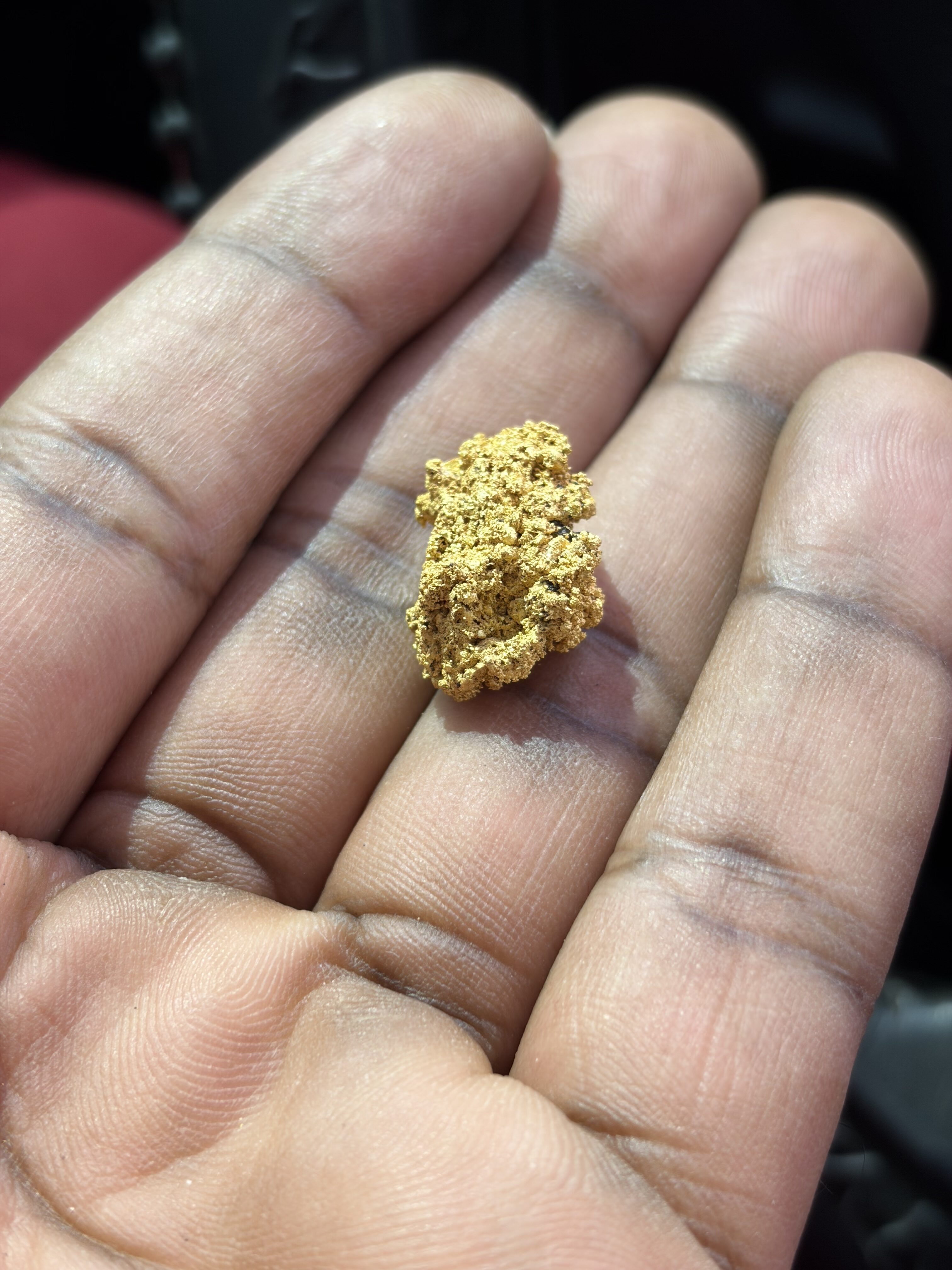
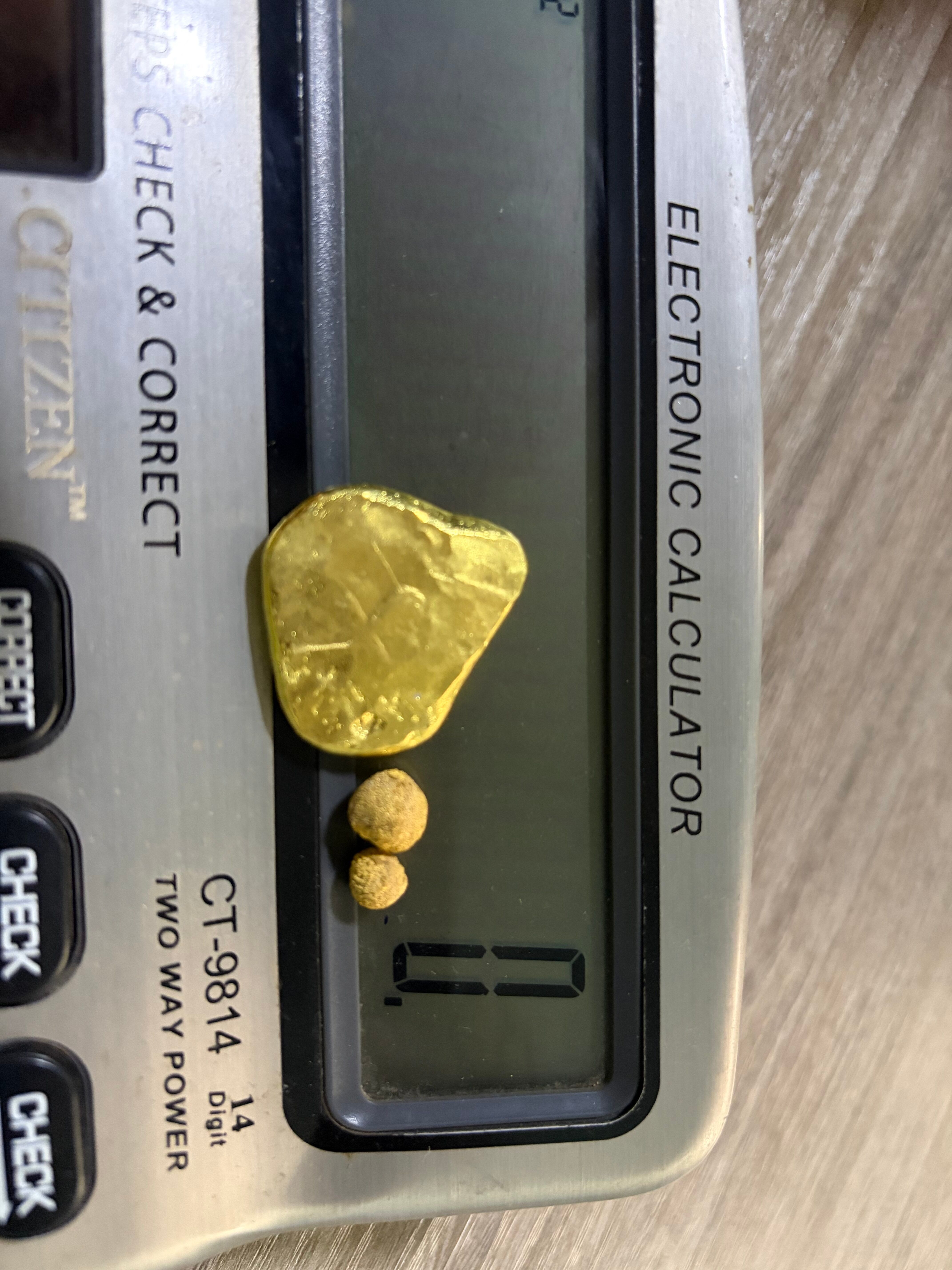
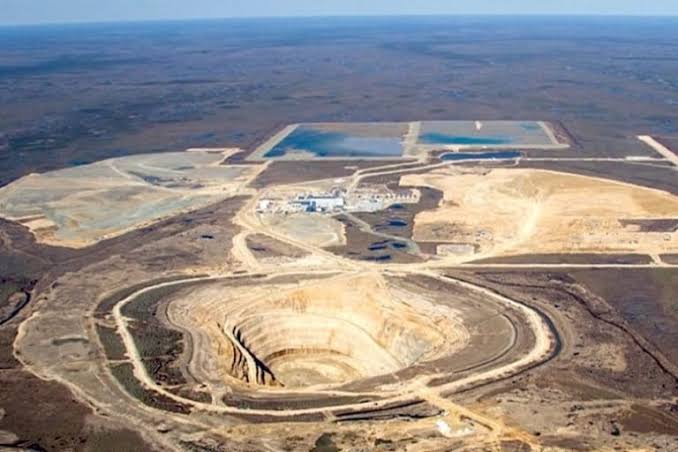
According to the Ghana Chamber of Mines, small-scale mining produced more than half of Ghana’s gold in 2025, surpassing the large-scale industry for the first time in the nation’s more than a century of commercial mining.Ghana All-Inclusive News
With national gold production increasing by 23.41% from 4.82 million ounces in 2024 to 5.94 million ounces in 2025, the growth was part of a record year for Ghana’s gold sector.
According to Christopher Nyarko, Director of Analysis, Research, and Finance at the Chamber, the change has a big impact on employment, government revenue, and governance.
In an interview with Bernard Avle on Channel One TV’s The Point of View on Monday, August 17, Mr. Nyarko stated that the record output was especially noteworthy due to the shifting contributions of the two main mining industry segments.
Our output reached over six million ounces in 2025, which is roughly the highest amount we have ever recorded. Additionally, the fact that small-scale mining surpassed large-scale mining for the first time made it extremely important, he added.
“In more than a century of mining in the nation, this is the first time we are seeing this, and it has a lot of implications on the revenue side, on a governance perspective as well, and even for decent employment opportunities,” he continued.
Record output is driven by small-scale mining.
Small-scale gold output rose by 63.82%, from 1.90 million ounces in 2024 to 3.11 million ounces in 2025, according to data from the Chamber’s 2025 industry assessment.
The industry now contributes the most to Ghana’s gold output for the first time, with its proportion of the country’s gold production rising to 52.4%.
In contrast, large-scale gold production fell by 2.98% from 2.92 million ounces in 2024 to 2.83 million ounces in 2025. As a result, its percentage of the country’s output decreased from 60.6% to 47.6%.
According to Mr. Nyarko, the development must be taken into account in addition to the necessity of bolstering the formal mining industry and making sure the nation gets the most out of its mineral resources.
Export revenue is driven by gold.
Ghana’s profits from mineral exports increased significantly as a result of the high gold performance.
The Chamber estimates that in 2025, mineral export profits were over US$21.32 billion, with gold making up about 95% of the total.
According to Mr. Nyarko, the performance had a significant impact on inflation, foreign exchange stability, Ghana’s balance of payments, and other macroeconomic metrics.
“Maybe gold will give you close to about 95% of the US$21.32 billion that we report as export earnings,” Mr. Nyarko stated.
“If you look at the gold amount, the small-scale sector is responsible for 52%, or nearly 53% of that,” he continued.
Concerns are raised by the revenue discrepancy
Mr. Nyarko said the trend raises questions about the amount of money coming into the state, even while small-scale mining is increasingly contributing to the production and export of gold.
According to the Chamber’s 2025 data, GH¢24.22 billion was paid to the government.
He clarified that since a sizable amount of small-scale mining operations outside of the official tax system, an increase in export revenues did not always translate into a matching increase in government revenue.
“Even though export receipts or even sector revenue are growing, it will not translate into a commensurate growth in government receipts, primarily because, to put it bluntly, the small-scale sector is not a tax-paying sector,” he stated.
He compared this to the big-scale mining industry, which pays the state vast sums of money through taxes, royalties, and other legal requirements.
Growing production costs
Ghana’s weighted All-in Sustaining Cost (AISC) was US$2,031 per ounce in 2025, according to data from the Chamber.
According to Mr. Nyarko, the industry standard for calculating the total cost of manufacturing an ounce of gold is called AISC.
The acronym for All-in Sustaining Cost is AISC. It’s the standard by which we gage how much it costs to produce one ounce of gold,” he stated.
Despite the high value of gold, one of the structural constraints facing the large-scale mining industry is the growing cost of production.
Future output depends on exploration.
Mr. Nyarko further emphasized how crucial it is to keep funding exploration in order to maintain Ghana’s gold production in the long run.
According to Mr. Nyarko, the Chamber spent US$135.184 million on exploration in 2025, which is essential for replenishing mineral reserves as current deposits run out.
He clarified that because mineral resources are limited and production from current reserves gradually decreases, mining corporations must constantly search for new deposits.
“Mining requires you to replenish the ore you are extracting. It is a limited resource. The amount of material you may mine will be diminishing as you do so, he stated.
“Continuing to invest is the only way you can extend your production,” he continued.
According to the Chamber’s data, the mining industry spent US$7.14 billion domestically in 2025, highlighting its wider economic impact beyond government revenue and export earnings.
According to the Chamber, maintaining Ghana’s status as a significant producer of gold will consequently necessitate ongoing exploration funding, stricter regulations, and a mining environment that can sustain long-term output.