
Investing in heavy equipment leasing in Ghana can be a profitable enterprise, thanks to the country’s strong infrastructural development, mining industry, and urbanization. However, success requires careful planning, an understanding of local dynamics, and the management of operational risks. This is a complete guide.
- Why Ghana? Market Demand Drivers: Ghana’s economy is based heavily on construction, mining, and agriculture, all of which generate consistent demand for heavy equipment.
Excavators, graders, rollers, and concrete mixers are in high demand due to government projects including as roads, bridges, hospitals, and houses, as well as private real estate development, particularly in Accra, Kumasi, and Takoradi.
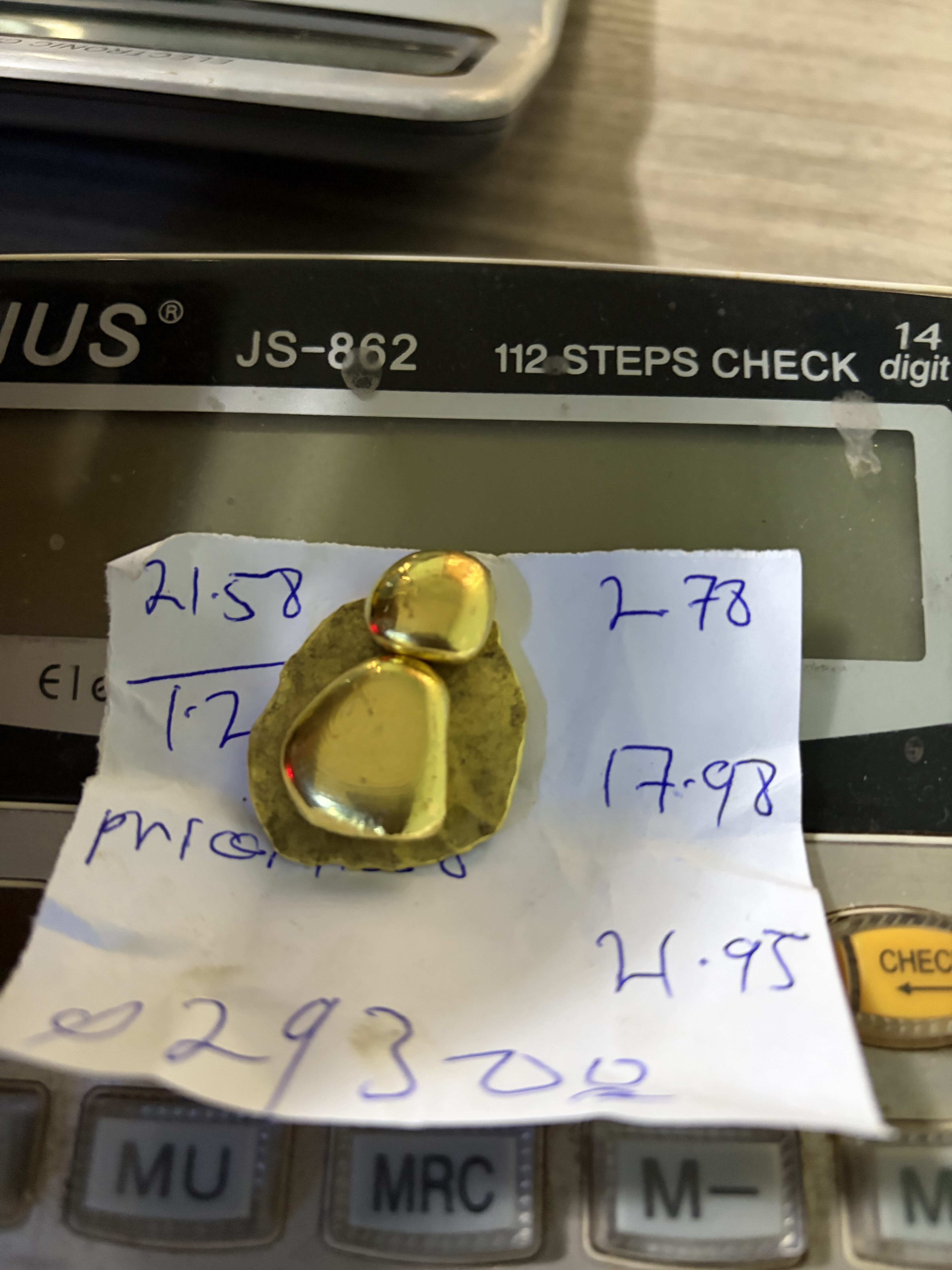
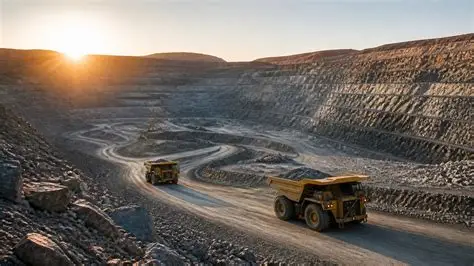
Ghana is Africa’s greatest gold producer and a major producer of bauxite and manganese. Mines require haul trucks, bulldozers, excavators, and drills, either directly owned or rented.
Oil and gas: The Western Region’s Jubilee and TEN fields increase need for cranes, forklifts, and specialist lifting equipment for offshore/onshore assistance.
Agriculture mechanization: Government efforts (such as Planting for Food and Jobs) increase tractor and harvester rentals for smallholder and commercial farms.
Seasonality: Construction and agricultural peak during the dry season, although mining and infrastructure projects continue year-round, leveling demand.
- Equipment in High Demand. Focus on flexible equipment that serve multiple areas.
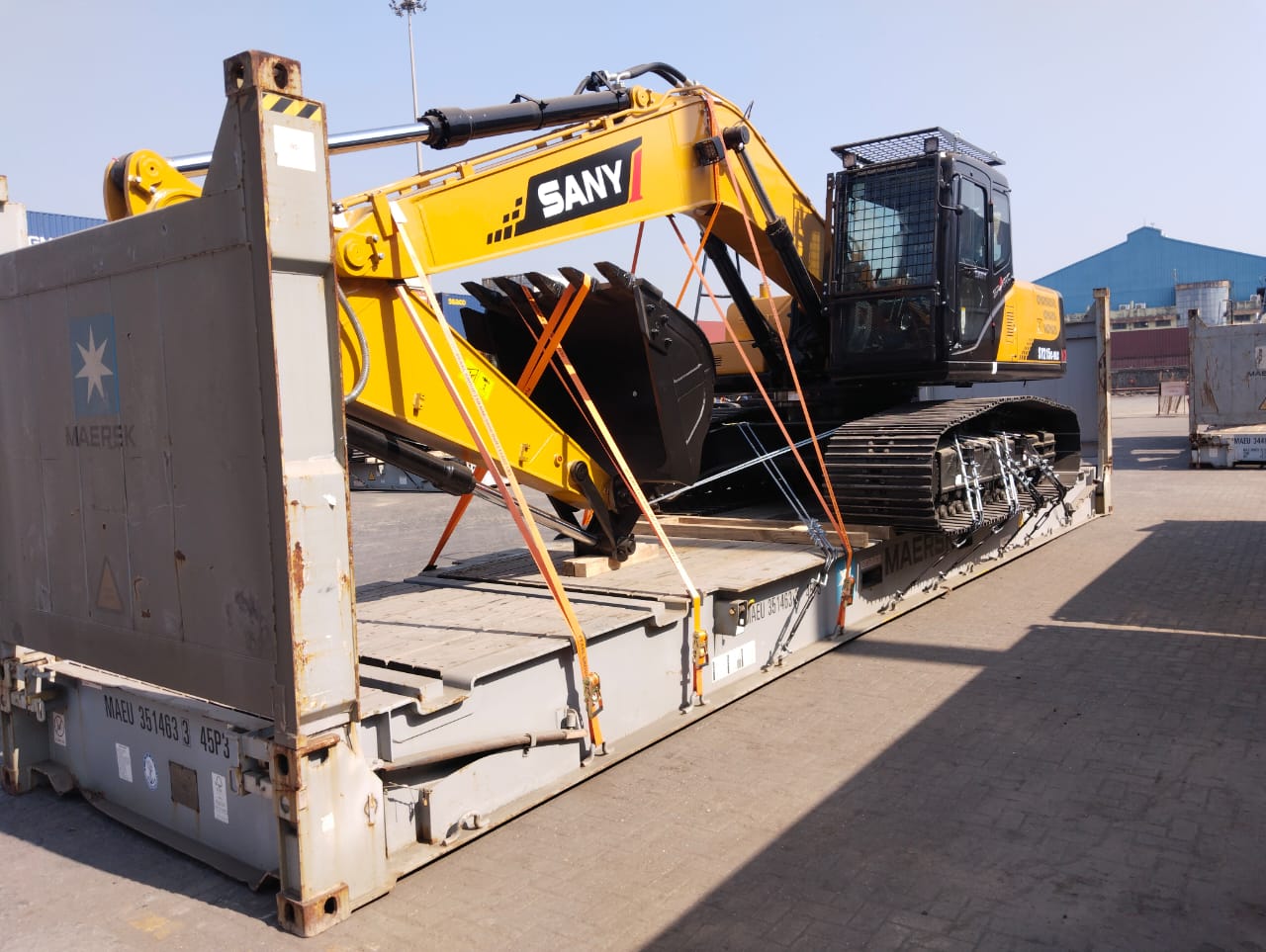
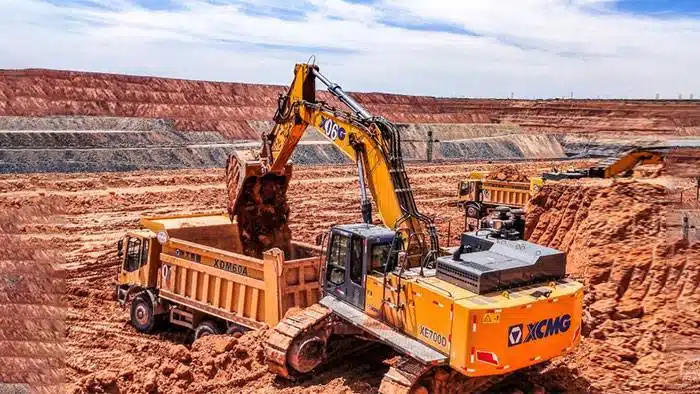
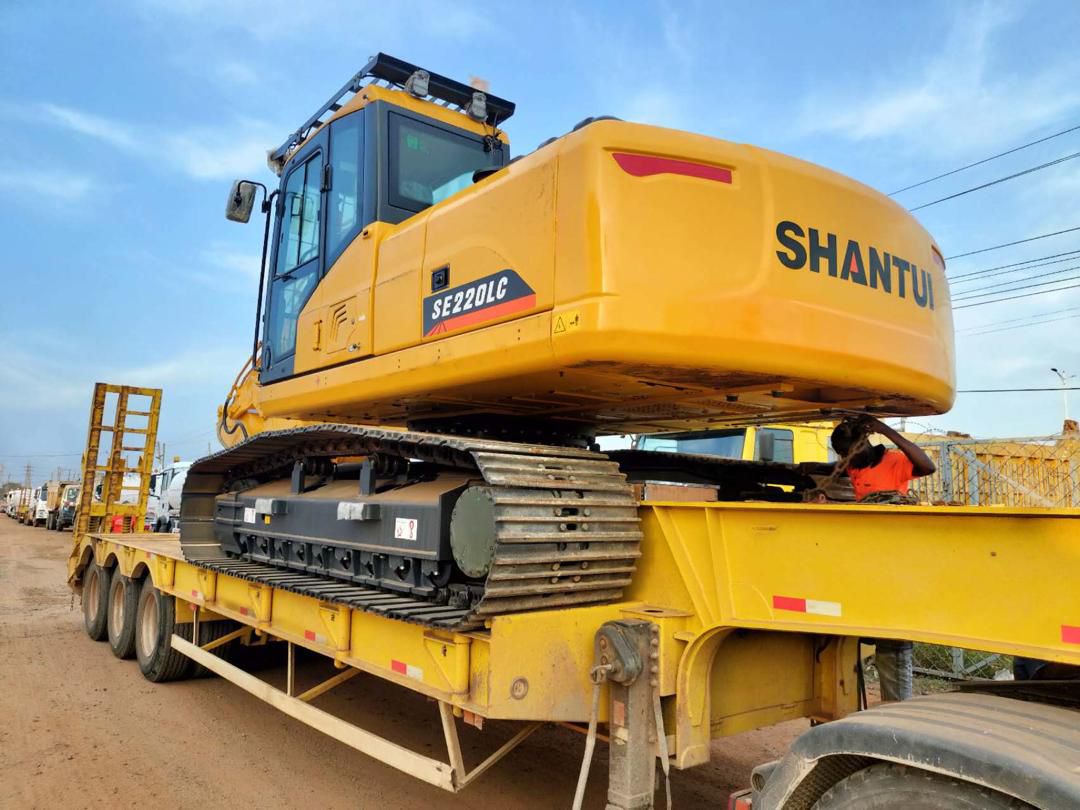
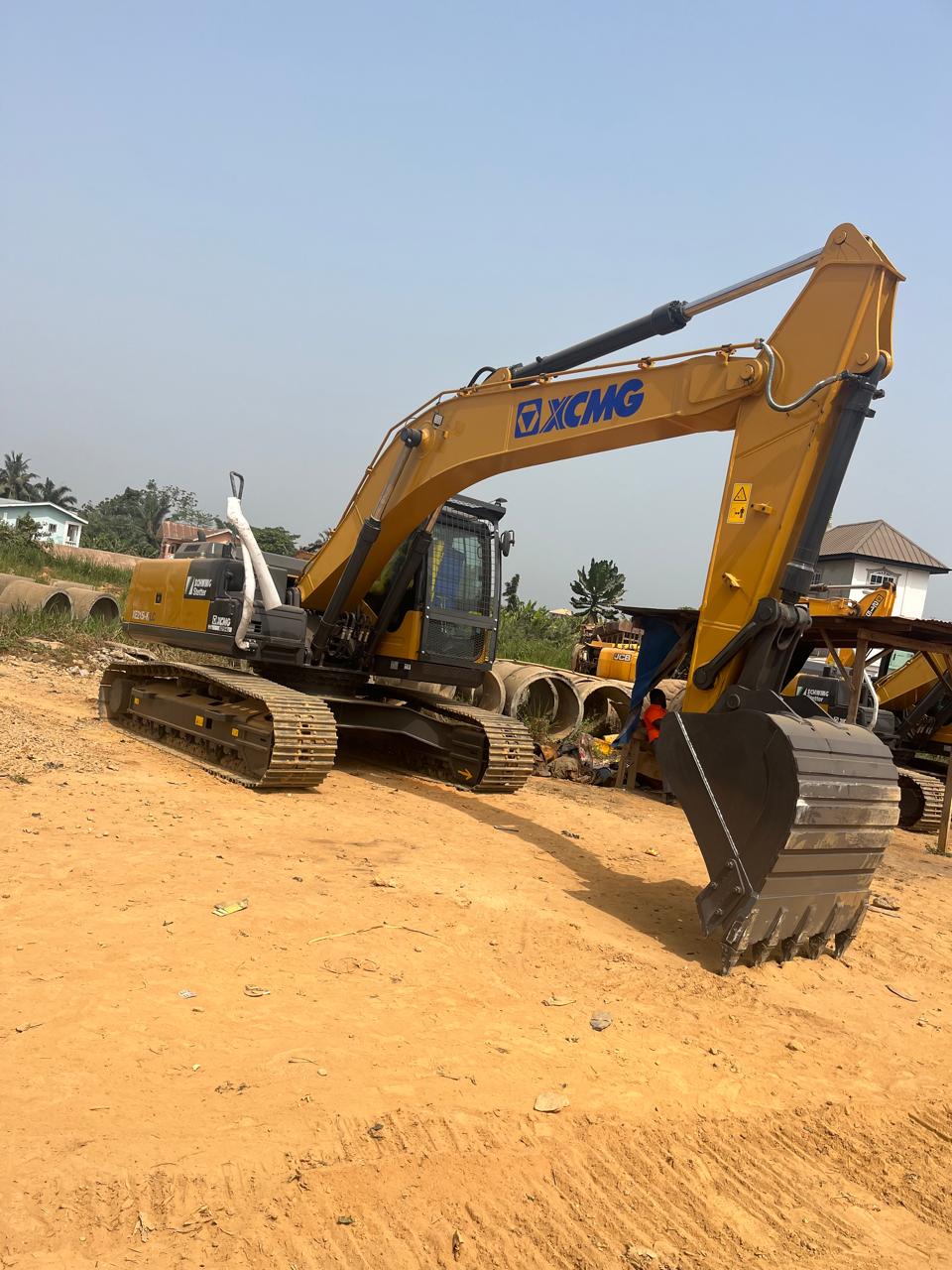
Earthmovers include excavators (20-35 tonnes), bulldozers, backhoe loaders, motor graders, and wheel loaders.
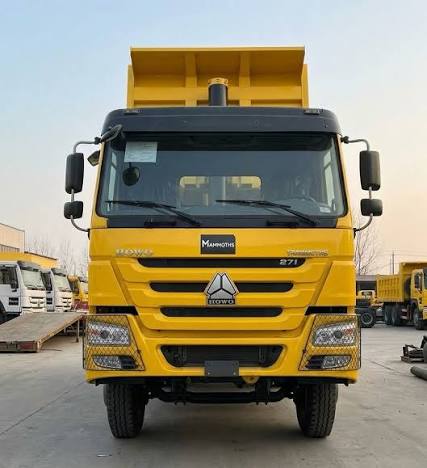
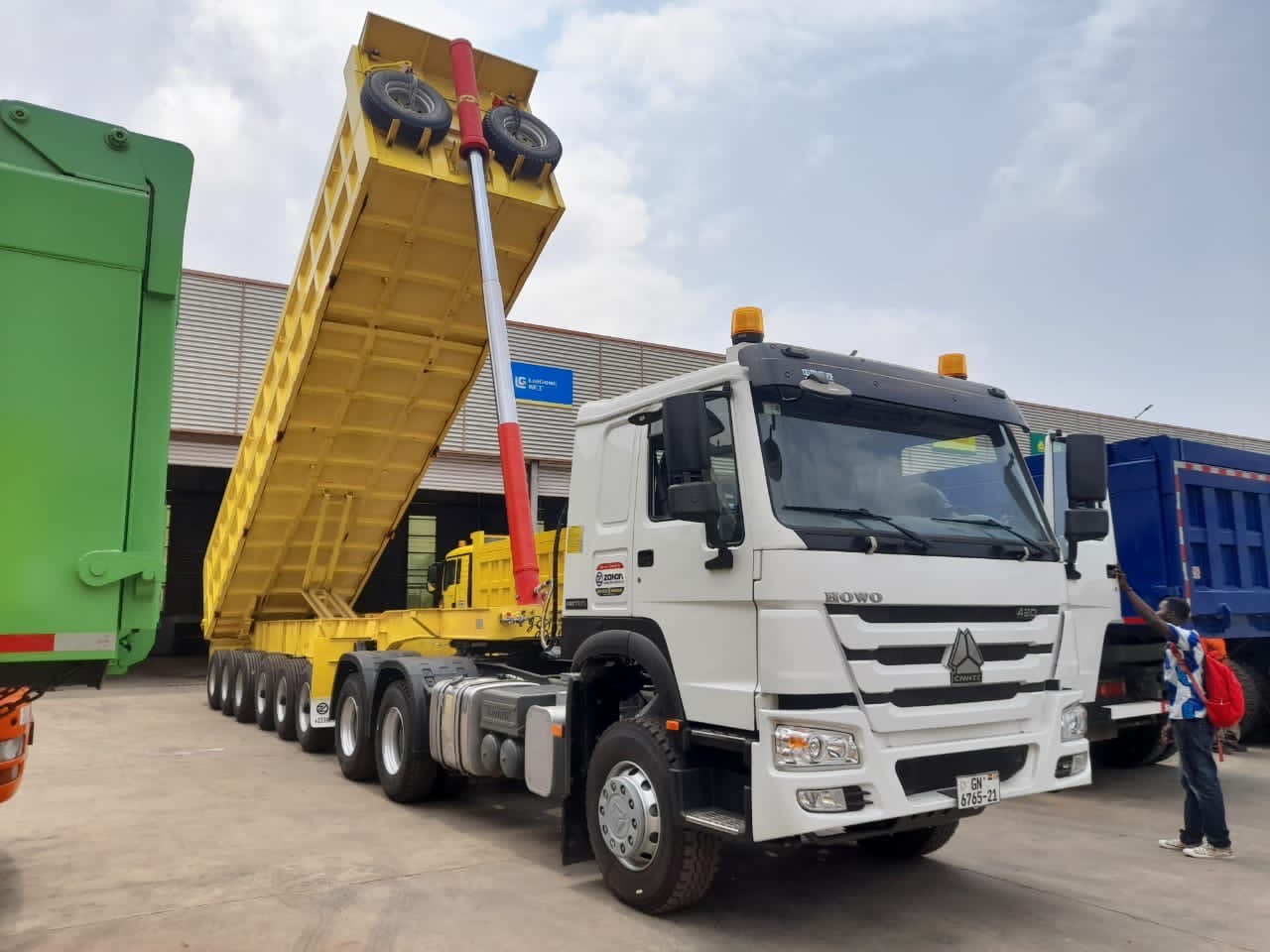
Tipper trucks, low-bed trailers, and dump trucks are often used modes of transportation.
Lifting: Mobile cranes (20–100 tonne), rough terrain cranes, telehandlers.
Paving and compaction equipment includes vibratory rollers and asphalt pavers.
Concrete: Mobile concrete mixers and pumps.
Mining-specific equipment includes large excavators, articulated dump trucks, and drilling rigs.
Agriculture: Tractors (50-100 horsepower) with equipment and combine harvesters (seasonal).
- Business Models. Dry hire (equipment only): Lower overhead but needs the client to provide operators. It yields slightly lower rental rates.
Wet hire (with operator) is popular in Ghana, because many contractors lack qualified operators. Higher daily rates, but you must cover labor, fuel, and maintenance expenses.
Lease-to-own: Ideal for long-term projects or mining firms; eventually sells the asset.
Sales and rental hybrid: Some organizations import new and used equipment to sell while also operating a rental fleet.
- Investment costs and capital requirements. Prices vary greatly depending on the condition (new vs. used) and brand (Caterpillar, Komatsu, Volvo, SANY, XCMG, etc.).
New excavator (20T): $120,000 to $180,000 CIF Tema.
Used excavators (5-7 years old) are priced between $50,000 and $90,000 landed.
New tipper truck (6×4): $80,000 to $130,000.
Motor graders cost more than $150,000 new.
Backhoe loaders cost between $70,000 and $100,000 new.
Additional costs:
Import tariffs and taxes can range from 20 to 35% of the CIF value (including VAT, NHIL, and ECOWAS levy). There are some exclusions for mining and agriculture under special restrictions.
Freight and clearing costs range from around $5,000 to $15,000 per item from Asia or Europe.
Registration and insurance: Commercial vehicle registration, third-party coverage, and comprehensive equipment insurance.
Yard/facility: Secure compound, workshop, spare part inventory, and fuel storage.
Working capital: Enough to cover at least 3-6 months of operational expenses.
A small start-up fleet (3-5 machines) could require a $300,000-$700,000 capital investment for used equipment, whilst a medium-sized fleet of 10-15 new units could cost more than $2 million.
- Regulatory and Legal Environment Business registration: Register with the Registrar General’s Department, receive a Tax Identification Number (TIN), and obtain a business operating permission from your local municipal assembly.
Taxation:
Corporate income tax is typically 25% (may vary depending on location/industry incentives).
VAT on rentals is presently 15% (VAT + NHIL + GETFund levy).
Withholding tax on rental payments: 7.5% for residents, which can be offset.
Import levies are subject to periodic government policy changes; check current rates.
Local content: In mining and oil and gas, there is a push to use Ghanaian-owned businesses. Being a locally registered entity provides an advantage.
Environmental licenses are not often required for rental yards unless you put up a large workshop with waste disposal.
Standards: The Ghana Standards Authority oversees equipment safety and ensures that machines fulfill emission and safety requirements.
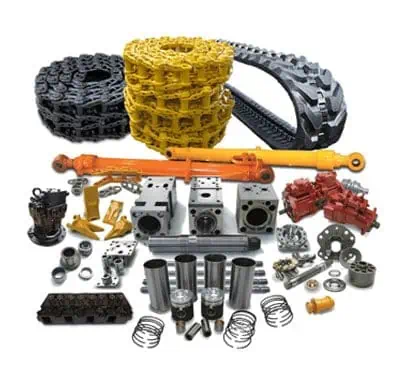
- Operational Challenges and Risks Maintenance and spares: Access of genuine replacement parts for premium brands (Cat, Komatsu) is reasonable in Accra/Tema, however lead times for specialised components can be lengthy. Chinese brands (SANY, XCMG) are gaining popularity, however parts are only available intermittently. Skilled diesel mechanics are uncommon, so you may need to educate your own.
Wet hire requires experienced, licensed operators. Some operators overstate their hours to get overtime, therefore GPS tracking and fuel monitoring are vital.
Fuel expenses and currency risk: Fuel is expensive and variable. The Ghana cedi has devalued dramatically against the dollar, raising the cost of imported spare parts and wiping out profit if rental rates are fixed in cedis without indexation.
Payment delays: Contractors, particularly those on government projects, may delay payments for 60-120 days. Strong credit policies and client verification are essential.
Theft and security: Equipment theft occurs; GPS tracking, immobilizers, and secure overnight parking are needed. Insurance is a necessary.
The market has several established companies. Differentiating on reliability, modern fleet, and service quality is critical.
- Profitability and ROI Expectations. Rental rates (approximate; wet hire):
A 20T excavator costs between $800 and $1,500 per day (about $120-150 per hour).
Tipper trucks (20 m³) cost $500-$800 per day.
Motor grader: $1,000 to $1,800 per day.
Backhoe costs $400-$700 per day. (Rates vary according to region, client, and contract length. Fuel is frequently a pass-through expense or included in the rate.
Utilization rate: In peak season, a well-managed fleet might achieve 75-85% utilization; the annual average may be 50-65%.
Payback period: Used equipment is normally 12-24 months; new machines 30-48 months, assuming proper utilization and maintenance.
Net margins: 15-30% after all costs, but extremely vulnerable to outages, gasoline price spikes, and bad debts.
- Key Success Factors. Location: Headquarters in Greater Accra (Tema heavy industrial zone) or Takoradi for mining/oil, with a satellite presence in Kumasi for northern projects.
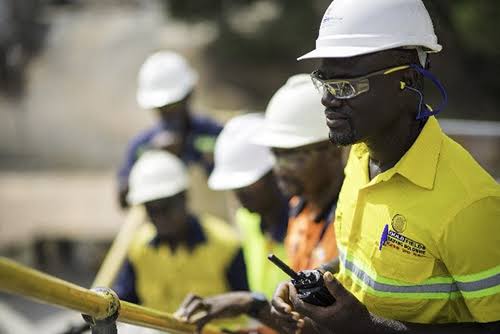
Relationships: Connect with construction companies (e.g., Justmoh, Micheletti, WBHO), mining corporations (Kwalas Mining, Gold Fields, Newmont, AngloGold Ashanti), and government organizations.
Fleet management technology includes GPS telematics, fuel sensors, and maintenance software for monitoring usage, preventing theft, and scheduling preventative maintenance.
finance options: Some equipment dealers (Mantrac/Cat, SANY) provide asset finance, while local banks (Ecobank, Stanbic, GCB) give equipment loans/leases with a good business case.
After-sales support: Providing speedy repair turnaround and on-site service can help you obtain contracts and repeat business.
old equipment sourcing: Purchasing well-maintained old equipment from Europe or Japan and reconditioning locally might save money—but inspect closely to avoid downtime.
- Risk Mitigation Currency hedging: When possible, arrange contracts that are indexed to the US dollar or include terms for exchange rate adjustments.
Insurance includes comprehensive all-risk equipment insurance as well as third-party liability coverage. Local insurers, such as SIC and Enterprise Insurance, offer group schemes.
Diversify your clientele: Don’t rely too heavily on a single contractor or government agency. Combine mining, construction, and agricultural clients.
Operator training and incentives: Invest in training to prevent misuse and malfunctions. Link operator bonuses to fuel efficiency and equipment maintenance.
Credit control is strict, requiring advance payment or post-dated cheques. Use remotely activated vehicle immobilizers for payment defaulters.
- Is it a good investment right now? Upside:
Infrastructure gaps persist, as does the government’s commitment to roads, railroads, and housing.
Mining output continues strong, with new projects coming online (such as lithium and bauxite).
Ghana’s status as a stable democracy makes it a regional hub, attracting demand from surrounding countries.
Downside:
Economic problems, such as inflation, cedi depreciation, and expensive capital costs, can reduce profitability.
Bureaucracy and the occasional shift in import policies.
Deep technical skill is required, as is patient funding.
For an investor ready to be on the ground, establish a solid operational team, and aggressively manage risks, heavy equipment leasing in Ghana provides excellent returns and long-term asset-backed growth. Starting with a few adaptable, well-maintained machines in the 20-30 tonne excavator and tipper truck categories (wet hire) allows for the quickest market entry and cash flow.
Next steps: To refine your market entry plan, conduct a localized feasibility analysis, interact with Ghanaian equipment dealers, and speak with construction businesses about their rental pain iss