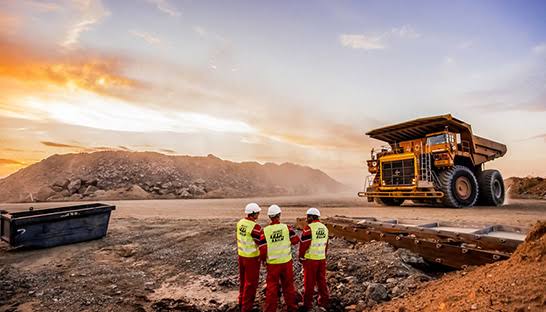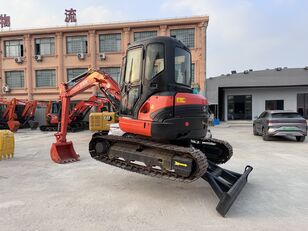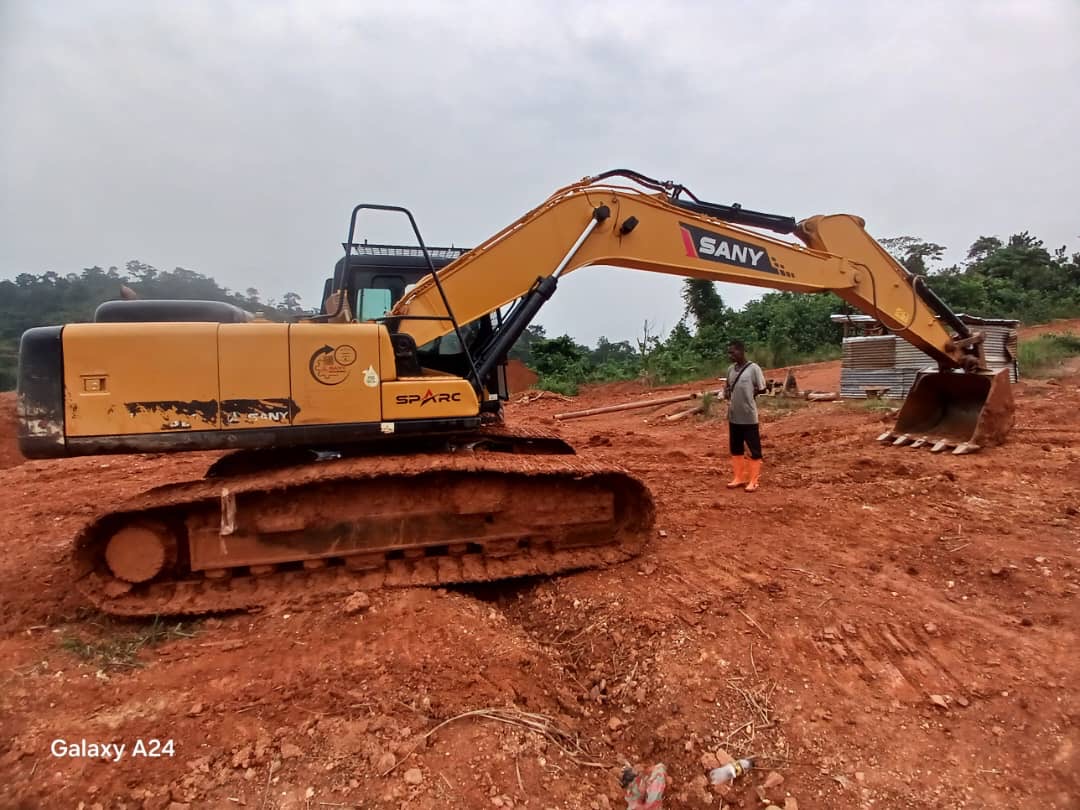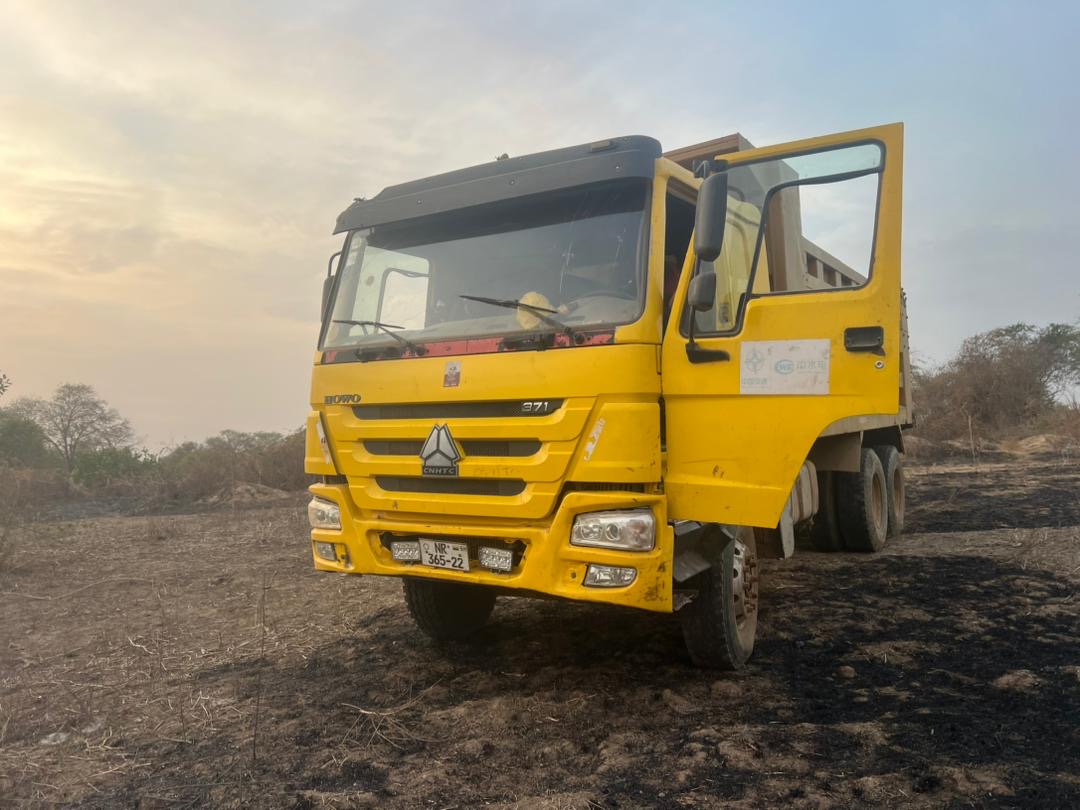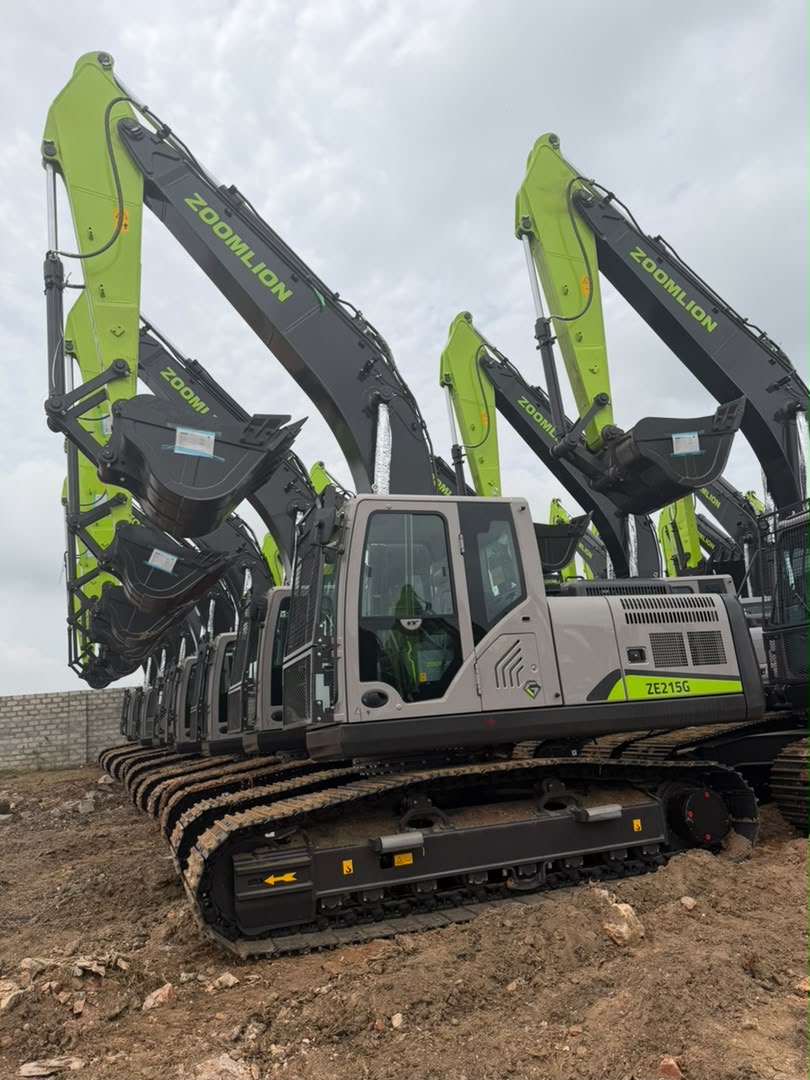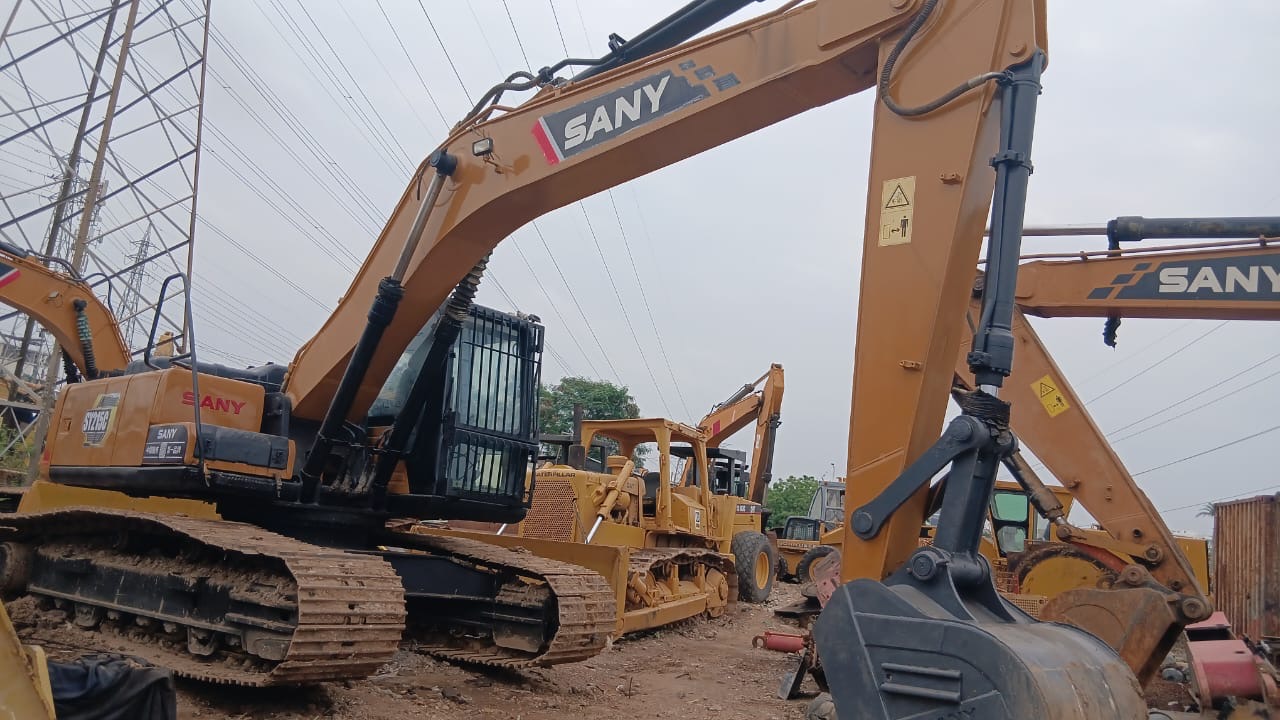

If you focus on providing equipment, earthmoving, haulage, civil works, or specialized mine-support services rather than trying to become a mine owner, mining contracting can be an attractive venture in Ghana.
Ghana produced 5.94 million ounces of gold in 2025—a 23.4% increase—creating a sizable underlying market for mining services.
- The best contracting possibilities
Business Opportunities for Typical Equipment and Capital
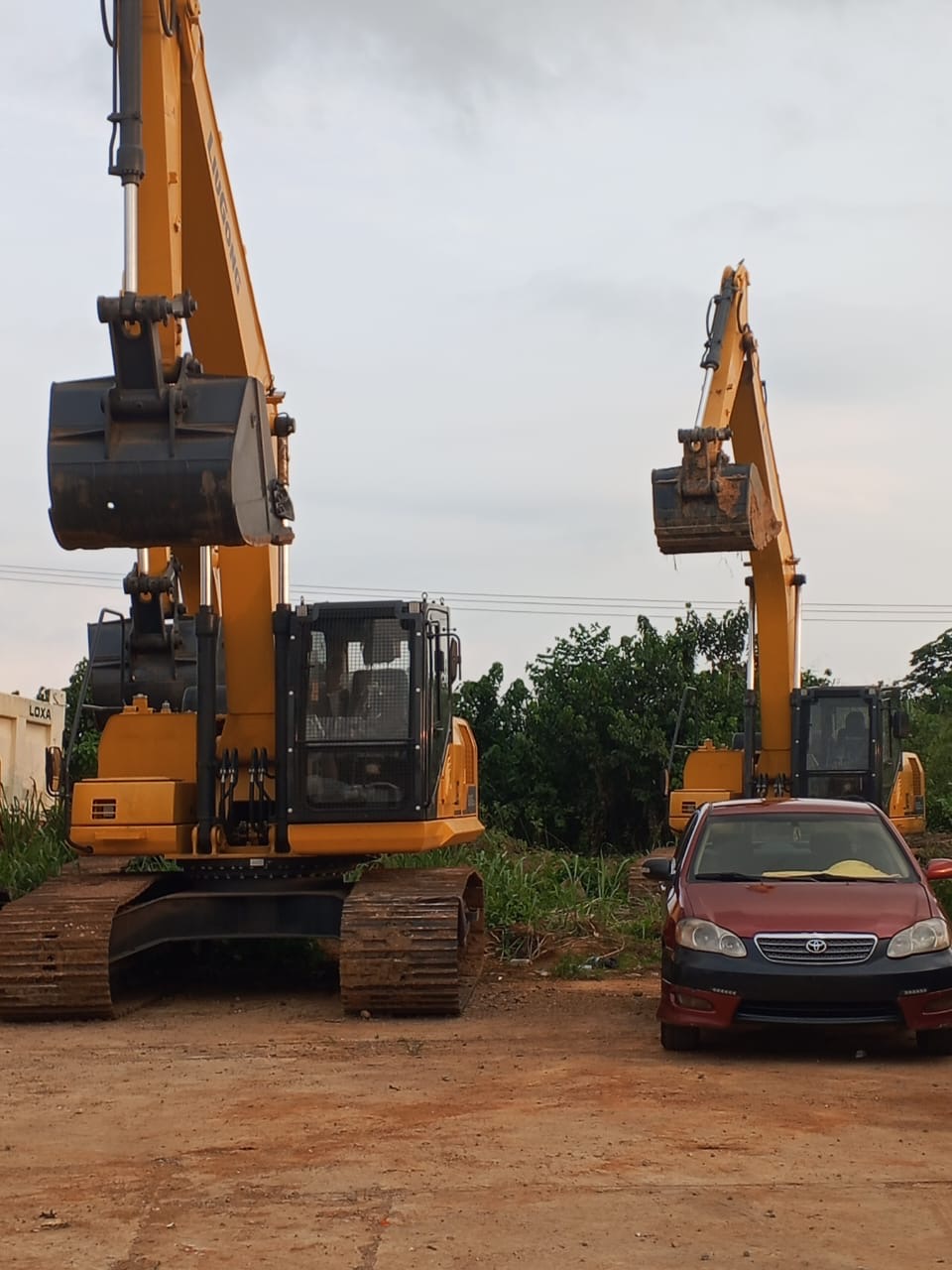
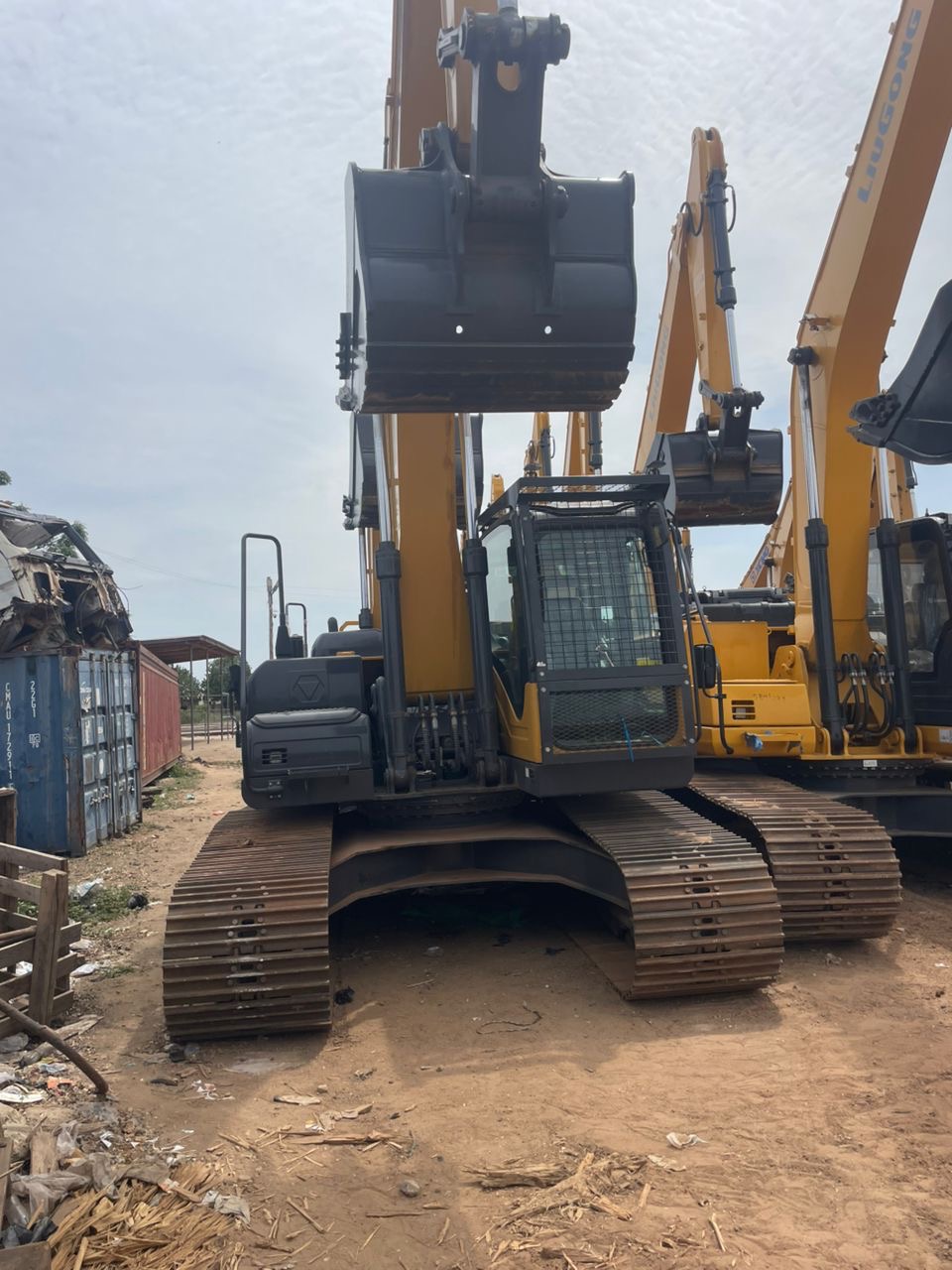
Dump trucks, dozers, loaders, and excavators for earthmoving and overburden removal
Tipper trucks and articulated dump trucks for mining transport
Excavators, loaders, graders, dozers, road and mining infrastructure, graders, rollers, excavators, trucks ⭐⭐⭐⭐
RC/DTH drill rigs, compressors, and drilling services
Crushing and screening Conveyors, filters, and crushers
Workshops, mechanics, service trucks, and equipment maintenance
Contract mining: big fleet with technical staff ⭐⭐⭐
Trucks, fuel/logistics fleet, and mine-site logistics
Renting equipment along with mining support is a particularly intriguing entrance point. Without assuming all of the operational risk associated with a contract-mining enterprise, you can make money from your machines. - Local contractors are favored under Ghanaian legislation
One of the best justifications for thinking about the industry is this.
The local-content framework, according to Ghana’s Minerals Commission, aims to boost Ghanaian mining participation and assist local businesses in competing for mining contracts. L.I. 2431 (2020) serves as the main foundation for the existing framework.
Crucially, contract mining is designated as a Ghanaian-only procurement category in the Minerals Commission’s procurement framework. This means that the company must be formed in Ghana and have the required Ghanaian ownership/directorship structure.
Class A support-service providers, which include contract mining, waste disposal, drilling and blasting, excavation, ore transport, mine-related civil works, equipment supply, and other specialized mining services, are also recognized by the laws.
Therefore, a well-capitalized local Ghanaian contractor has a real policy opportunity.
- Avoid beginning with complete contract mining
I wouldn’t try to compete with well-known big mining contractors right away if you were making your first investment.
A more appropriate sequence would be:
Stage 1: Renting equipment: trucks, loaders, and excavators
Stage 2: Mine support includes clearing, excavation, hauling, road upkeep, and drainage.
Stage 3: Specialized services: drilling, screening, crushing, and maintenance
Stage 4: Contract mining → Complete fleet + operators + production goals
This lessens your initial risk of payroll, fuel, equipment malfunctions, and production-performance fines.
- An example of an investment plan
Let’s say you have $1 million in US dollars.
Instead of investing the whole sum in a single huge excavator, you may construct a diverse fleet:
One 30- to 40-ton excavator
One wheel loader
2-3 × articulated/tipper trucks
One service/support truck
Working capital
Tires and spare parts
Registration, insurance, and compliance
Mechanics and operators
Funds for mobilization
Machine use is crucial. A machine that makes money 20–25 days a month is far more appealing than one that remains idle for weeks.
- Where in Ghana would I search?
I would focus more on the main mining belts than Accra itself when it comes to mining contracting:
Western Area
Tarkwa
Damang
The Prestea
Bogoso
Wassa
The Ashanti Region
Obuasi
Konongo
Areas of Amansie
Eastern Area
Akyem
Areas of Kyebi and Atiwa
Savanna and the North
The Namdini/Bawku corridor and new initiatives
Smaller-scale mining activities have potential as well. According to figures from the Minerals Commission and industry, over half of Ghana’s gold production in 2025 came from small-scale production.
- Potential clients
Among your possible clients would be:
Huge gold mines
Mine-support businesses
Smaller mining firms with licenses
Exploration firms
Operators of quarries
Developers of mines
Workers on mining infrastructure who are civil contractors
For instance, Ghana has developed mining firms that operate in the larger mining ecosystem, including Perseus Mining Ghana Limited, PW Mining, and Rocksure International Limited.
Additionally, there is a well-established industry for renting out equipment, which includes businesses like Big Wheels Equipment Rental Co. Ltd. and Heavy Rents Ghana.
- Purchasing equipment before obtaining contracts is the largest risk.
This is where a lot of investors go wrong.
Don’t look for clients after purchasing a fleet.
Ideally:
Client → agreement/LOI → funding → machinery → implementation
instead of:
Equipment → debt → idle machinery → client search
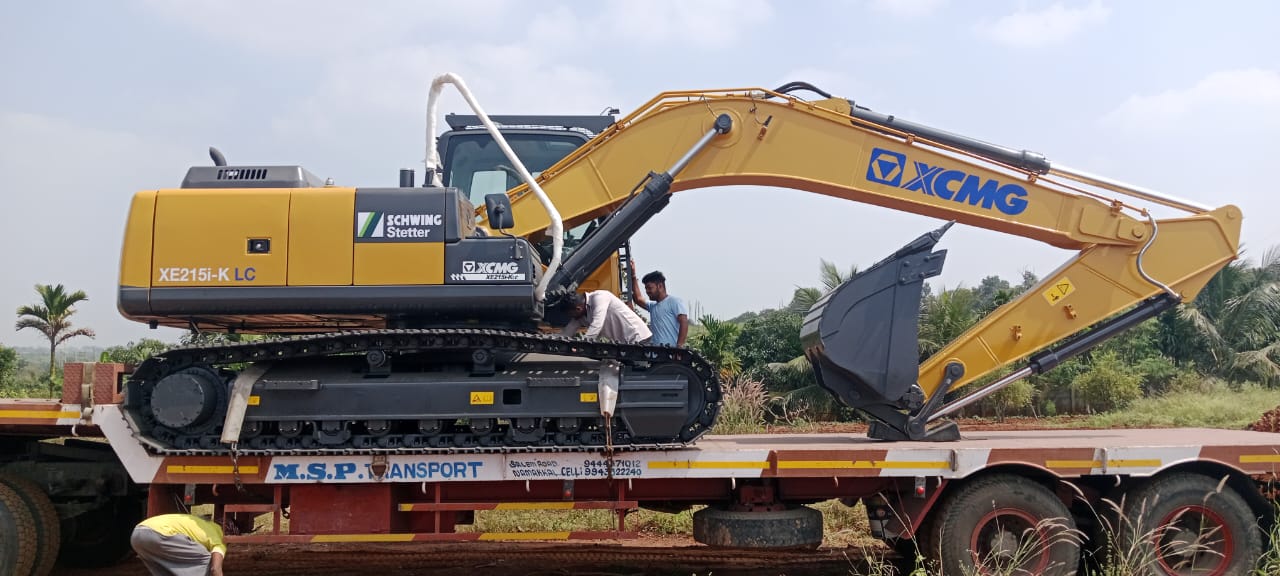
Prior to importing an equipment that costs between $200,000 and $500,000, I would need to know:
Who is going to hire it?
For what number of months?
Monthly or hourly rate?
Minimum hours that are guaranteed?
Fuel is paid for by whom?
Operators are supplied by whom?
Who covers the cost of mobilization?
Terms of payment: 30, 60, or 90 days?
What takes place when a breakdown occurs?
Who covers the cost of significant repairs?
Can the equipment be used at the mine site?
After the project is finished, what happens?
- An extremely intriguing investment approach
I would think about creating a Ghanaian Mining Equipment & Services Company if your goal is investment rather than running a mining business yourself.
There could be three divisions inside the company:
A. Renting Equipment
The excavator
Dozers
Loaders
Grader
Dump trucks
B. Services for Mining
Moving the earth
Transportation
Setting up the site
Building mine roads
Drainage
Elimination of waste
C. Support for Equipment
Preventive upkeep
Field mechanics
Replacement parts
Tires
Rebuilding equipment
Instead of depending on a single contract, this provides you with multiple revenue streams.
- Checklist for regulations
Prior to investing money, look into:
Ghanaian firm formation
Ownership and local content requirements in Ghana
Minerals Commission regulations for mine-support service providers
The proper license or registration for support services
Environmental specifications
SSNIT and employment responsibilities
GRA/tax enrollment
Registration and tracking regulations for heavy equipment
Insurance
Mine-specific HSE standards
Customs and the importation of equipment
Documentation related to financing and assets
Support services, licensing, health and safety, equipment monitoring, and local content are all subject to distinct laws maintained by the Minerals Commission.
My perspective on investing
I would rate the models if I were evaluating this as an investment:
🥇 The greatest starting point is equipment rental plus mining help.
🥈 Mine haulage is in high demand but requires a lot of fuel and maintenance. 🥉 Earthmoving and overburden removal are appealing if they have a contract.
- Crushing and screening: beneficial if the material is guarantyd
- Full contract mining—capital-intensive and operationally difficult, but possibly extremely profitable
Ghana is actively encouraging local involvement in the mining supply chain while gold production is still very high, which makes the prospect very intriguing. In 2026, the Minerals Commission reported that there were 16 large-scale producing enterprises, over 90 mine-support service organizations, and over 3,000 registered small-scale mining groups.