
The West African mining equipment leasing sector represents a significant, if complicated, opportunity. Driven by a stable gold sector, burgeoning industrial metals, and a structural change from ownership to rental, the region has considerable development potential for those who can negotiate its difficulties.
Here’s an overview of the terrain, opportunities, and practical entrance requirements.
- Market Drivers: Why Now? The leasing model is increasingly becoming the rule, rather than the exception, for three significant reasons.
Capital Scarcity for Junior Miners: The region is dominated by junior exploration and mid-tier production firms. They choose to save capital for drilling and mine development rather than investing in pricey mobile equipment. A leasing model translates a large capital expenditure into a predictable operating expense.
Contract mining is resurging: Major mining companies are increasingly outsourcing their whole mining operations to contract miners (for example, Byrnecut, African Mining Services, Mota-Engil). These contractors are the single largest customer category for rental companies, as they require huge, modern fleets with flexible terms.
Supply Chain Inefficiencies: The lead time for procuring new equipment can be 6-12 months. A well-stocked rental fleet eliminates this issue immediately, particularly for urgent replacement or short-term production ramp-ups.
Stabilizing Political and Regulatory Frameworks: While pockets of instability persist, established mining countries such as Ghana, Côte d’Ivoire, and Senegal provide legal certainty for asset financing and repossession, which supports the rental business model.
- Equipment Types in High Demand. The opportunity is not the same across all asset classes. The “sweet spots” are:
Earth Moving Core Fleet:
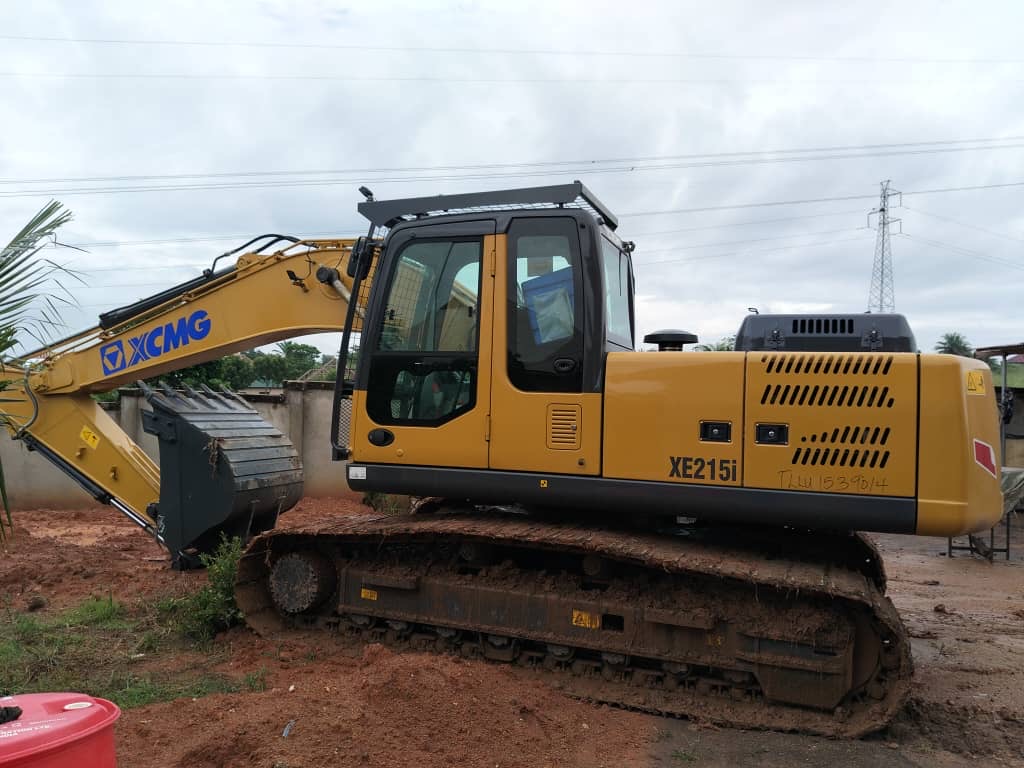
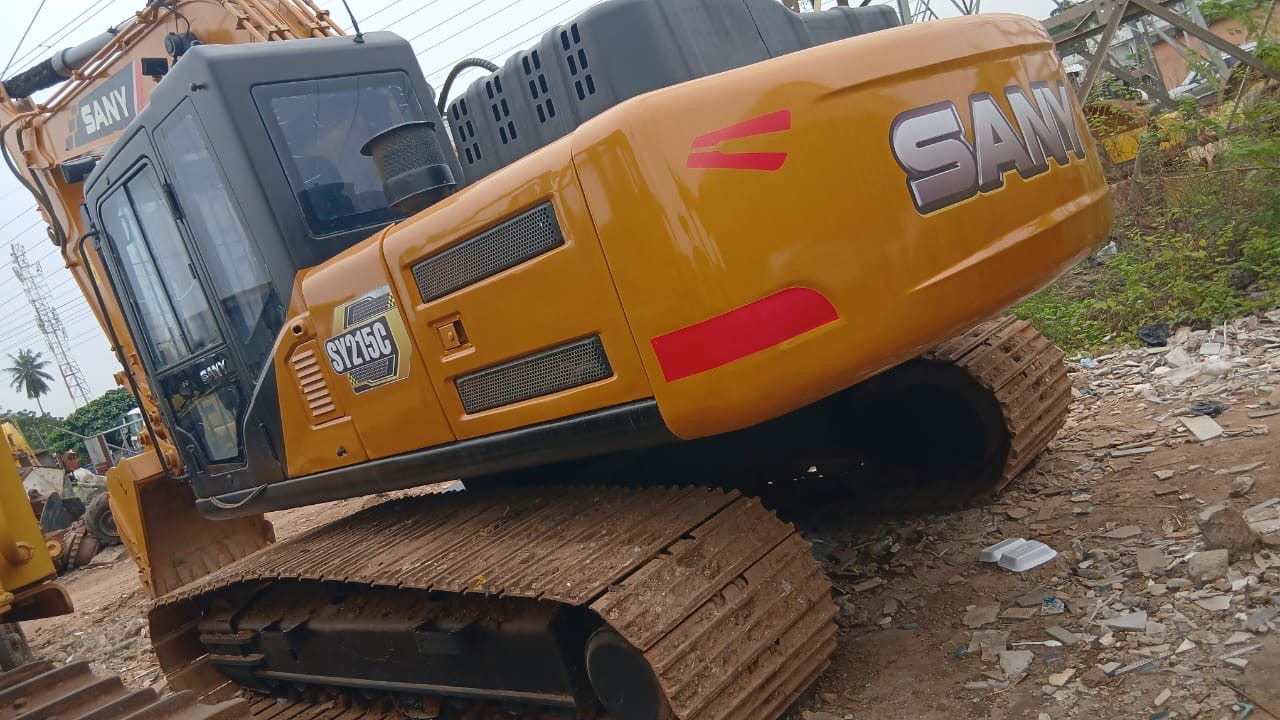
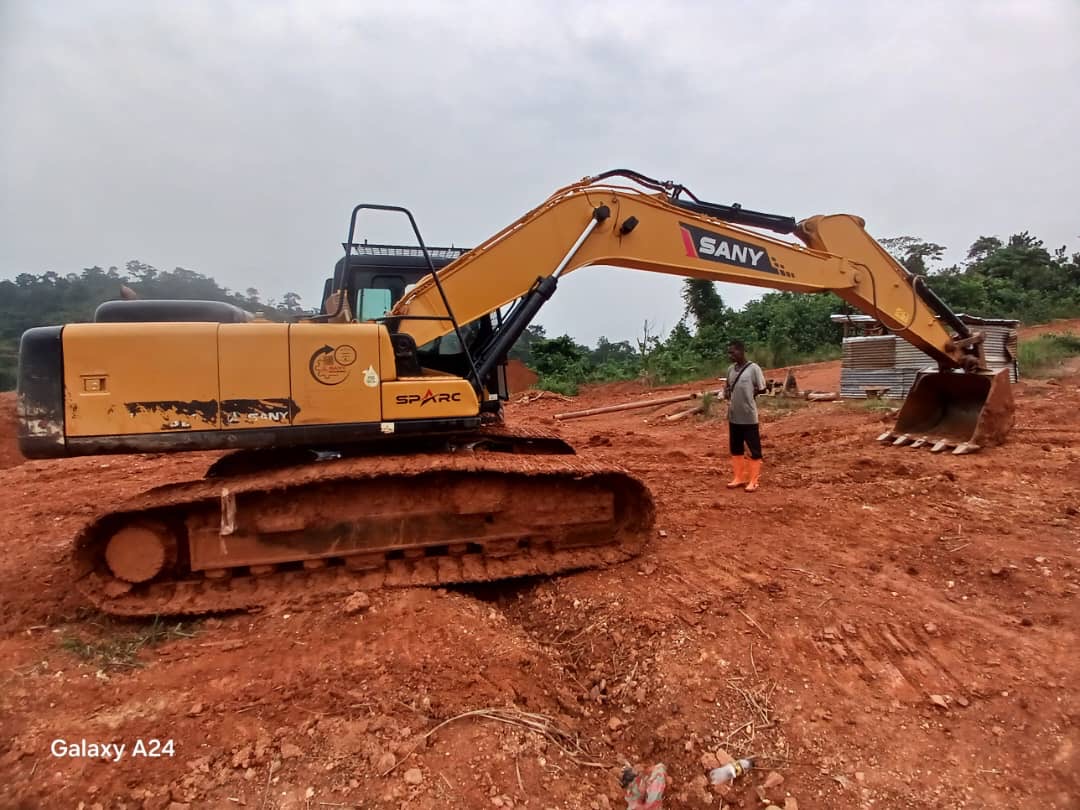
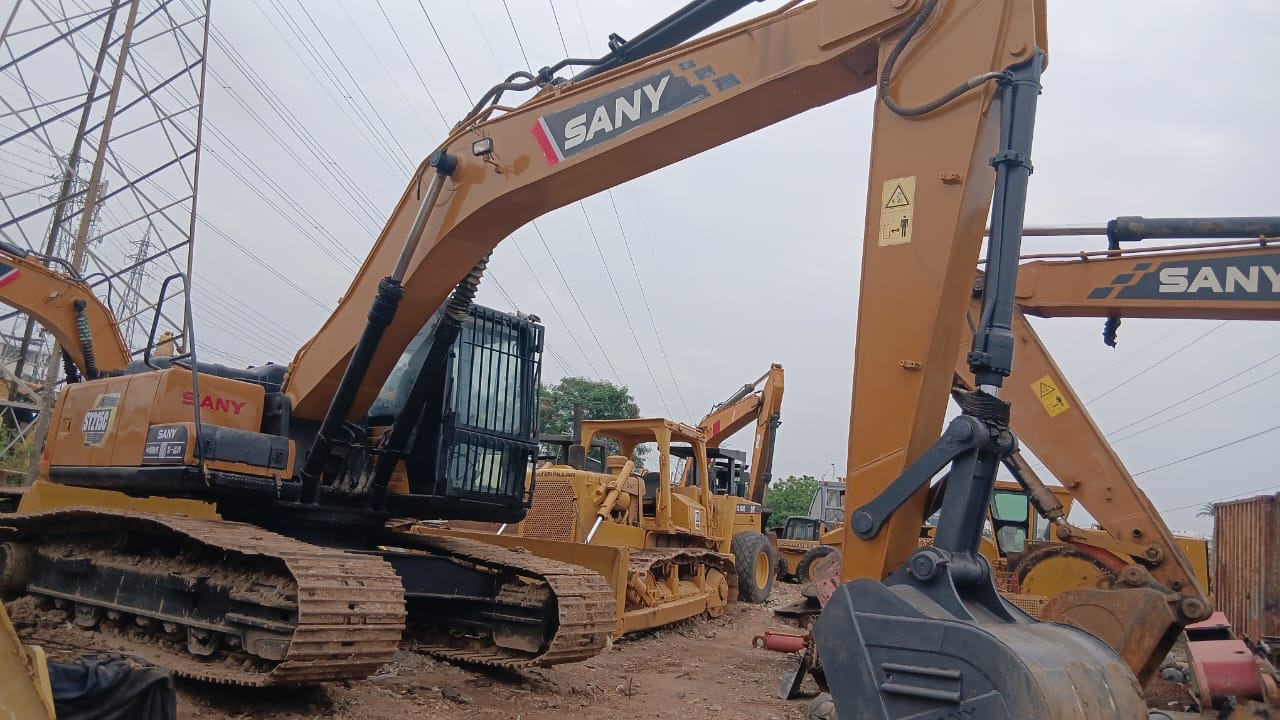
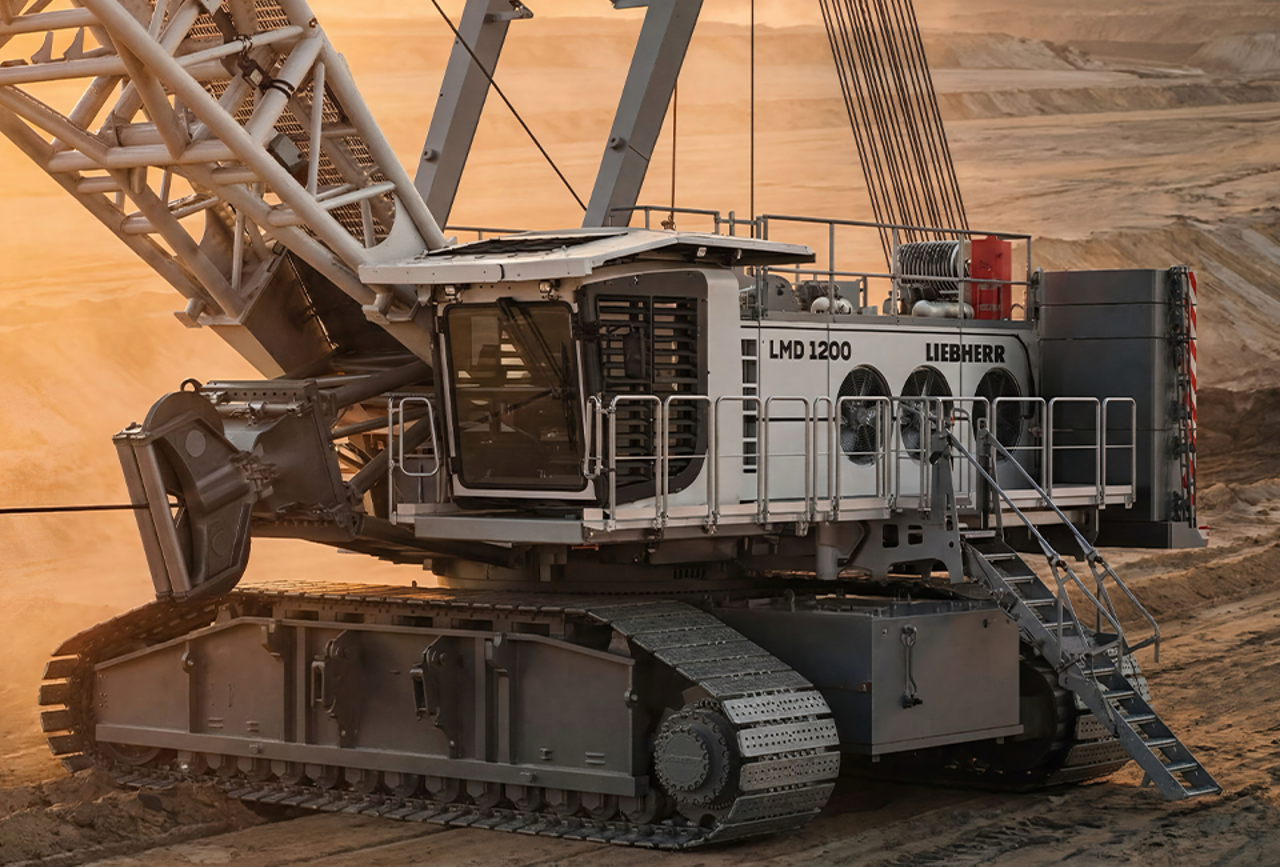
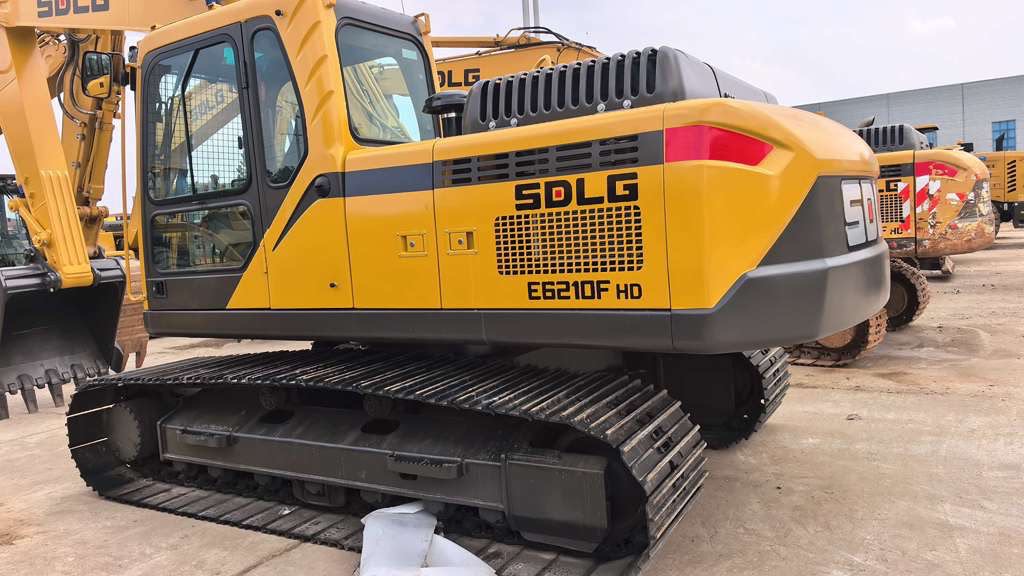
Excavators ranging from 36 to 90 tonnes (e.g., Cat 336 to 6015) are used to load blasted rock.
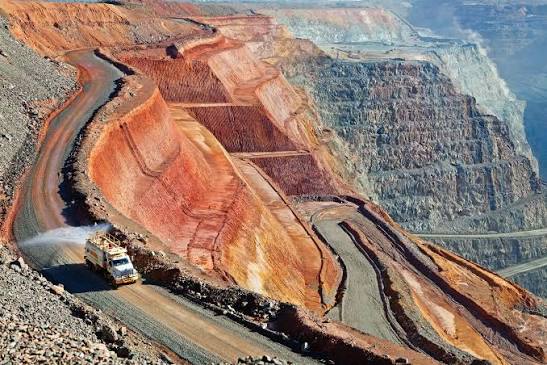
Articulated Dump Trucks (ADTs): The 40-tonne class (Cat 745, Volvo A40G) is the workhorse of smaller open pit and narrow vein mines. Larger operations require rigid dump trucks (100-tonne capacity).
Dozers and Graders: Used for pit preparation, road maintenance, and tailings dam building.
Drilling Rigs: Top-hammer surface drills for production and grade control are in high demand among contractors.
Auxiliary and Support Equipment:
Telescopic handlers and wheel loaders used for mill feeding and mine site logistics.
Critical infrastructure, such as mobile lighting towers, dewatering pumps, and generators, is virtually always rented.
Underground Fleet (High Barrier, High Reward): Countries with substantial underground gold mines, such as Ghana and Mali, experience a chronic lack of hired jumbos, bolters, and LHDs. This is a specialized area with fewer rivals but demands extensive technological expertise.
- Country-specific hotspots Not every West African market is equal. Your plan should tier them based on risk and opportunity:
Country OpportunityKey Consideration Ghana is a Tier-One jurisdiction. Mature gold sector (Newmont, Gold Fields, and AngloGold). There is strong demand for both surface and subsurface equipment. Contract mining is firmly entrenched.The junior market is very competitive and price sensitive. Côte d’Ivoire is rapidly emerging. Significant finds of gold (Barrick, Endeavour) and bauxite/nickel. Pro-business government actively seeks investment.Infrastructure in new mining districts can be inadequate. Burkina Faso boasts world-class gold geology with numerous operational mines. High demand for renting as security concerns prevent firms from deploying their own huge fleets.Severe security threat (jihadist insurgency). Armed escorts, reinforced logistics, and costly insurance are all required. Premium rental charges are conceivable. Mali is Africa’s fourth largest gold producer (after Barrick, B2Gold, and Resolute). There has been a long history of contract mining.High political danger following 2020 coups, with a new mining code requiring state equity. Despite sanctions and a tough operating climate, miners continue to produce. Guinea has the world’s greatest bauxite reserves. Massive project-driven need for large earthmoving fleets for mining development and infrastructure.Political danger, complicated logistics from port to mine, and a strong presence of major contract miners. Senegal’s gold industry is stable and rapidly growing. Strong rule of law.Smaller market size, fewer active mines, and lower risk. 4. Critical challenges to address. The opportunity exists, but the reasons why it is undersupplied are severe:
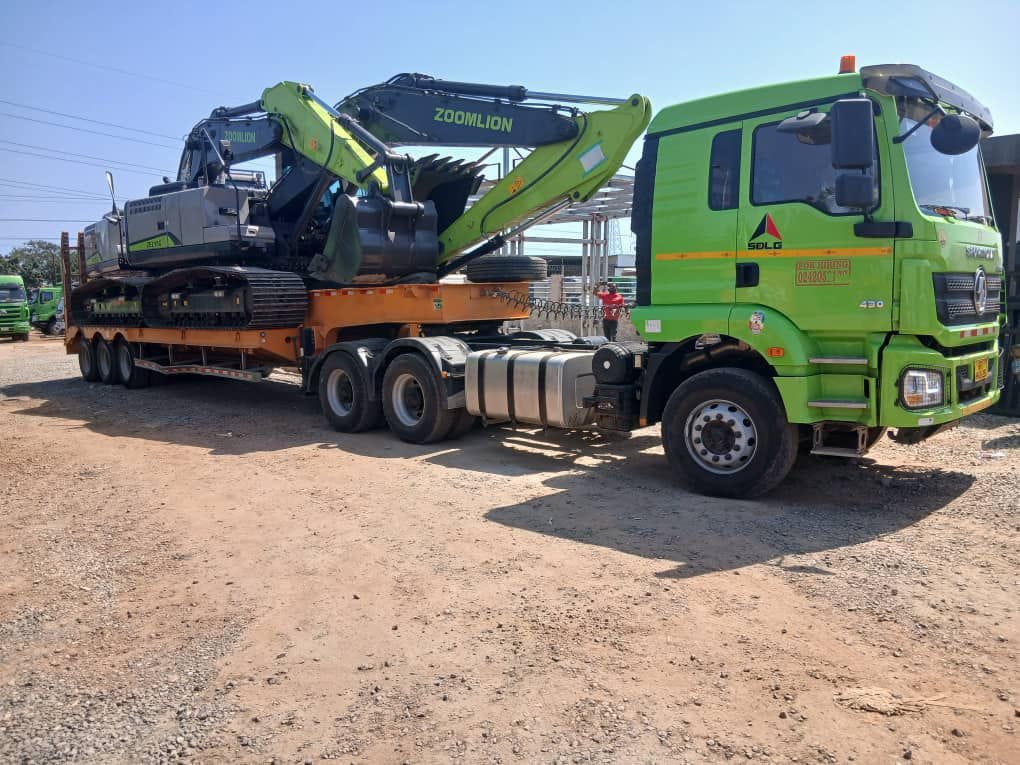
Logistics and Importation: Moving a 60-tonne excavator from Abidjan port to a mine in northern Burkina Faso is a big endeavor that requires wide-load convoys, police escorts, and sometimes bad roads. Delays are costly.
Foreign Exchange (FX) Risk: While invoices are virtually always in USD or EUR, cost bases are partially local (CFA Franc and Cedi). The inability to promptly repatriate hard currency is a serious issue, particularly in Nigeria (which is less of a mining hub) and, to a lesser extent, Ghana.
Maintenance and skill gaps are the single most common failure point. You can’t simply drop items at a mining gate. You must provide in-country technical support through expatriate and educated local mechanics, or collaborate with a local firm that possesses this competence. Component rebuilding is frequently unfeasible locally, necessitating the use of an expensive exchange pool in the country.
Beyond full-fledged combat zones, petty crime and fuel theft are common on mine sites. Asset recovery from a defaulting client in a remote place is a complex legal and practical challenge.
- Winning Entry Strategies. Rushing in with a fleet of yellow iron is a formula for disaster. Consider the following approaches:
Dealership-Direct Rental: If you represent a large OEM (CAT, Komatsu, Volvo, Sandvik), set up a specialized rental fleet in your zone. Epiroc and Sandvik employ this drill model. It takes advantage of existing workshop infrastructure and parts supply.
Joint Venture with a Regional Logistics/Equipment Firm: Form a partnership with a well-connected local company (for example, in Ghana or Côte d’Ivoire) that knows customs clearance, local labor regulations, and has secure yard facilities. They offer the “last mile” capacity.
Operator-Maintained Dry Rental is the lowest-risk entrance. Rent the unit “bare,” with the client responsible for operation and routine upkeep. You offer scheduled significant services. Suitable for basic assets (lighting towers and pumps), but unsafe for complicated equipment without client skill verification.
Wet Rental / Contract Mining Lite: Equipment rental with an operator and gasoline, payable hourly. This is the most popular model for short-term employment and charges a premium, but it necessitates extensive operational experience and a mobile maintenance personnel.
Contractors’ preferred partner: the most direct path. Approach major contract miners (who have the technical expertise but require fleet flexibility) and offer a fleet on a long-term, non-cancelable financial lease or rental deal. This affords them balance-sheet relief while also providing you with a creditworthy counterparty.
Conclusion The West African mining equipment rental market is a high-margin, high-barrier-to-entry opportunity best suited to firms with existing regional logistical infrastructure or the cash to construct it. The surge in gold exploration and the permanent shift toward contract mining indicate that demand will surpass supply for the foreseeable future, particularly for late-model, well-maintained earthmoving and underground equipment.
The major differentiation is not the metal, but the complete support package, which includes parts availability, rapid response maintenance, and an FX-resilient commercial framework. If you can overcome these obstacles, you will be able to command high day rates and establish a viable business in one of the world’s last big mining frontiers.