
Investing in a Ghana-based excavator rental company can be a lucrative venture, driven by the country’s booming market for construction, mining, and infrastructure sectors. However, it requires careful planning, local knowledge, and a strong risk management strategy. Below is a comprehensive guide covering the opportunity, costs, revenue potential, legal requirements, risks, and practical steps.
1. Why Ghana? The Market Opportunity
Ghana’s economy relies heavily on gold, cocoa, oil, and an expanding services sector. Recently, the government has prioritized infrastructure development, and private real estate is growing rapidly in cities like Accra, Kumasi, and Takoradi.
Key demand drivers for excavator rentals:
- Infrastructure projects: Road construction, bridges, railways, and the controversial but ongoing Sinohydro Master Project (roads-for-bauxite swap). Even with shifting timelines, road rehabilitation contracts are consistently awarded.
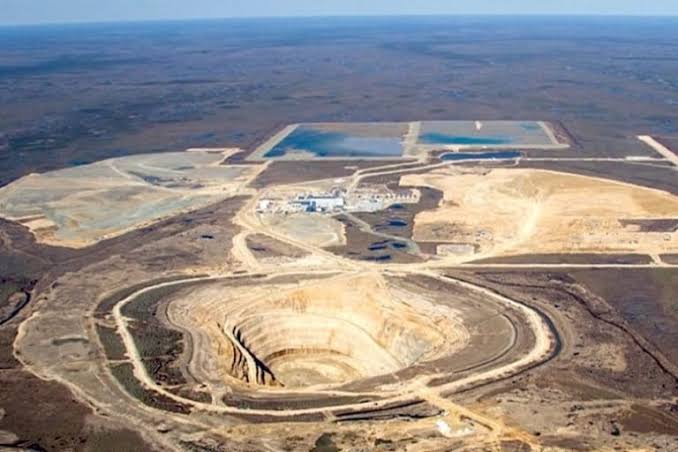
- Mining: Large-scale gold mines (Newmont, Gold Fields, AngloGold Ashanti) and a massive small-scale/artisanal mining sector (galamsey). Many licensed small-scale miners prefer renting equipment to avoid capital expenditure.
- Real estate & urban development: Housing projects, commercial buildings, and drainage/earthworks in flood-prone Accra.
- Agriculture: Large mechanized farms and irrigation projects sometimes need earthmoving equipment to get the land ready.
- Disaster response: Flood control desilting and landfill management contracts with metropolitan assemblies.
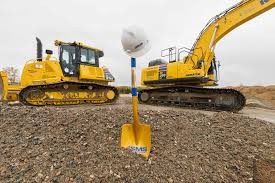
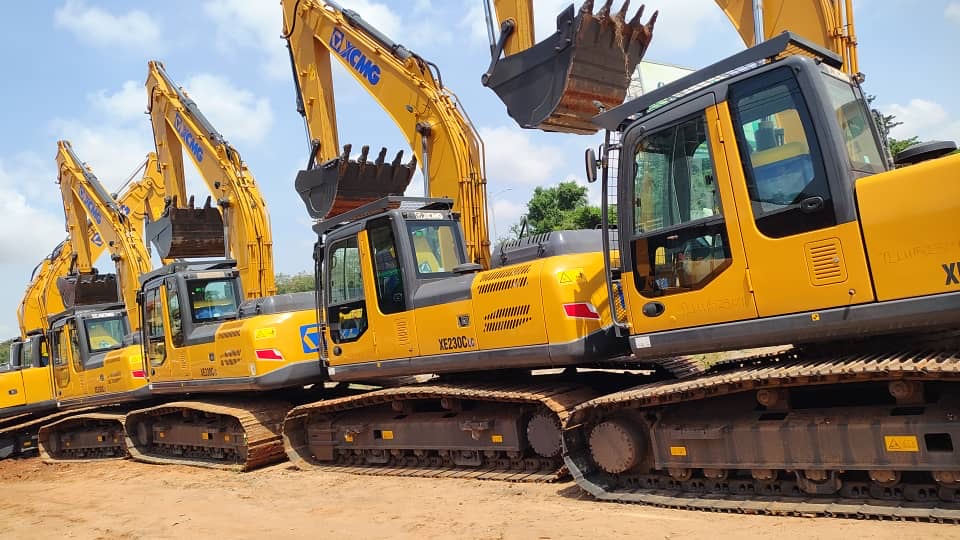
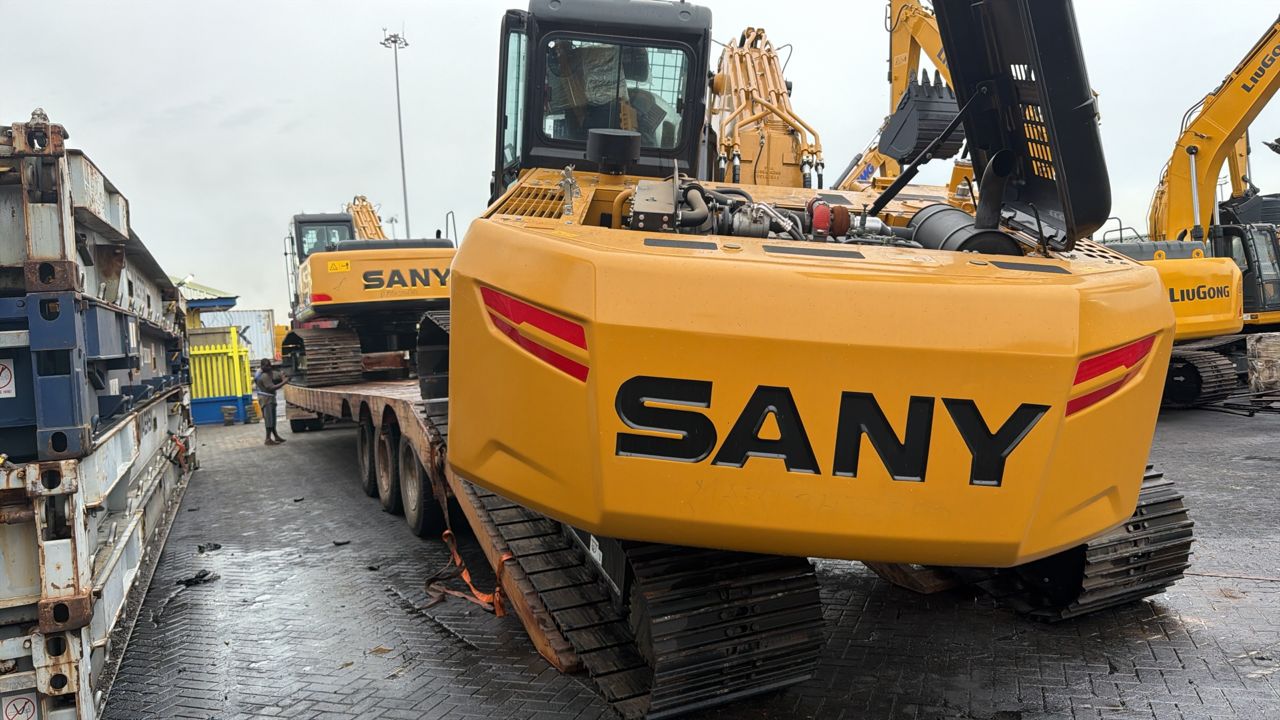
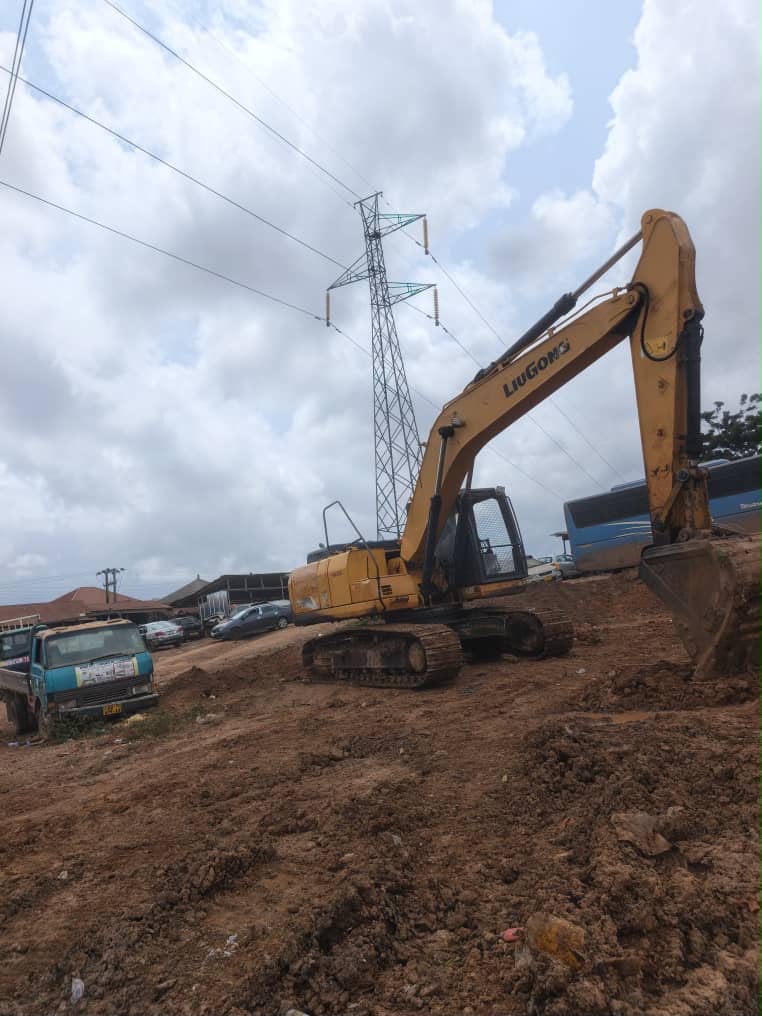
Market gap: While there are established players (e.g., Taysec, Jospong Group subsidiaries, Bia Tractor, Equipment Parts and Services), equipment availability is often constrained, especially for well-maintained late-model machines. A professionally managed fleet with reliable uptime can command premium rates and long-term contracts.
2. Demand Cycles & Pricing
- Rental rates (approximate, subject to negotiation and region):
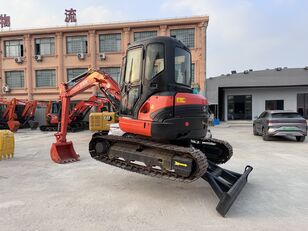
- 20–22 ton crawler excavator (e.g., Cat 320, Komatsu PC210): $90–$130 per hour, or $800–$1,200 per 8-hour day. Long-term monthly dry rental (without operator/fuel) can be $6,000–$9,000/month.
- Smaller 8–10 ton excavators: $50–$70 per hour.
- For wet rentals (with operator, fuel, and maintenance), add a 30–40% premium.
- Seasonality: Road projects peak in the dry season (November–April). Rainy months slow down earthworks, but urban demolition and mining continue.
- Payment terms: Government contracts may have 30–90 day payment cycles, straining cash flow. Private clients often pay faster but may be smaller volume.
3. Investment Breakdown
Initial Capital Expenditure (CAPEX)
| Item | Approximate Cost (USD) | Notes |
|---|---|---|
| New 20-ton excavator | $180,000 – $250,000 | Cat, Komatsu, Sany, XCMG. Sany/XCMG cheaper, but residual value and parts availability matter. |
| Used excavator (5–8 years old) | $70,000 – $120,000 | Must import; rigorous inspection essential. Consider Japan/Europe origin. |
| Import duties & taxes | 25–40% of CIF value | Import duty, VAT (12.5%), NHIL, GETFund, ECOWAS levy, etc. Total can reach ~35% on used construction equipment. Get exact HS code tariff from a customs agent. |
| Shipping & clearance | $6,000 – $12,000 per unit | From port (Tema) to yard. |
| Spare parts initial stock | $5,000 – $15,000 | Filters, undercarriage parts, hydraulic hoses, cutting edges. |
| Service vehicle / pickup | $25,000 – $40,000 | Essential for mobile maintenance. |
| Tools, fuel tank, yard setup | $10,000 – $20,000 | Depending on owned or rented yard. |
Total startup cost for one decent excavator (used) plus support: roughly $120,000–$180,000. A fleet of 3–4 units with backup could reach $400,000–$700,000.
Operational Expenditure (OPEX) per machine per month
- Operator salary: $300 – $600 (depending on skill, overtime). A skilled operator with mining experience costs more.
- Fuel: Approx. 10–15 litres per hour. At $0.90–$1.10 per litre (prices fluctuate, cedi depreciation matters), that’s ~$100–$150 per 8-hour shift. Monthly fuel: $2,500–$4,000 if working 20+ days.
- Maintenance & repairs: Rule of thumb: budget 10–15% of rental revenue on maintenance and parts annually. Undercarriage wear is high in rocky terrains (common in southern Ghana). Budget $1,000–$2,000 per month on average.
- Insurance: Comprehensive plant insurance ~2–3% of machine value annually.
- Security/tracking: GPS tracking systems (e.g., Cartrack) $30–$50/month.
- Yard/storage: $500–$1,500/month if rented.
- Admin, permits, misc: $300–$500/month.
Assuming 70% utilization (20 working days/month), a used 20-ton excavator at $1,000/day gross revenue = $20,000/month. After OPEX (fuel $3,500 + operator $500 + maintenance $1,500 + insurance $300 + other $500 = ~$6,300), gross margin before depreciation and interest can be $13,700/month. That recoups a $120k investment in 9–12 months if the machine works consistently and payment collection is timely. In practice, utilization, breakdowns, and delayed payments stretch the payback to 2–3 years.
4. Legal & Regulatory Framework
- Business registration: Register with the Registrar General’s Department (RGD) as a limited liability company. A foreigner can own 100% but must meet minimum foreign equity requirements (at least $500,000 for a wholly foreign-owned trading enterprise, but lower for certain services; confirm with Ghana Investment Promotion Centre – GIPC). For an equipment rental company, the GIPC minimum capital for non-Ghanaian is **$250,000** in equity (paid-up capital) if you want a majority stake. Joint venture with a Ghanaian partner reduces this to $100,000. Verify current thresholds.
- GIPC registration: Required to obtain investment quota, expatriate work permits, and tax incentives.
- Tax registration: VAT, Corporate Income Tax (25%), withholding tax on rental payments (pass-through). Plant hire often attracts 5% withholding tax.
- Environmental permits: Not typically required for the rental company itself, but clients may demand proof of emissions compliance. Mining clients may require EPA certification from the operator.
- Mining regulations: If renting to small-scale miners, ensure they have valid mining licenses (Minerals Commission). Renting to illegal operators (galamsey) carries severe reputational and legal risk; many responsible companies avoid this completely.
- Work permits & quotas: Expatriate owners/technicians need quotas and residency permits.
Tip: Hire a seasoned local lawyer and accountant. Corporate documents (MOU, rental contracts) must be watertight, especially concerning late payment penalties and equipment retrieval rights.
5. Competitive Landscape & Strategy
Competitors:
- Large mining support service companies (African Mining Services, Maxmass, etc.) with big fleets.
- Jospong Group (Zoomlion) involved in waste and civil works; they self-own.
- Chinese contractors who often bring their own equipment, then sell used units locally.
- Numerous small owner-operators with one or two machines competing aggressively on price.
Differentiation strategies:
- Fleet reliability: Offer newer, well-maintained machines with guaranteed uptime. Charge a premium.
- Flexible rental models: Dry rental, wet rental, lease-to-purchase (especially attractive for small miners who want to eventually own).
- Niche focus: Specialize in swamp excavators (long-reach) for drainage projects, or demolition excavators with attachments. Attachments (breakers, grabs, rippers) add revenue.
- Geographic positioning: Tarkwa, Obuasi, and Kumasi are mining/construction hubs. Accra has volume but more competition. A yard in the Western or Ashanti Region could serve gold mines better.
- Technology: GPS tracking, remote diagnostics, and automated service scheduling.
6. Key Risks & Mitigations
| Risk | Mitigation |
|---|---|
| Cedi depreciation (USD debt, cedi revenue) | Invoice in USD or index-linked to FX; negotiate with clients (mining companies often pay in USD). Secure USD-linked contracts where possible. |
| Payment delays (govt contracts) | Avoid pure government direct contracts without a confirmed payment structure. Work through established contractors. Demand mobilisation advance. Stop-work clauses. |
| Equipment theft/parts theft | GPS tracking with ignition immobilizer, secure yard, insurance, community liaison. Theft is particularly high in some mining areas; thorough operator vetting. |
| Breakdown & lack of parts | Stock critical parts locally. Standardize fleet on one or two brands. Have a qualified mechanic on payroll. For Chinese brands (Sany, XCMG) ensure a reliable local dealer. |
| Accidents & liability | Comprehensive insurance (third party, own damage). Clear contracts assigning liability. Train operators regularly. |
| Regulatory changes (import bans, environmental) | Monitor policy. Some used equipment age restrictions may apply (max 10–15 years). Keep government relations. |
| Land disputes / access | Ensure client provides secure site access. Don’t deploy without a signed agreement and site inspection. |
7. Practical Steps to Start
- Market research trip: Visit Ghana, meet contractors, mining company procurement managers, and equipment dealers (e.g., Mantrac Ghana – Caterpillar dealer, CFAO Equipment – Komatsu, Sany Ghana). Understand real demand and rates.
- Secure a local partner/consultant: A trusted Ghanaian partner can navigate bureaucracy, land, and client introductions. This can be a minority shareholder or a well-compensated local manager.
- Set up legal entity and bank accounts: GIPC registration, tax ID, company bank account (preferably in USD and GHS). Consider Ecobank, Stanbic, Absa.
- Source equipment: Decide between new machines with warranty (lower downtime, higher cost) or inspected used machines from Japan/Belgium. Used auctions (Ritchie Bros.) can be a source, but factor in shipping and duties. Consider Sany or XCMG for cost advantage; their Ghana presence is growing.
- Import, clear, and commission: Use a reliable freight forwarder. Once landed, do a full service, repaint, install GPS, and test thoroughly.
- Hire core team: A workshop manager/mechanic, an operator per machine, an administrator/accountant, and a salesperson. Operator training for safety and efficiency is crucial.
- Marketing: Direct visits to construction sites, mining concessions, and contractors. Register with the Association of Ghana Industries and Chamber of Mines. Word-of-mouth is king; first jobs must be flawless.
- Pilot and scale: Start with 2–3 machines to prove the concept and refine collection cycles. Reinvest profits to expand fleet or add complementary equipment (bulldozers, wheel loaders) to offer bundled services.
8. Financing Options
- Equity investment: Own capital or joint venture with a local partner.
- Asset financing in Ghana: Banks (Stanbic, Ecobank, Absa) offer equipment loans but interest rates are high (20–30% per annum) and cedi-denominated. They often require 30–50% down and security.
- Development finance institutions: DFIs like DEG, FMO, or African Development Bank’s lines of credit sometimes support SME equipment financing through local banks.
- Supplier credit: Some Chinese manufacturers (Sany, XCMG) may offer deferred payment terms or leasing arrangements via their export-credit agencies. Explore Sinosure-backed deals.
- Leasing: Operate as a lessor, but also consider leasing equipment from larger international leasing companies, then sub-renting (margin smaller but less capital intensive).
9. Exit Strategy
- Sell the company as a going concern to a larger construction/mining support firm seeking expansion in West Africa.
- Sell individual machines into the robust used-equipment market.
- List on the Ghana Stock Exchange (long-term) if fleet grows significantly.
Final Thoughts
An excavator rental business in Ghana sits at the intersection of resource extraction and infrastructure spending – both national priorities. Profitability hinges on utilization rate, maintenance, and payment collection. The risks (FX, delayed payments, equipment breakdown) are real but manageable with disciplined management and a deep local network. I recommend starting small, building a reputation for reliability, and scaling once you have a steady contract pipeline and a solid team in place.