
I am aware that you are considering establishing a heavy equipment rental company in West Africa. Although it has a lot of potential, the industry is operationally challenging. A organized guide outlining the main points you must take care of is provided below.
- Regional Hotspots & Market Demand
The following factors fuel West Africa’s need for heavy machinery:
Roads, bridges, ports, and railroads are examples of infrastructure development that is frequently funded by China, Europe, or other countries.
Gold (Ghana, Mali, Burkina Faso), iron ore (Guinea, Sierra Leone), bauxite (Guinea), limestone, and aggregates are all mined and quarried.
Oil and gas (offshore and onshore support) in Senegal, Ghana, and Nigeria
Large-scale land clearance, building dams, and irrigation are examples of agriculture and agro-processing.
Urbanization is the building of homes and businesses in places like Dakar, Lagos, Abidjan, and Accra.
High-demand nations include Guinea (mining boom), Burkina Faso/Mali (security hazards but mining), Côte d’Ivoire (fast-growing, Francophone), Senegal (stable, Francophone West African center), Ghana (stable, English-speaking), and Nigeria (biggest market, but complex).
Start in a regional center (e.g., Senegal for Francophones, Ghana for Anglophones, or Côte d’Ivoire for Francophones) and grow cross-border under ECOWAS trade procedures.
- Options for Business Models
Pure rental (dry or wet):
Dry rental: operator, fuel, and maintenance are provided by the client; machine only.
Wet rental: you supply the operator, fuel, and upkeep. more prevalent in West Africa due to clients’ frequent need for turnkey solutions and lack of skilled operators. greater margin but greater danger.
Rent-to-buy and lease-to-own are common among contractors who eventually desire ownership. demands a thorough credit evaluation.
equipment provision for certain projects, collaborating with big mining and construction firms for long-term employment.
old equipment resale is a supplementary source of income that involves importing, renting, and eventually selling high-quality old machinery.
Because of the operator/maintenance gap, wet rental usually prevails in this market.
- Regulatory and Legal Framework
Country-specific requirements vary, but often consist of:
Register your business and create a local company (Ltd, SARL, etc.). If you’re international, you might need a local partner in several nations (e.g., Ghana’s GIPC requirements for specific sectors, Nigeria’s local content legislation). Verify the investment codes.
Municipal operating permits and environmental clearance for gasoline and lubricant storage are examples of business licenses and permits.
Tax registration: VAT, corporate income tax, and rental withholding taxes.
Import taxes and exemptions: Heavy machinery sometimes incurs hefty taxes (0–20%). Certain nations provide exemptions for infrastructure, agriculture, and mining projects. Hire a customs broker as soon as possible.
Third-party liability and comprehensive equipment insurance (typically underwritten locally with reinsurance from overseas markets) are examples of insurance. Insurance against equipment theft and accidents is essential.
The ECOWAS Trade Liberalization Scheme (ETLS) primarily facilitates the cross-border movement of machinery for pure rentals, although it can aid if you manufacture or assemble locally.
Suggestion: Engage a local corporation attorney and a tax advisor with expertise in businesses that rely heavily on machinery.
- Sourcing and Selection of Equipment
West African machines that are most rented:
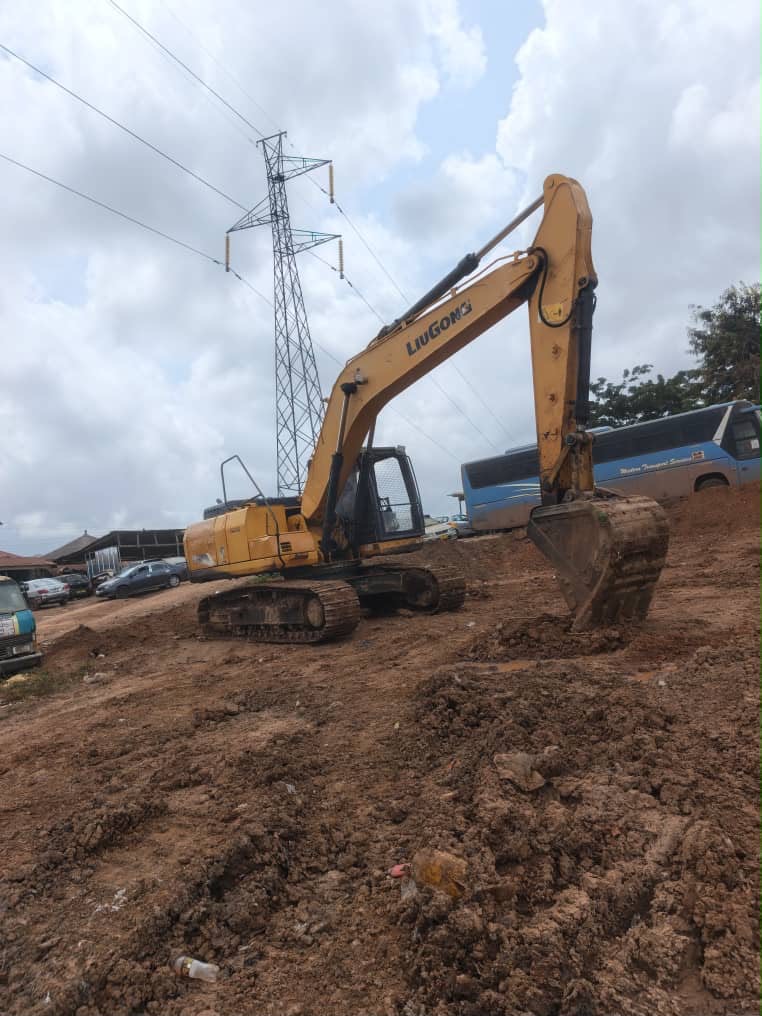
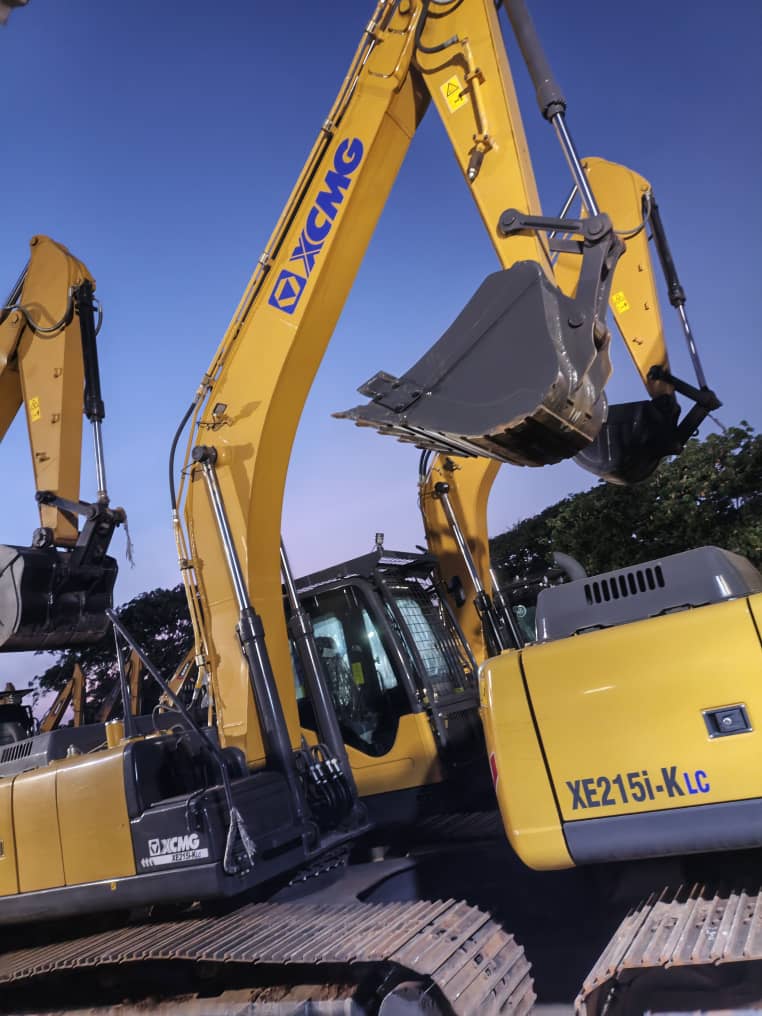
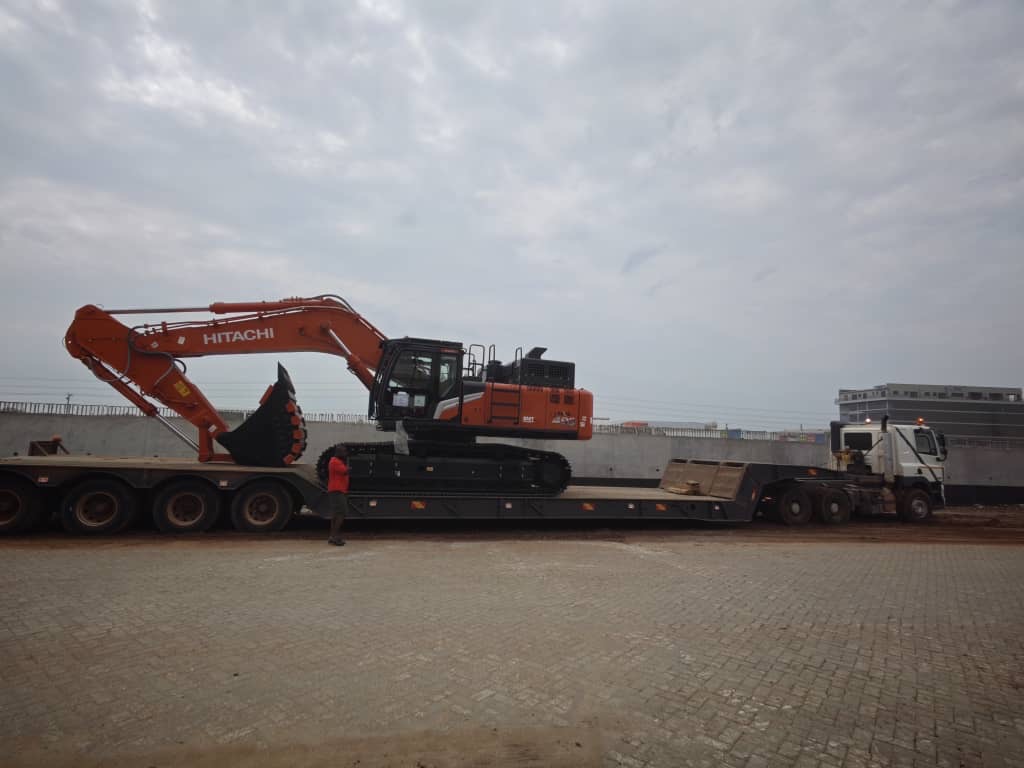
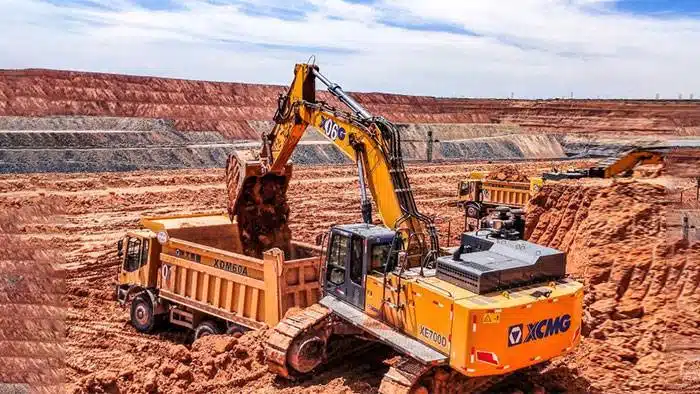
The foundation of mining and construction are excavators (20–50 tons).
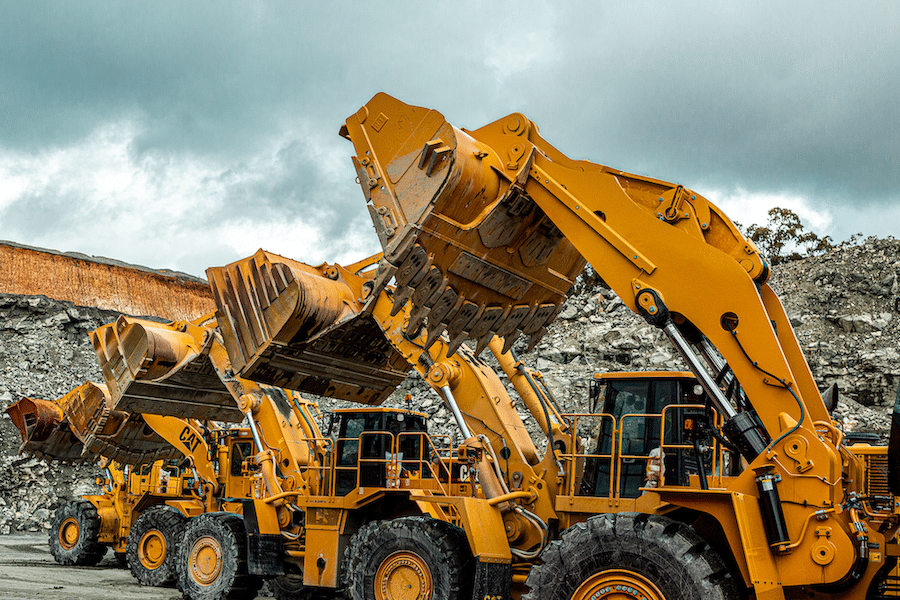
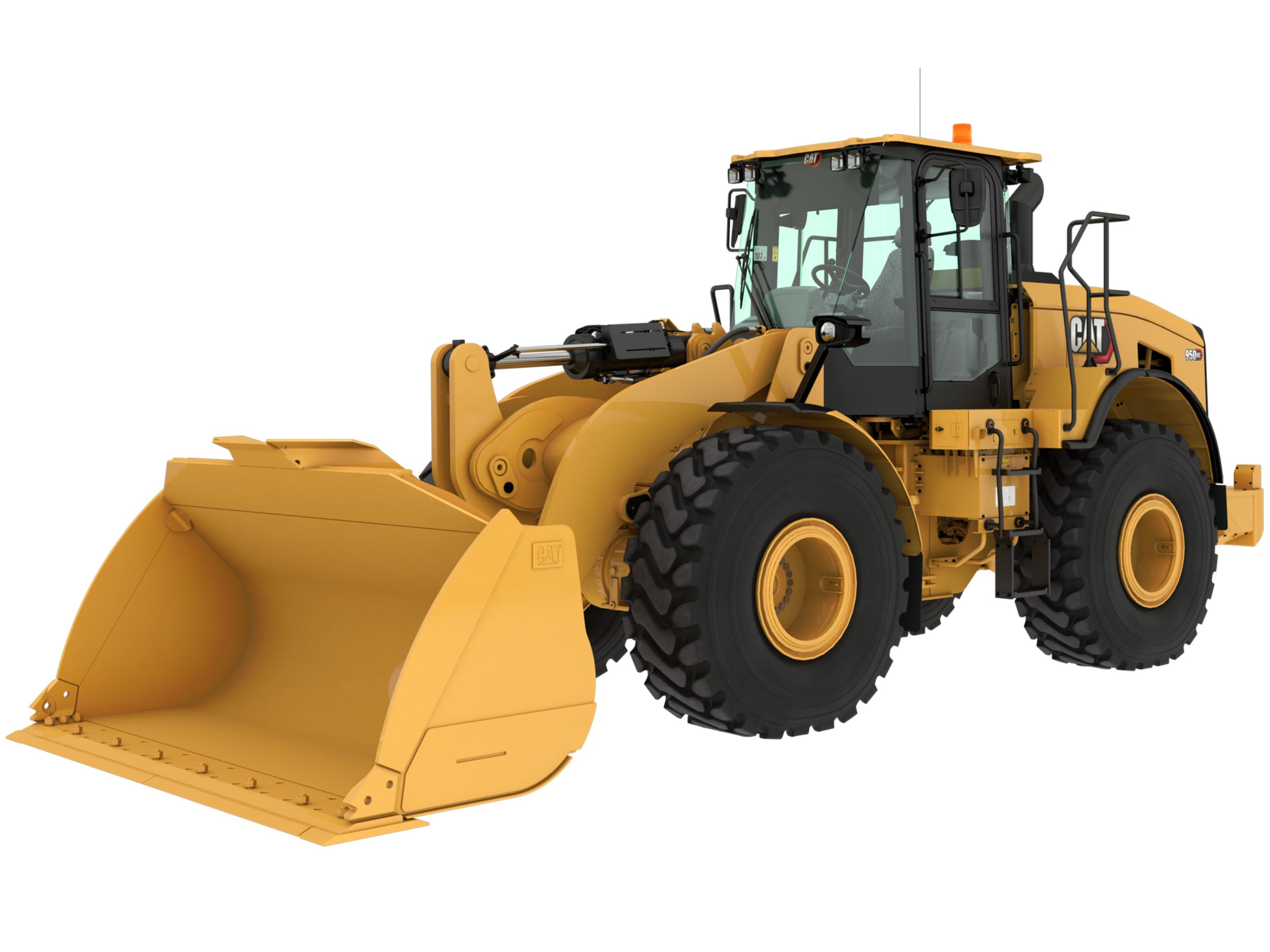
Backhoe loaders and wheel loaders
Bulldozers (class D6–D9)
Graders for motors
Rough-terrain cranes and mobile cranes (20–100 tons)
Dump trucks (rigid and articulated)
Transit mixers and concrete pumps
Compactors and rollers
Compressors and generators (typically as support)
Strategy for sourcing:
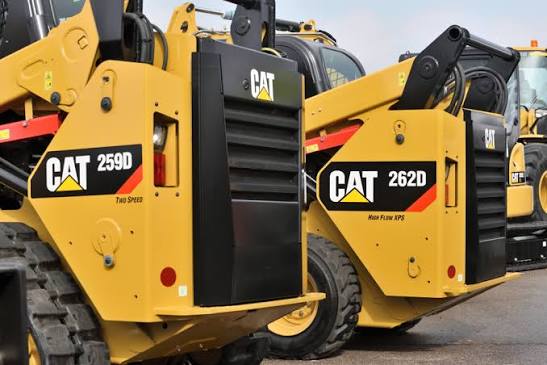
Caterpillar, Komatsu, Volvo, SANY, XCMG, and LiuGong are examples of new machinery. In Africa, Chinese companies like SANY and XCMG provide competitive prices and improving parts support. Think about regional vendors (e.g., Mantrac in Ghana/Nigeria, JA Delmas for CAT in Francophone West Africa).
Import high-quality used equipment from the US, Japan, or Europe. popular auctions (Ritchie Bros.), but take into account the expenses of shipment, inspection, and renovation.
Parts and consumables: Make sure there is a supply chain for tires, filters, undercarriage, and GET (ground engaging tools). For the exchange of parts and services, several rental firms partner with a dealer.
Crucial choice: Stay with businesses that have established dealer networks in the nation you are targeting. A cheap machine becomes a stranded asset if local parts are unavailable.
- Fleet Financing
Equipment requires a lot of capital. Choices:
Purchasing with cash gives you complete control but depletes your operating capital.
Commercial banks (e.g., Ecobank, Stanbic, Î Générale) or development finance organizations (IFC, Afreximbank, regional DFIs) provide equipment financing and leasing. USD/EUR financing may be less expensive, but it carries FX risk because local currency interest rates might be high (10–25%).
Supplier credit: Deferred payment terms are offered by certain manufacturers, particularly Chinese ones.
Export credit companies may guarantee loans whether purchasing from the US (EXIM) or Europe (UKEF, Bpifrance).
Joint ventures and equity investors can collaborate with a regional conglomerate or a foreign rental organization that is already considering the area.
You function as a distributor or sub-renter under an operating lease from a larger group.
Strong contracts (offtake agreements with respectable miners and contractors) and political risk insurance will be necessary for lenders.
- Base setup and logistics
The main workplace and yard are located near important road infrastructure in a safe, walled enclosure with hardstand parking. Think about being close to an industrial zone or an ICP (inland container port).
Workshop equipment includes a tire bay, welding section, lubrication service truck, cranes and hoists, and diagnostic tools.
For on-site repairs, field service trucks are essential. Provide a compressor, a crane, simple tools, and quick replacement parts.
Fuel and fluid management: bulk storage with stringent inventory control to deter theft; fuel is a significant operating expense.
Security: There is a genuine risk of equipment theft. immobilizers, geofencing, GPS tracking (such as Orbcomm and Gurtam), and round-the-clock security guards.
- Skills & People
The largest operating difficulty is the lack of qualified mechanics and operators. Techniques:
Invest in training programs and hire from nearby technical colleges (dealers frequently offer operator training).
Employ foreign workers for important technical positions (chief mechanic, workshop manager) at first, with a clear strategy toward localization.
To lower employee turnover, offer competitive compensation, housing, and medical benefits.
Language: French-speaking managers are required in Francophone markets; English is required in Nigeria and Ghana. Portuguese for Cape Verde and Guinea-Bissau.
Implement stringent usage guidelines and telemetry monitoring because driver/operator behavior can make or break your maintenance expenditures.
- Principal Hazards and Reduction
Risk Reduction
Instability in politics and securityPrioritize stable nations first; obtain political risk insurance (MIGA, ATI); and diversify internationally.
Currency depreciation and FX shortage: Hold a small amount of local currency; employ hedging if available; invoice in hard currency when feasible (e.g., projects with overseas clients).
Payment defaults: Use performance bonds for large projects; get advance payments or deposits; obtain credit insurance; and hold onto legal ownership until final payment.
GPS tracking, insurance, local security, client screening, and equipment theft/damage.
Lack of parts and downtimeKeep an inventory of essential parts, OEM service contracts, and flexibility across many brands.
Bureaucracy and corruptionEmploy a trustworthy local partner or seasoned country manager and implement a rigorous compliance program (FCPA/UK Bribery Act standards). - The Competitive Environment
Although regional players predominate, incumbents include major international rental businesses (such as Loxam and United Rentals, which are less prevalent in West Africa):
BIA Group (CAT distributor in numerous Francophone nations)
Mantrac (CAT in Nigeria, Ghana, etc.)
Pan-African Equipment Leasing
There are numerous unofficial local vendors with two to five machines.
A well-funded, expertly run rental business with a contemporary fleet, accessibility, and technical assistance is welcome. Unreliable local rents are a common source of complaints from construction companies.
- Action Plan for First Steps
Choose your beachhead nation; Ghana or Côte d’Ivoire are frequently suggested starting points (stable, demand, English/French).
Perform a thorough feasibility analysis, measuring demand, rival prices, import expenses, and anticipated utilization rates (aim for 70–80% for popular commodities).
If necessary, register a business and find a local partner or director.
Find and acquire land for a workshop and yard.
Develop ties with project owners and principal contractors; letters of intent or pre-commitments can help get funding.
Start with a core fleet, which can include three to five excavators, two wheel loaders, one bulldozer, one grader, and support equipment. Examine the market.
Establish telematic maintenance and monitoring procedures right away.