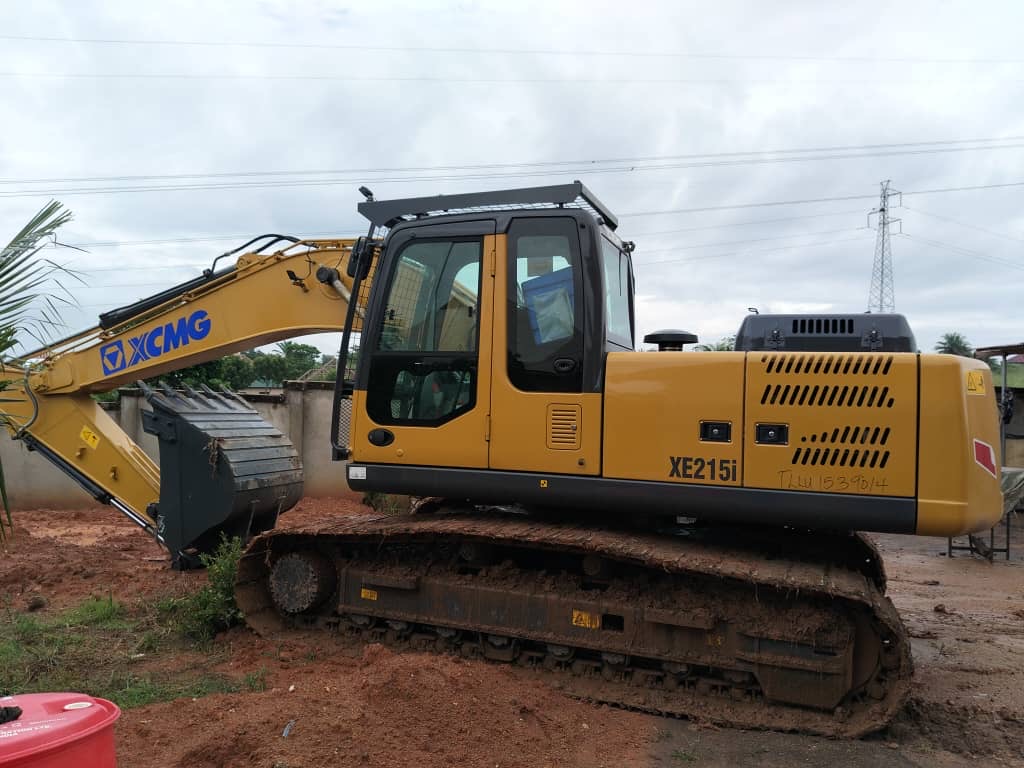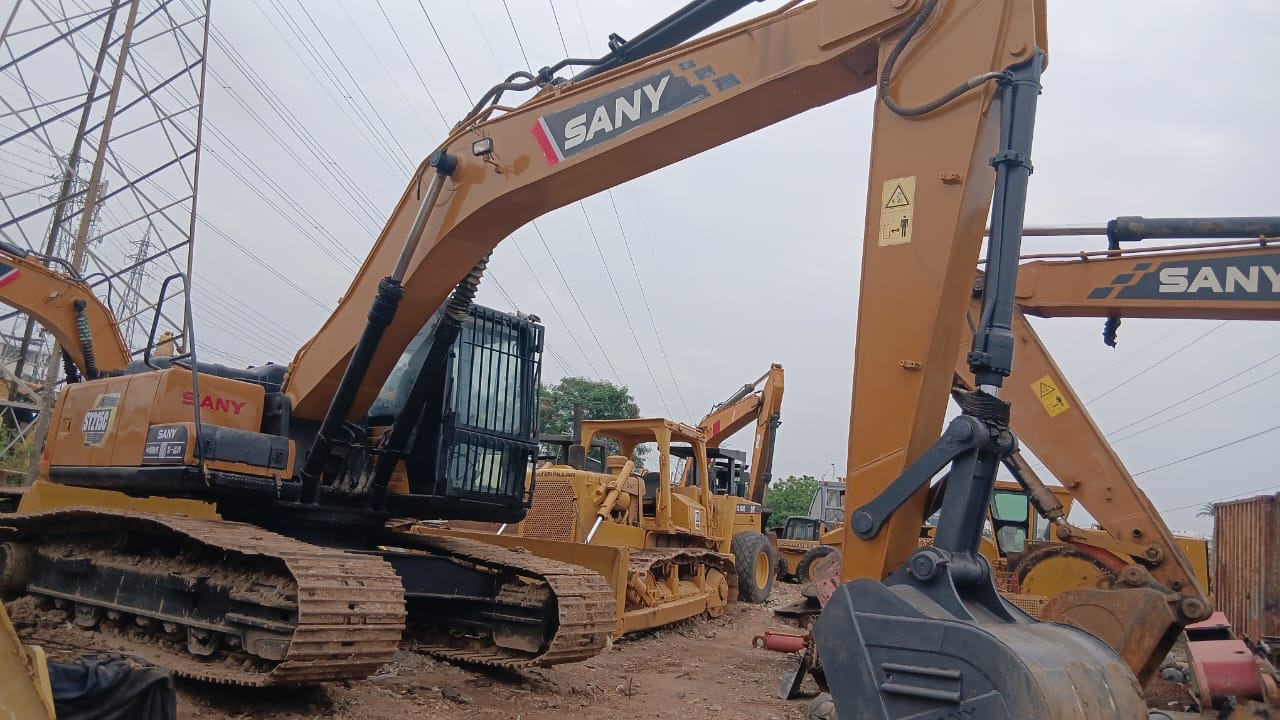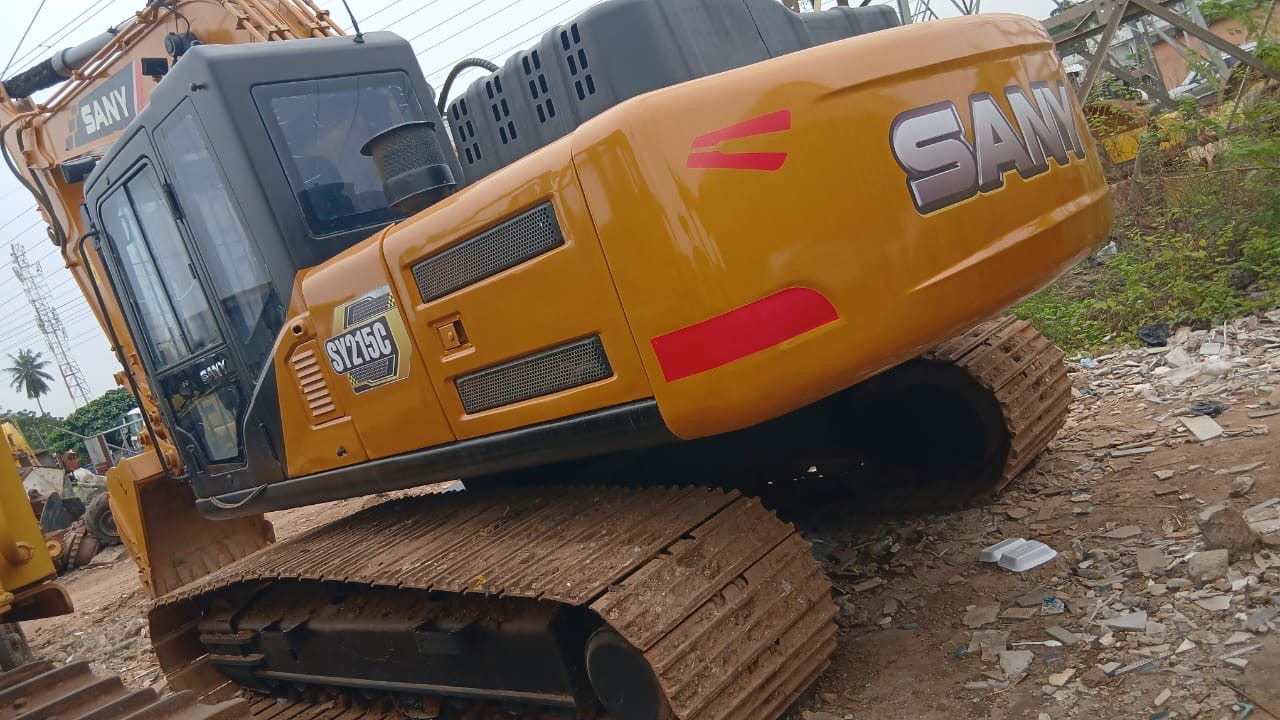

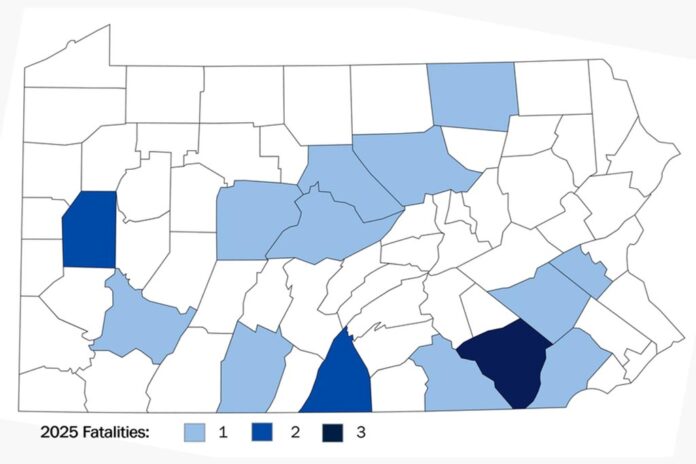
A painful and enduring reality in Pennsylvania agriculture is encapsulated in that headline. Even after decades of safety campaigns, heavy machinery (tractors, skid steers, combines) and off-road vehicles (ATVs, UTVs) continue to be the leading causes of death on farms. Here’s a closer look at the statistics, the causes, and potential solutions.
The figures that support the headline The death rate in the agriculture sector nationwide is around seven times greater than the average for the entire industry. The distribution frequently reflects government data in Pennsylvania, a top agricultural state with a varied topography and a large number of tiny, hilly farms:
Over 40% of all farm-related fatalities in the country are caused by tractors alone, with rollovers being the most deadly incident type.
On farms, ATVs and UTVs are becoming a more common cause of mortality. Rollovers, crashes, and crush injuries are caused by Pennsylvania’s rough terrain and the state’s regular use of these vehicles for both business and play.
Through entanglements, runovers, and caught-between incidents, other heavy machinery, such as skid steers, combines, balers, and PTO-driven machinery, results in fatalities.
“Tractors and off-road vehicles” and “machinery” consistently rank at the top of the list, year after year, according to an analysis of Pennsylvania farm fatality summaries conducted by Penn State Extension and the federal Bureau of Labor Statistics.
Why these continue to be the key reasons Lack of ROPS and tractor overturns On farms in Pennsylvania, a large number of tractors are older models that lack seatbelts and Roll-Over Protective Structures (ROPS). A small error can easily turn deadly on the state’s typical wooded routes, sloping terrain, and creek banks. An operator can be crushed by a tractor in a matter of seconds.
Terrain and usage of ATVs and UTVs Although ATVs are frequently utilized as utility vehicles, they can tumble on uneven terrain due to their high center of gravity. A work tool becomes a lethal threat when loads are added, additional people are carried, or helmets are neglected. Fatal events frequently involve children operating adult-sized ATVs.
Runovers and entanglements of heavy equipment Deaths are still being caused by unguarded PTO shafts, unblocked machinery, and circumvented safety interlocks. Runovers often occur when a spectator enters a blind spot surrounding a huge machine or when workers exit the cab without turning off the engine.
Age, exhaustion, and working alone The farms in Pennsylvania are frequently run by elderly, lone farmers. The likelihood of surviving an accident is significantly decreased by delayed discovery. Risk is also increased by working long hours during planting and harvest.
How to end the cycle While there isn’t a single solution that will stop these deaths, tried-and-true methods can significantly lower them:
Use seatbelts and retrofit tractors with ROPS. Some Pennsylvania farmers are covered by the National ROPS Rebate Program, which offers cost-sharing programs.
ATVs and UTVs are vehicles, not toys. It is not negotiable to wear a helmet, avoid steep slopes, have no more riders, and be the right size for the operator.
Before you walk down, shut it down. Never attempt to unclog or modify machinery while it is operating, and turn off engines before dismounting.
Protect all moving parts and PTO shafts. Never walk over a revolving shaft, and replace any missing shields right away.
When working alone, create a safety strategy. Keep a radio or cellphone with you, let someone know where you are and when you plan to check in, and think about personal emergency response gear.
Every employee and member of the family should receive training. On certain farms, literacy and language problems necessitate practical, visual instruction, which is frequently provided by Penn State Extension or regional ag-safety experts.
“Off-road vehicles and heavy equipment remain the leading cause of death in Pa. farm incidents” is a call to action, not only a headline. The trend can ultimately be reversed by engineering controls, safer procedures, and a culture that rejects the idea that “it won’t happen to me.” If you’re searching for certain data sets or Penn State resources related to injury prevention.