
The global heavy equipment industry is experiencing a period of robust growth and transformation, driven by a confluence of global infrastructure spending, technological advancements, and a strategic revaluation of physical assets. After a 2025 market size of roughly 215–223 billion, the market is on track to grow at a compound annual growth rate (CAGR) of 6.5–7.0%, potentially reaching 295–358 billion by the early 2030s.
This report presents an in-depth analysis of key market drivers, the financial performance of industry leaders (Caterpillar and Komatsu), transformative trends (electrification, automation, and the “HALO” effect), regional dynamics, and the critical risks and opportunities shaping the 2026 investment landscape.
1. Market Overview
The heavy equipment sector, a cornerstone of global infrastructure, is currently in a strong growth phase. The market is being driven by several key factors:
- Infrastructure Investment: Governments worldwide, particularly in the Asia-Pacific, North America, and Europe, are allocating substantial budgets for roads, bridges, and public transport. The value of US construction alone was 2.14trillioninMay2024,upfrom2.01 trillion the year prior.
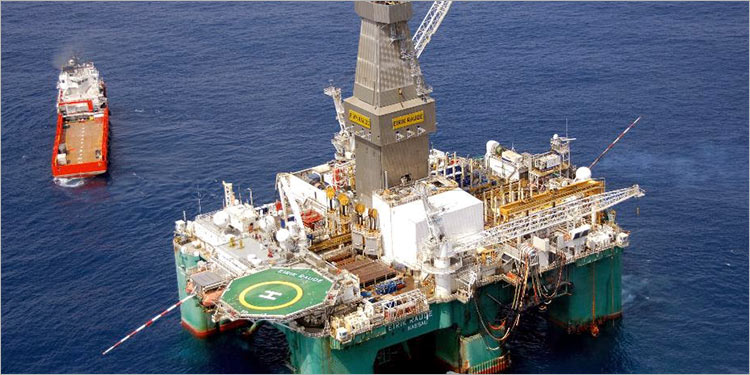
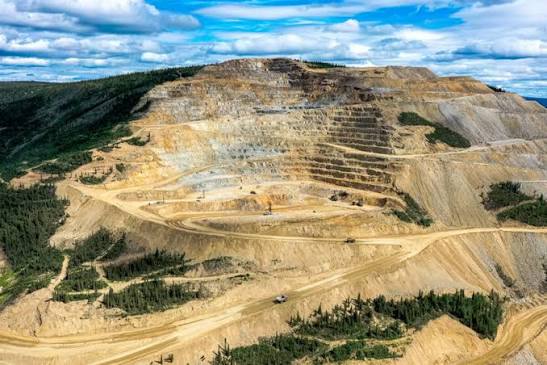
- Mining & Energy: Expansion in mining and energy projects is a major driver, with global mining capital expenditure projected to grow about 50% by 2030.
- Urbanization: Ongoing urban development and smart city initiatives in developing economies fuel demand for high-capacity machinery.
Market Size Projections:
| Source | Market Value (Base Year) | 2026 Projection | Long-Term Projection | CAGR |
|---|---|---|---|---|
| Research and Markets | $215.46B (2025) | $229.82B | $295.73B (2030) | 6.5% |
| 360iResearch | $222.50B (2025) | $237.14B | $357.57B (2032) | 7.01% |
| MarketsandMarkets | $224.49B (2025) | N/A | $286.51B (2030) | 5.0% |
| ResearchAndMarkets.com | $218.30B (2024) | N/A | $314.40B (2030) | 6.3% |
2. Key Players & Financial Performance
While many global and regional players (Volvo, CNH Industrial, Hitachi, Sany, XCMG) compete in this space, the financial health of the two largest, Caterpillar and Komatsu, provides a critical barometer for the industry.
a) Caterpillar Inc. (CAT)
Caterpillar delivered a stellar performance in Q1 2026, significantly exceeding market expectations. The heavy equipment manufacturer’s shares surged 6% in pre-market trading following the announcement.
- Revenue: 17.4billion,up2216.49 billion.
- Net Income: 2.55billion,upfrom2.00 billion a year ago.
- Adjusted EPS: 5.54,a304.63).
- Segment Strength: Construction Industries was the standout, with sales surging 38% to $7.2 billion, driven by higher sales volume and favorable dealer inventory changes. Resource Industries faced margin pressure due to tariffs.


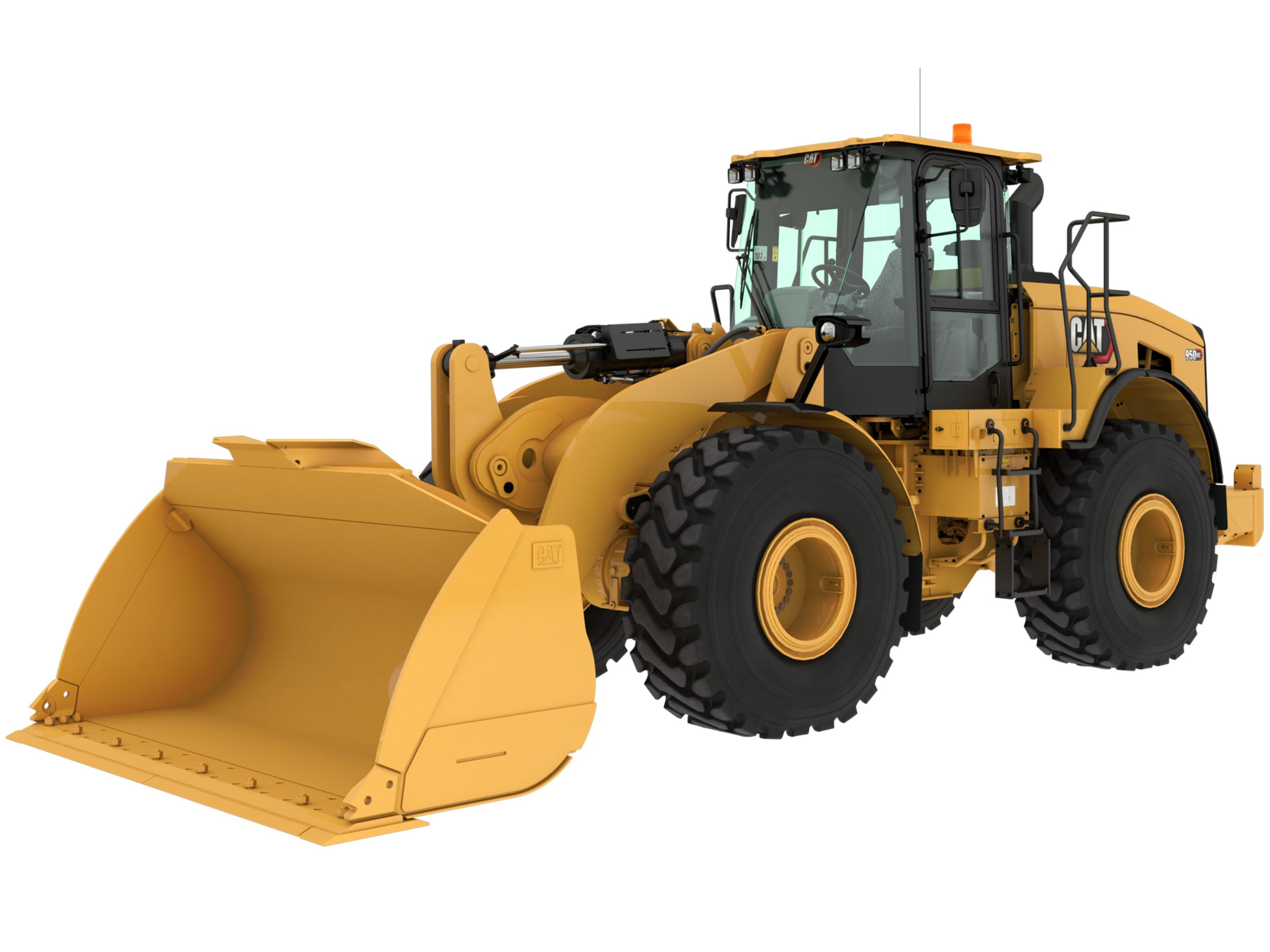
Caterpillar expects low double-digit revenue growth for 2026, though tariffs are projected to create a full-year headwind of approximately 2.2–2.4 billion.
b) Komatsu Ltd. (6301)
Komatsu’s results for the fiscal year ended March 31, 2026, show resilience but also reveal significant cost pressures.
- Revenue: ¥4,132.8 billion, a modest 0.7% YoY increase. The construction, mining, and utility equipment business saw sales volume decrease, but this was offset by improved selling prices.
- Operating Income: ¥567.3 billion, a significant decrease of 13.7% YoY, primarily due to increased costs and lower sales volume.
- Net Income: ¥376.4 billion, a 14.4% decrease from the previous year.
- Outlook: Komatsu projects a further decrease in both sales and profits for the coming year, citing rising costs (including US tariffs), lower mining equipment demand, and the situation in the Middle East.
c) Peer Comparison
Compared to its peers, Caterpillar’s rapid growth in the Construction Industries segment starkly contrasts with Komatsu’s margin pressures. Deere, another major player, has also faced earnings pressure due to higher production costs and tariffs, though it anticipates pre-tax direct tariff expenses of $1.2 billion for 2026.
3. Major Industry Trends Transforming Investment Logic
Beyond the headline numbers, several deep-seated trends are reshaping the industry’s long-term value proposition.
a) The “HALO Effect”: Revaluing Heavy Assets
In a landmark report, Goldman Sachs identified a paradigm shift in market valuation. The “HALO” (Heavy Assets, Low Obsolescence) thesis argues that in an era of high inflation and AI-driven infrastructure demand, companies with large-scale, difficult-to-replicate physical assets are commanding a premium. Since 2025, a portfolio of heavy-asset companies has outperformed its asset-light counterpart by roughly 35%.
b) Electrification & Sustainability
The drive for lower emissions and stricter regulations is accelerating the shift to electric machinery. In China alone, the electrification penetration rate for loaders reached 40% in 2025. Hitachi has unveiled a zero-emission lineup with battery-electric and hydrogen-powered excavators at Bauma 2025.
c) Automation & Smart Machinery
Integration of AI, GPS, telematics, and IoT is creating autonomous and semi-autonomous machinery. This technology enhances safety, addresses labor shortages, and enables predictive maintenance, optimizing fleet utilization. Caterpillar plans to triple its number of autonomous trucks in its Resource Industries segment by 2030.
d) Rise of “Equipment-as-a-Service”
Contractors are increasingly preferring rental models over ownership to reduce capital expenditure and increase financial flexibility. The US rental industry is projected to grow to $83.5 billion in 2026.
4. Regional Market Analysis
5. Risks & Challenges
Investors must weigh the strong growth narrative against a backdrop of significant risks.
- Tariffs and Trade Policy: US tariffs on imported steel and equipment are a primary concern. They are raising input costs, creating uncertainty, and forcing companies to delay investments. Deere expects $1.2 billion in pre-tax tariff expenses for 2026.
- Supply Chain Disruptions: Ongoing geopolitical conflicts have disrupted global supply chains for critical materials like steel, leading to price increases and extended delivery times for specialized equipment.
- Rising Interest Rates & Inflation: High interest rates increase financing costs for both manufacturers and end-users, potentially dampening demand for large capital purchases.
- Geopolitical Instability: Conflicts and tensions can disrupt operations in key regions. Komatsu cited the situation in the Middle East as negatively impacting its sales by 90.1 billion yen.
- Technological Obsolescence: While electrification and automation are opportunities, they also pose a risk to legacy manufacturers who are slow to adapt. There is also a shortage of skilled operators to handle this new technology.
6. Investment Outlook
The heavy equipment industry stands at a critical juncture. Traditional cyclical drivers remain strong, but they are now amplified by deep structural shifts.
- Investment Themes:
- Direct Leaders: Caterpillar’s strong order backlog and execution make it a benchmark for industry health, though at a premium valuation (P/E of 42.07x).
- Electrification & Autonomy: Companies leading in zero-emission and autonomous technologies are poised for long-term growth.
- AI & Energy Infrastructure: The demand for data centers is a powerful new growth engine for power generation and energy equipment.
- Emerging Market Exposure: Companies with strong sales channels in Africa, Latin America, and Southeast Asia will benefit from their infrastructure booms.
- Valuation Context: The sector is trading on a higher-growth, higher-multiple thesis. The key catalyst for further upside will be the ability of companies to successfully navigate tariff headwinds and supply chain issues to meet aggressive earnings targets. Caterpillar’s target for adjusted operating margins between 18-22% on revenues of $72 billion and its raised long-term revenue CAGR target of 6-9% through 2030 will be key metrics to monitor.
7. Conclusion
The heavy equipment industry is not just a cyclical play on global construction; it is a beneficiary of the multi-year, capital-intensive build-out of the digital economy and the global energy transition. The 2026 investors’ report indicates a market in a powerful upswing, with leaders like Caterpillar demonstrating exceptional operational leverage. However, risks from tariffs and supply chains are significant and require active monitoring. The long-term investment case rests on the premise that physical, “low-obsolescence” assets will become increasingly scarce and valuable, positioning the heavy equipment sector as a core holding in an inflationary, infrastructure-driven global economy.