
This guide provides a data-driven overview of the Africa construction equipment market, highlighting key opportunities, strategic entry models, and critical risk factors for investors.
📈 Market Overview and Growth Outlook
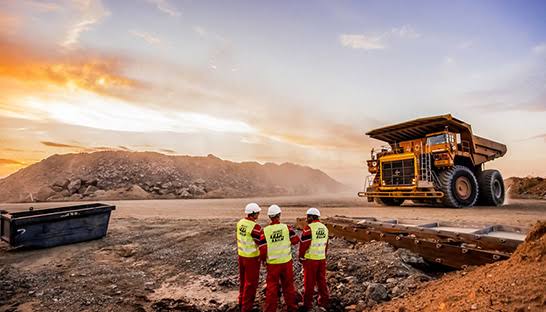
The African construction equipment market is in a robust growth phase, driven by massive infrastructure backlogs, urbanization, and resource extraction. While the Middle East (GCC) region often leads in headline-grabbing mega-projects, Sub-Saharan Africa presents a strong, steady growth story backed by development finance and demographic trends.
The table below summarizes the key market forecasts for the region.
| Market | Key Statistic | Growth Rate (CAGR) | Projection Period |
|---|---|---|---|
| Middle East & Africa | $4.64 billion in 2026 | 7.74% | 2026-2031 |
| Africa (Heavy Equipment) | $4.30 billion in 2024 | 4.90% | 2025-2031 |
This growth is primarily fueled by a multi-trillion-dollar infrastructure pipeline across the Gulf Cooperation Council (GCC) states, led by Saudi Arabia’s $500 billion NEOM project, alongside rapid urbanization and housing programs across the African continent .
🌍 Regional Hotspots and Project Drivers
Investment opportunities are not uniform across the continent. Success requires focusing on countries with active, funded projects.
- Saudi Arabia & the GCC: This is the epicenter of high-growth demand. The Kingdom’s Vision 2030 plan has earmarked over USD 1 trillion for infrastructure. This drives demand for everything from tower cranes at NEOM to automated equipment and telescopic handlers in new industrial zones .
- Egypt: The nation is a major market driven by its Vision 2030 plan. The construction of the New Administrative Capital (NAC) , a city being built from scratch, requires massive earthmoving, road construction, and material handling machinery .
- South Africa: As the most industrialized economy in Africa, South Africa’s market is supported by the National Development Plan (NDP) , which focuses on transport, energy, and smart city projects like Waterfall City in Johannesburg. A key emerging driver is the government’s mandate for eco-friendly equipment in public projects .
- Nigeria: Driven by population growth and economic diversification, Nigeria is investing heavily in rail expansion (e.g., Lagos-Ibadan Railway) and road networks to address its infrastructure deficit. This creates sustained demand for heavy equipment .
- Emerging Mega-Projects:
- Inga 3 Dam (DRC): A massive hydroelectric project costing over $10 billion. After years of delay, talks between the DRC and South Africa resumed in early 2026, signaling a potential start for one of Africa’s largest infrastructure projects, which will require immense earthmoving and heavy lifting capacity .
- Djibouti Water Project: A $35 million World Bank-backed initiative to build and rehabilitate rural water systems. While smaller in scale, it illustrates the constant demand for equipment in essential public works across the continent .
🏗️ Equipment and Business Model Analysis
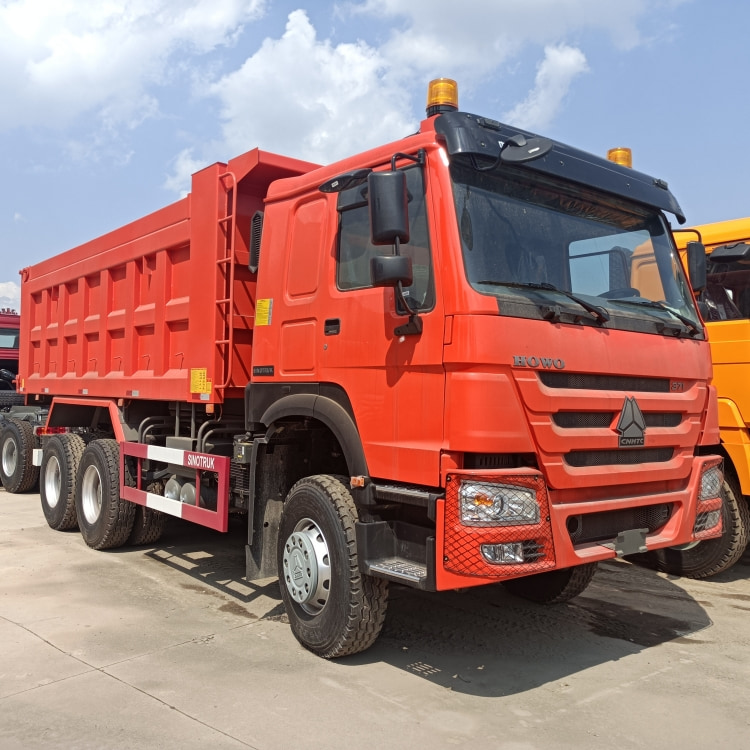
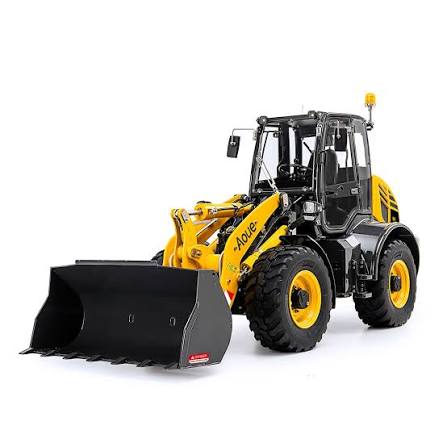
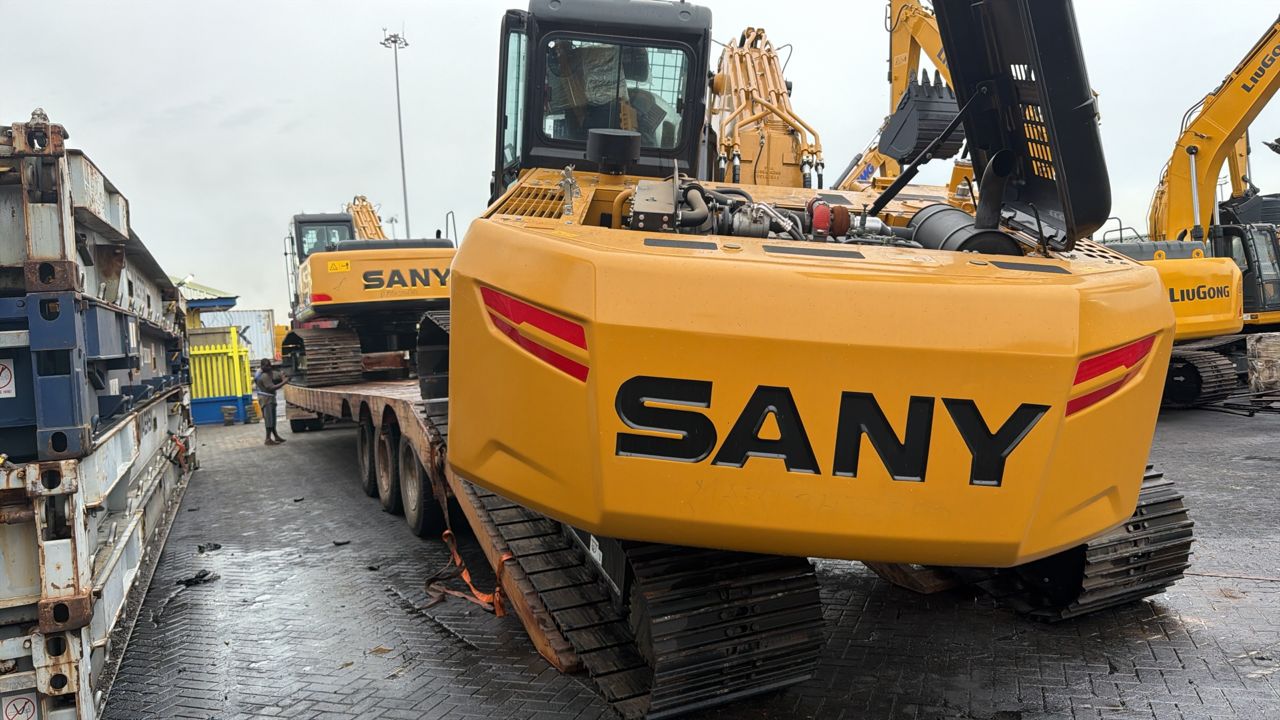
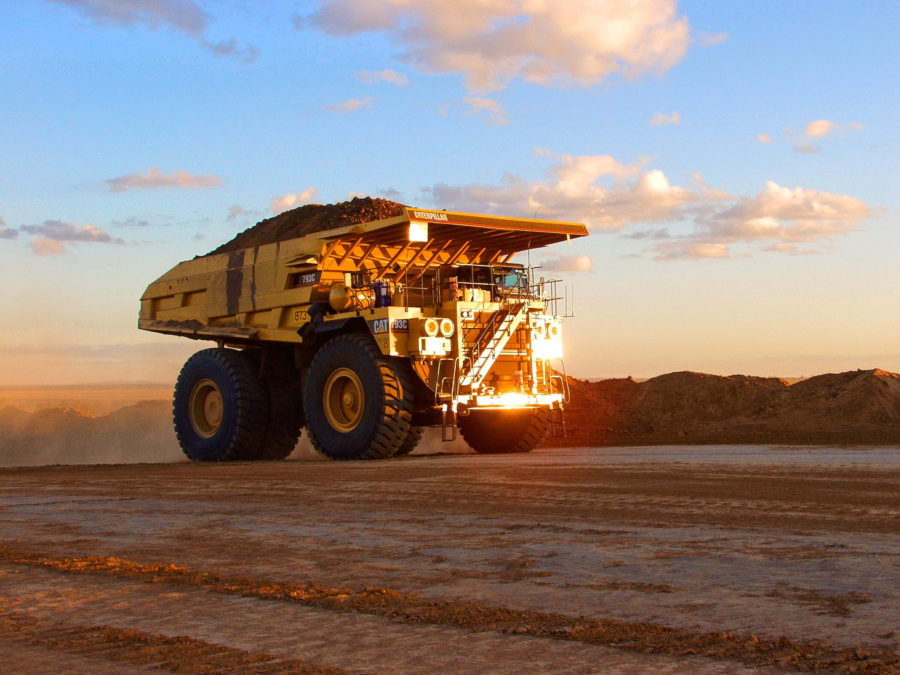
Understanding what to invest in and how to enter the market is crucial for capital efficiency.
By Equipment Type:
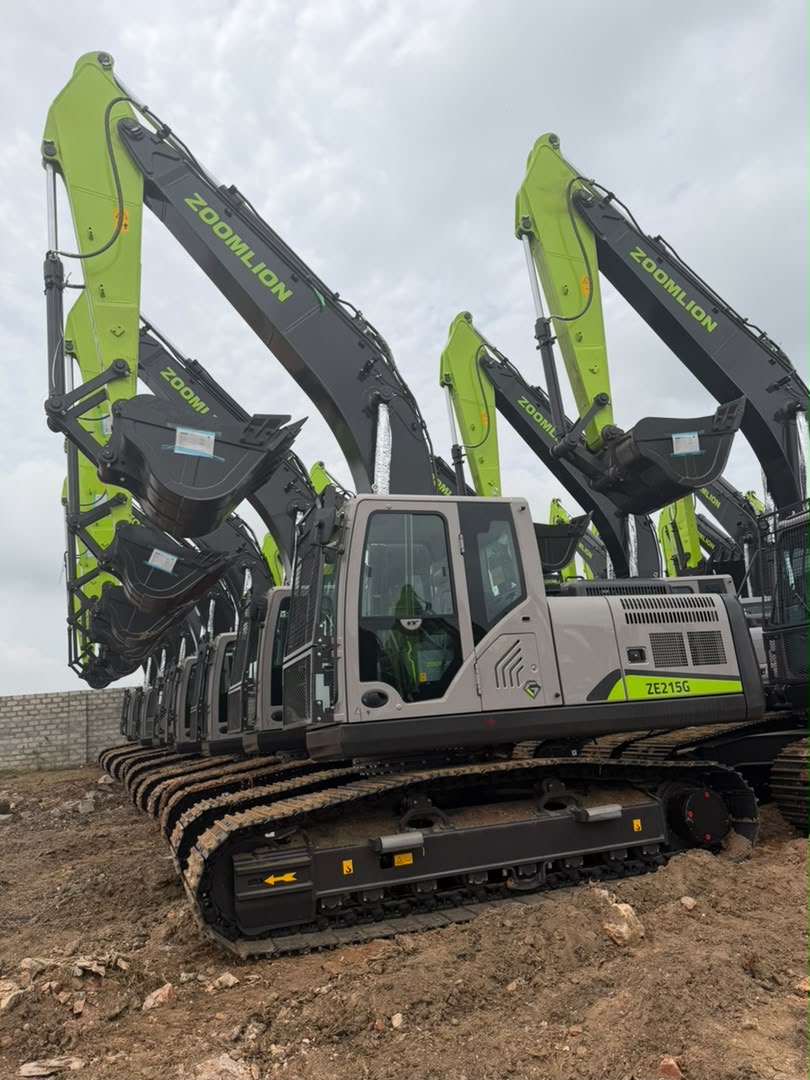
- Excavators are the undisputed king, accounting for 35.75% of the market in 2025. Their versatility makes them essential for mining, mega-projects, and urban development. They are expected to maintain the highest growth rate (7.79% CAGR) through 2031 .
- Other high-demand categories include wheel loaders for aggregate handling, cranes for high-rise construction, and backhoe loaders for urban utility trenching .
By Drive Type:
- Diesel/ICE models still dominate, representing 72.63% of the market, due to their reliability in harsh, remote conditions with limited charging infrastructure .
- Electric & Hybrid equipment is the fastest-growing segment (7.75% CAGR), driven by decarbonization policies in the GCC. While infrastructure is a barrier, rental companies are beginning to bundle mobile chargers with equipment to accelerate adoption .
By Business Model:
The region is experiencing a significant shift from ownership to rental models. Since 2020, equipment purchase prices have surged by 20%, making rental a cash-flow-friendly alternative. Major rental companies like United Rentals and Herc Rentals are expanding their bundled service offerings (including telematics and operator training), making this a high-potential entry point for investors .
💡 Strategic Entry Guide and Tariffs
Navigating import duties and choosing the right market entry strategy can make or break an investment.
Market Entry Models:
- Direct Sales: Best suited for large, established players who can manage complex supply chains.
- Rental/Leasing: A high-growth, lower-capital-intensive model ideal for new entrants. It allows you to offer “equipment-as-a-service,” which is increasingly preferred by contractors .
- Local Assembly/Joint Ventures (JVs): Many African nations have local-content rules. Partnering with a local firm to set up an assembly line can significantly reduce import tariffs (as shown in the table below) and is often required to win government contracts .
Tariff and Tax Considerations:
The average most-favored-nation tariff in Africa is 10.3%, higher than the global average of 6.9%. However, strategic use of trade agreements can reduce costs.
🏢 Major Players and Competition
The market is a mix of global giants and strong regional specialists. Understanding the competitive landscape is key to positioning your investment.
- Global Leaders: The market is dominated by well-established international firms with extensive dealer networks and service capabilities. Key players include:
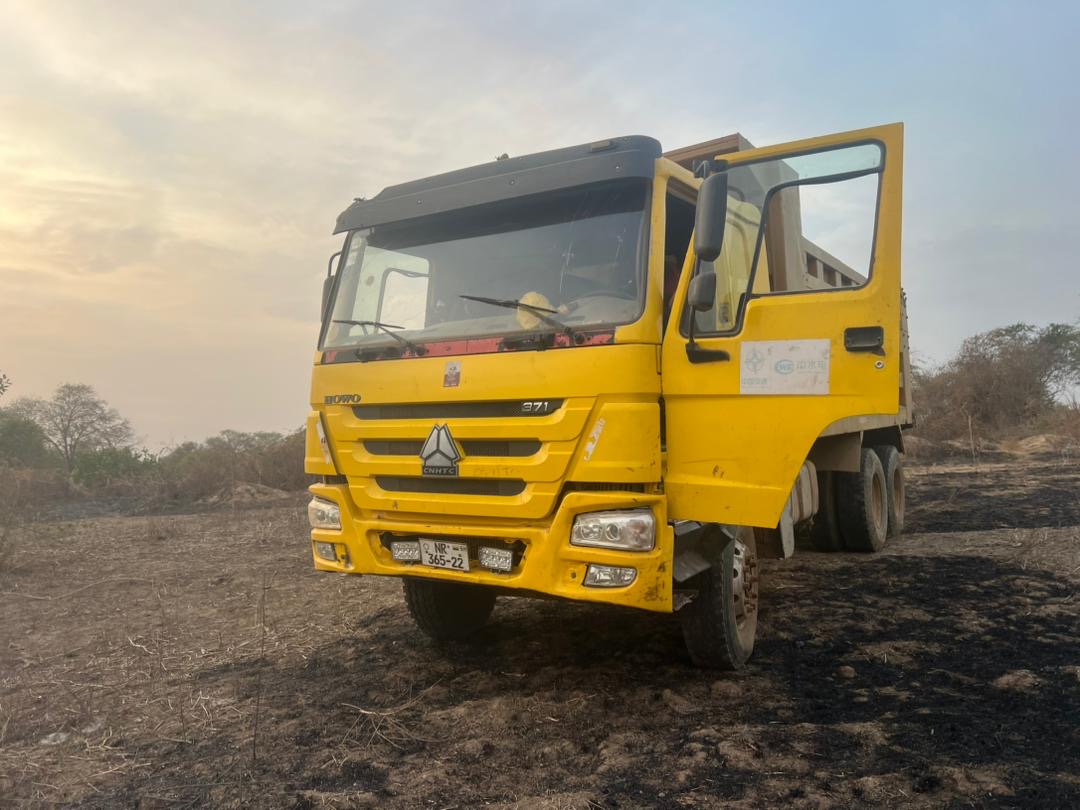
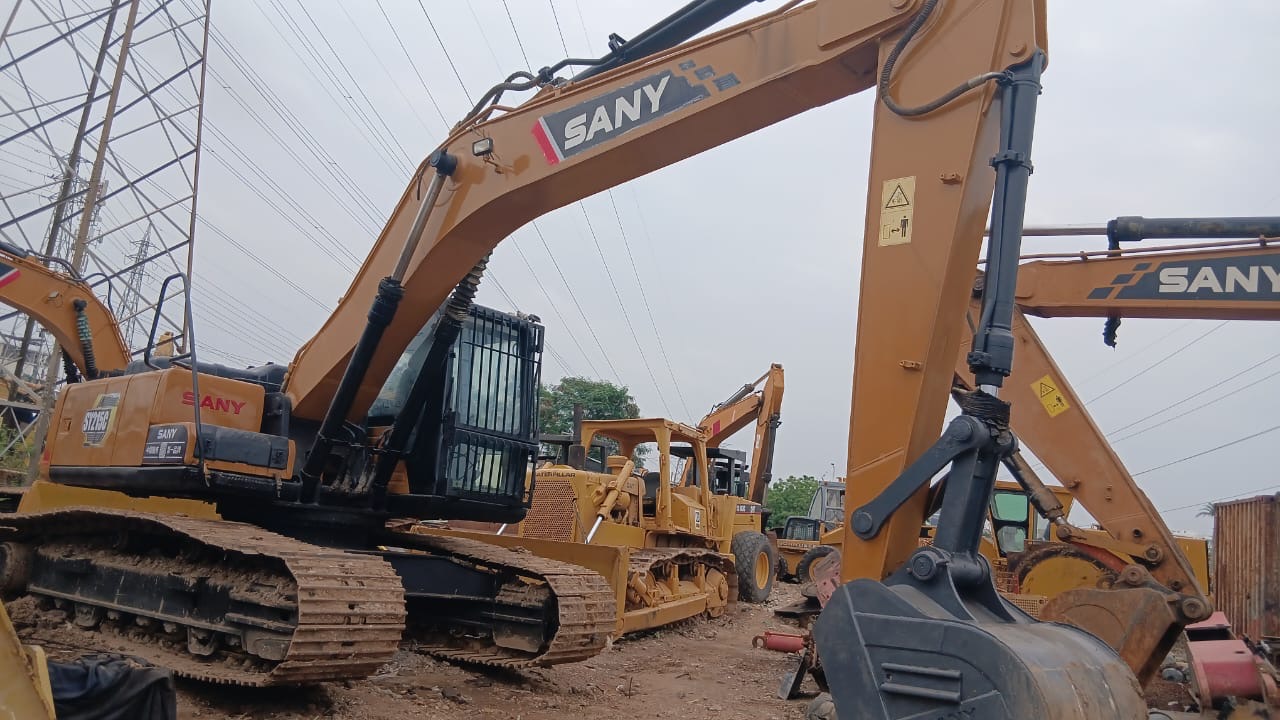
- Chinese Manufacturers: Companies like SANY Heavy Industry and XCMG are rapidly increasing their market share by offering competitive pricing and expanding their service networks across the continent .
- Regional Specialists:
⚠️ Key Risks and Challenges
Investors must have a clear risk mitigation strategy. Key challenges include:
- Political and Security Instability: Project execution can be severely hampered in hotspots like parts of the Sahel or regions with civil unrest .
- Oil Price Volatility: In oil-dependent economies like Nigeria, sharp swings in crude prices can lead to currency fluctuations and sudden freezes on capital expenditure (CAPEX) for private contractors .
- Supply Chain and Infrastructure Issues: Port congestion can delay the delivery of critical spare parts, leading to significant equipment downtime and revenue loss .
- Skilled Labor Shortage: There is a continent-wide shortage of technicians capable of maintaining and repairing next-generation electric and technologically advanced machines .
✅ Final Recommendations for Investors
To succeed in the African construction equipment market, consider the following strategic steps:
- Focus on Key Markets: Prioritize countries with diversified economies and strong sovereign-backed pipelines like Saudi Arabia, Egypt, and South Africa to mitigate risk.
- Prioritize the Rental Model: Entering via the rental market offers a lower-risk path to capture cash flow and build a customer base without the immediate need for massive capital outlay on sales infrastructure.
- Plan for Aftersales: In this market, the sale is only the beginning. A reliable supply of spare parts and a network of trained technicians is your biggest competitive advantage and customer retention tool.
- Leverage Local Partnerships: Whether for navigating tariffs, winning government tenders, or setting up assembly lines, a knowledgeable local partner is essential for long-term success.