
Based on current business trends, economic factors, and the distinctive UAE environment as of mid-2026, this is a thorough market analysis of the heavy equipment leasing and rental market in Dubai.
- Executive Synopsis The high-growth, cyclical heavy equipment leasing and rental industry in Dubai is inextricably related to the country’s ambitious infrastructure pipeline, real estate boom, and industrial expansion. Driven by the need for cost effectiveness, operational agility, and access to cutting-edge technology, the market has decisively shifted from a pure ownership model toward flexible renting and leasing alternatives. Consolidation is speeding up despite the market’s fragmentation, which includes a mix of major global giants, regional champions, and small, locally held companies. With a post-Expo legacy boom, green construction regulations, and an increasing inclination toward long-term dry lease over outright purchase, the picture for 2026–2028 is still very promising.
- Market Size and Prospects Estimated industry Value (2026): Dubai accounts for roughly 50–60% of the estimated USD 1.3–1.5 billion UAE heavy equipment leasing industry, or USD 700–900 million.
Growth Rate (CAGR): Since 2023, the market has grown at a compound annual growth rate (CAGR) of 6-8%, up from an average of 4-5% prior to 2020. Through 2029, a similar course is anticipated.
Fleet Utilization Rates: The winter construction season (October–April) is when the average utilization rates for major players peak, ranging from 75% to 88%. Rates above 85% are regularly attained by Tier-1 businesses using contemporary fleets.
Important growth metrics:
As of Q2 2026, there were more over 5,500 ongoing construction projects in Dubai, totaling more than AED 700 billion.
Land for mega-developments and logistics zones is still being released under the Dubai 2040 Urban Master Plan.
Sustained government capital spending is supported by stable oil prices between USD 80 and USD 90 per barrel.
- Drivers of the Market Infrastructure Investment and Megaprojects
The single biggest factor driving demand for cranes, concrete pumps, and earthmoving equipment is the expansion of Al Maktoum International Airport (DWC), a phased AED 128 billion project.
Etihad Rail’s freight network development and the AED 18 billion Dubai Metro Blue Line.
ongoing beachfront and villa construction at Nakheel’s Palm Jebel Ali, Emaar’s The Oasis, Damac Lagoons, and Dubai South.
Transition from Ownership to Rental (OPEX vs. CAPEX)
An asset-light approach is becoming more and more popular among industrial and construction companies. Leasing shifts residual value risk to the lessor, maintains credit lines, and transforms capital expenditure (CAPEX) into operating expenditure (OPEX).
Large earthmoving equipment dry lease contracts typically last between 12 and 24 months, however they can now last up to 60 months.
Sectors Other Than Construction
Industrial & Logistics: The demand for diesel and electric forklifts, reach stackers, and material handling equipment is driven by the growth of warehouses (JAFZA, Dubai Industrial City, DIP).
activities & Entertainment: Power generators, mobile lighting towers, and climate control units are needed because the post-Expo activities calendar is still full (COP30 legacy events, GITEX, Gulfood).
Marine & Ports: Specialized heavy lift equipment, frequently on long-term wet leases with operators, is needed for DP World’s continuous terminal automation and growth at Jebel Ali Port.
Green Mandates and Sustainability
Contractors are required to rent telehandlers, aerial work platforms (AWPs), and hybrid or electric excavators due to the UAE’s Net Zero 2050 policy and Dubai Municipality’s green building requirements. High rental prices are being demanded by early adopters of electric fleets.
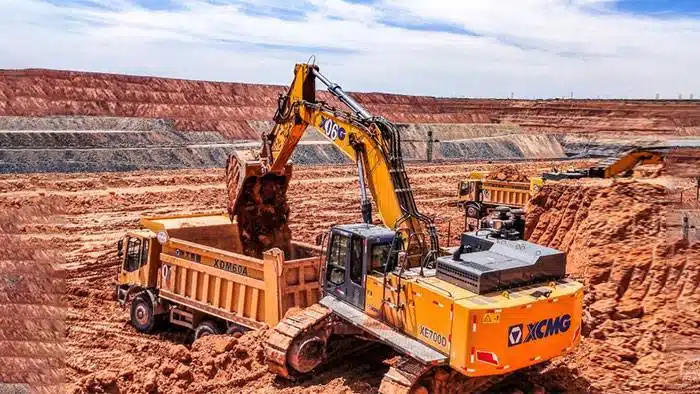
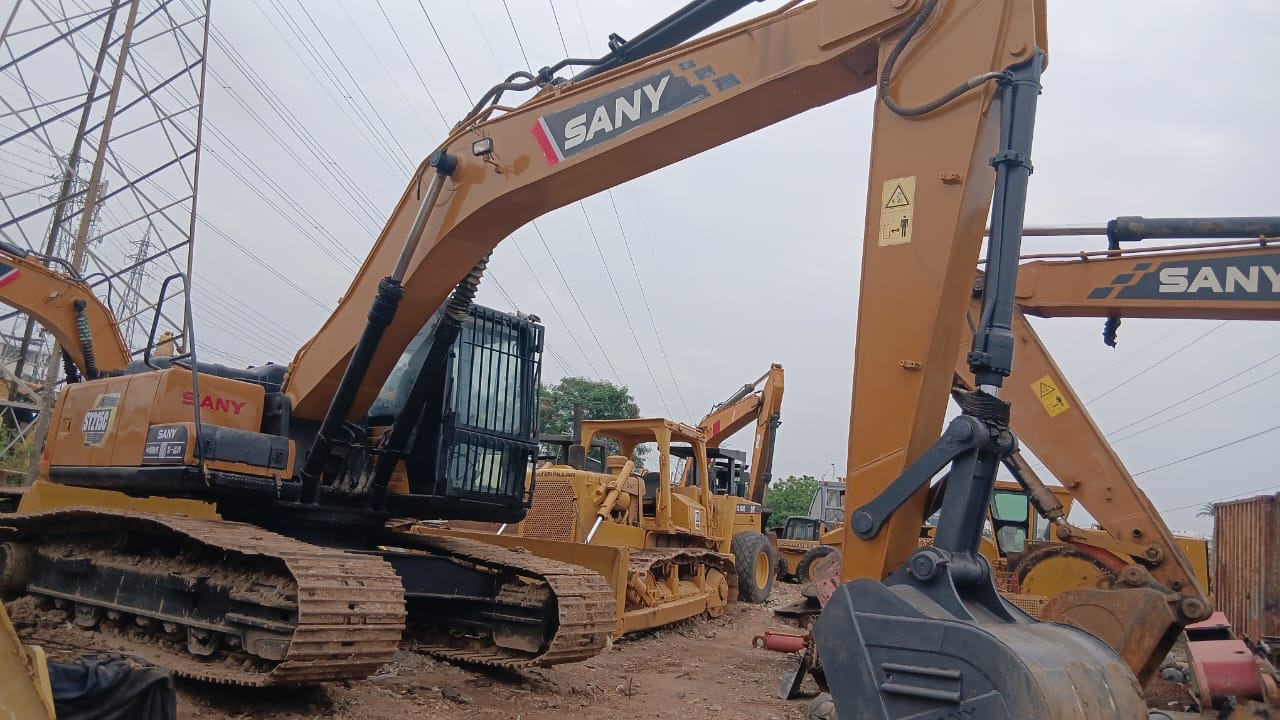
- Analysis of Equipment Segments Type of Equipment Market Share Demand TrendImportant Features Earthmoving (backhoes, bulldozers, wheel loaders, and excavators) 35–40% Extremely high, persistent shortage of large 30-50T excavatorsdominated by Volvo, Komatsu, and Caterpillar. Long-term dry leases are favored. Material handling (Forklifts, Reach Stackers, Cranes) 25–30% High, transitioning to electric Mobile cranes (50T–100T) are in high demand. Wet lease premiums are driven by a lack of licensed operators. Platforms for Aerial Work (Boom Lifts, Scissor Lifts)15% is a highly commoditized, price-sensitive area with a strong regulatory push for safe access. International experts own sizable fleets (Riwal, Haulotte, Al Faris). 10% Stable, event-driven peaks in power and HVAC (generators, chillers) Seasonal spikes (summer cooling, outdoor events). The market for hybrid solar-diesel generators is expanding. Concrete & Road Building (Pumps, Mixers, Pavers, Rollers) 10% High, in line with housing and airport megaprojects; highly specialized; frequently leased in packages with qualified operators.
- The Competitive Environment The market is rapidly becoming more professionalized and has three tiers.
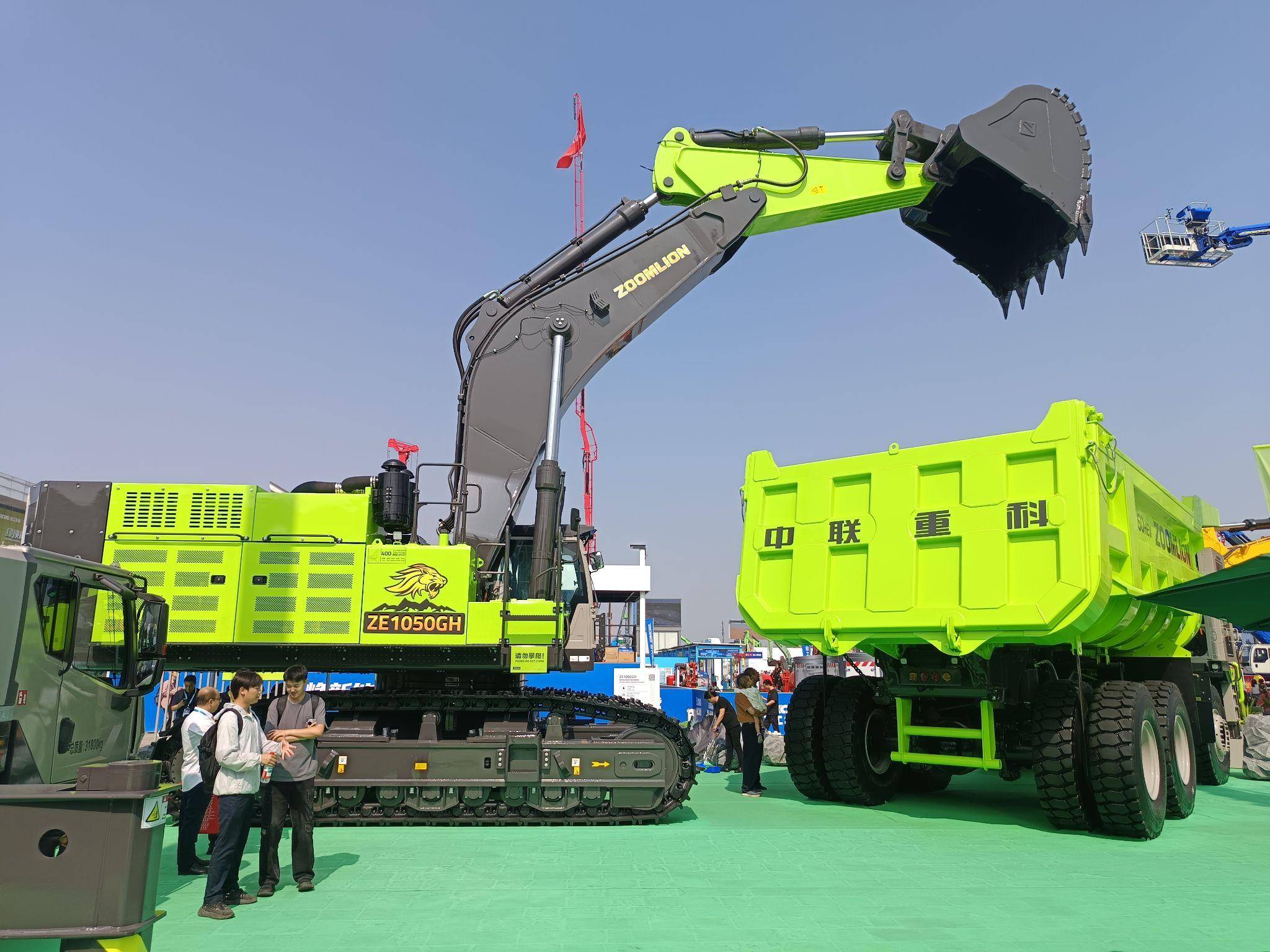


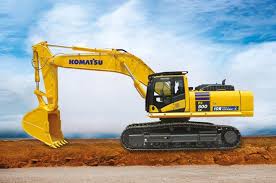
Tier 1: Global and Regional Majors (multi-country, full-service)
Examples include Arabian Auto Agency (AAA), a distributor of Komatsu, Byrne Equipment Rental, Speedy Hire (via a local joint venture), Mohamed Abdulrahman Al-Bahar (Caterpillar dealer, offers Cat Rental Store), and Al Faris Group (UAE industry leader in cranes, AWPs, and heavy haulage).
Strategy: Focus on blue-chip contractors, offer complete site solutions (equipment + labor + maintenance), and have large, youthful fleets with telematics.
Tier 2: Mid-Tier & Specialty Local Rentals
Al-Iman Equipment Rental, Quality Equipment Rental, Al Shola Rental, and United Gulf Equipment Rentals are a few examples.
Strategy: Focus on a certain geographic area or a niche (e.g., only generators, only forklifts). Compete on the basis of cost, service adaptability, and enduring connections.
Tier 3: Disjointed Small Fleets (5–50 units)
hundreds of small business owners who frequently operate in the industrial districts of Ras Al Khor and Al Quoz. Due to increased safety and pollution standards implemented by RTA and Dubai Municipality, their outdated, poorly maintained fleets are losing ground.
Important Competitive Elements:
Fleet age and brand repute (Genie, JCB, and Caterpillar demand a 15–20% pricing premium).
IoT integration and telematics (remote monitoring, fuel theft prevention).
Trained, visa-sponsored operators are available for wet leasing.
Delivery speed and breakdown reaction time (large accounts now often have guaranteed 4-hour response SLAs).
- Market Structure: Bare, Wet, and Dry Rentals Type of Rental: % of MarketDescription of the Margin Profile Moderate (15–20% EBITDA) Dry Rental 55%Just equipment. The customer is in charge of daily maintenance, fuel, and operation. standard for large-scale earthmoving. Wet Rental 30% High (25–35% EBITDA) Fuel/maintenance + certified operator + equipment. prominent in specialist foundation equipment, concrete pumps, and cranes. One major danger is the shortage of operator supplies. Bare Rental 15% Low (10-15% EBITDA) Bare chassis for specific body attachment, such as trailer frames or bus chassis. low level of service.
- Considerations for Market Access and Regulation Safety and Emissions Regulations: In new registrations, Dubai Municipality has started to phase out diesel engines that don’t meet Stage IV/Tier 4 final pollution criteria. Access to sensitive locations (such as Expo City) is restricted for equipment that is more than ten years old. Rental firms are gaining access to funding for new fleets as a result of this driving a big renewal cycle.
Registration Requirement: The Dubai Roads and Transport Authority (RTA) or independent certifiers such as TÜV must register and inspect all mobile cranes and heavy machinery every year.
Visa and Labor: The growing expense and difficulty of sponsoring qualified operators (mostly from India, Pakistan, and the Philippines) is putting pressure on the wet leasing business. Administrative expenses are increased by the implementation of unemployment insurance and amended labor legislation.
- Difficulties and Dangers Payment Cycles: Large contractors frequently offer extended payment terms of 90–120 days, which puts a heavy burden on rental companies’ working capital.
Asset Residual Value Volatility: Second-hand equipment values, which are essential for fleet renewal profitability, may drop if the real estate market cools.
Over-reliance on megaprojects: Concentration risk with a few number of master developers (Damac, Emaar, Nakheel, and Dubai South). The supply chain may be affected by a Tier-1 contractor’s payment delays.
Supply Chain for Spares: Despite improvements, lead times for essential OEM parts, particularly for European manufacturers, can still reach 4–8 weeks, endangering service level agreements.
- Prospects (2026–2028) Green Fleet-as-a-Service: First-mover advantage in providing contractors bidding on green-certified projects (LEED Platinum, Al Sa’fat) with completely electric or hybrid fleets (E-Excavators, Electric Telehandlers). Collaborations with regional suppliers of EV charging infrastructure, such as DEWA’s Green Charger, are essential.
Digital Platform and Brokerage Models: Aggregation systems that provide rapid bids, digital contracts, and performance-based pricing to connect SME clients with the dispersed Tier-3 fleets. The “Uber for heavy equipment” market in Dubai is presently dominated by no big company.
Attached Operator Academies: To guarantee a consistent, devoted supply of wet-lease personnel and charge a premium for training, internal operator training schools should be established (in collaboration with Indian or Philippine TVET organizations).
Logistics Hub Support: Providing autonomous guided vehicle (AGV) rentals for Dubai South’s quickly automated logistics warehousing industry.
- Strategic Advice for Newcomers Instead of competing solely on price, focus on asset uptime and data (telematics reports for clients’ ESG criteria).
Concentrate on Wet Lease Niches: Enter high-margin markets where the operator, not the machine, is the barrier, such as operated mobile cranes and specialized piling rigs.
Safe RTA-Approved Repair Facilities: RTA-certified in-house workshops reduce inspection downtime and are a significant competitive advantage.
Work together with OEMs: For equipment-as-a-service models, look for franchise or white-label arrangements where you oversee the last-mile relationship and the OEM handles fleet support.