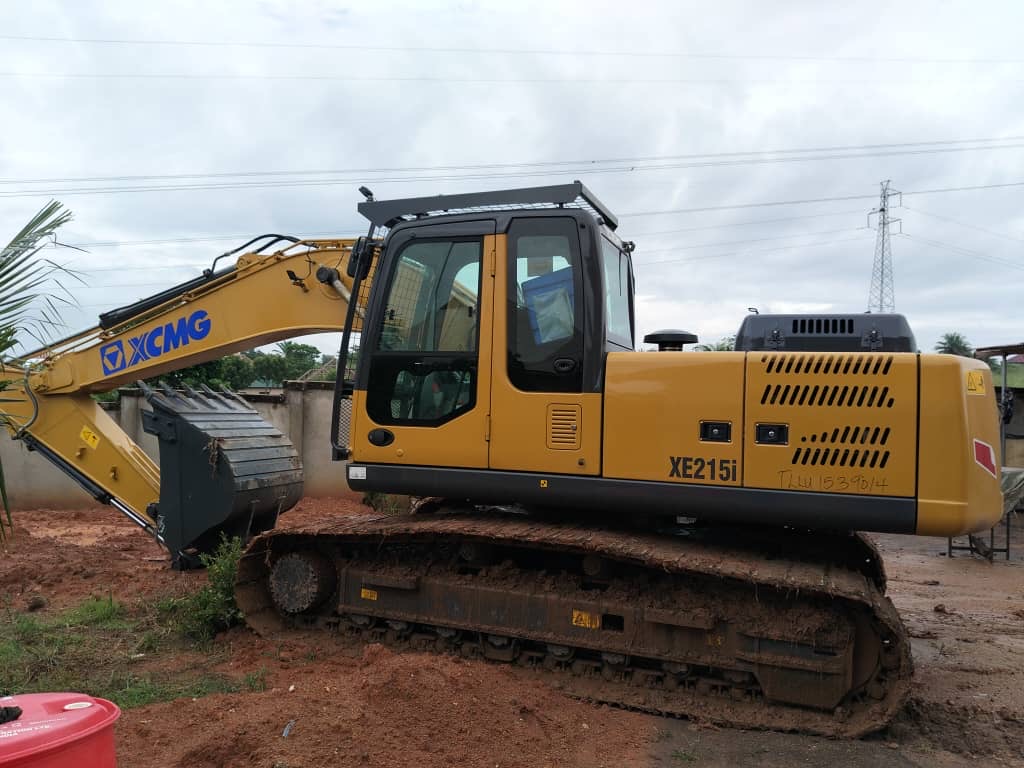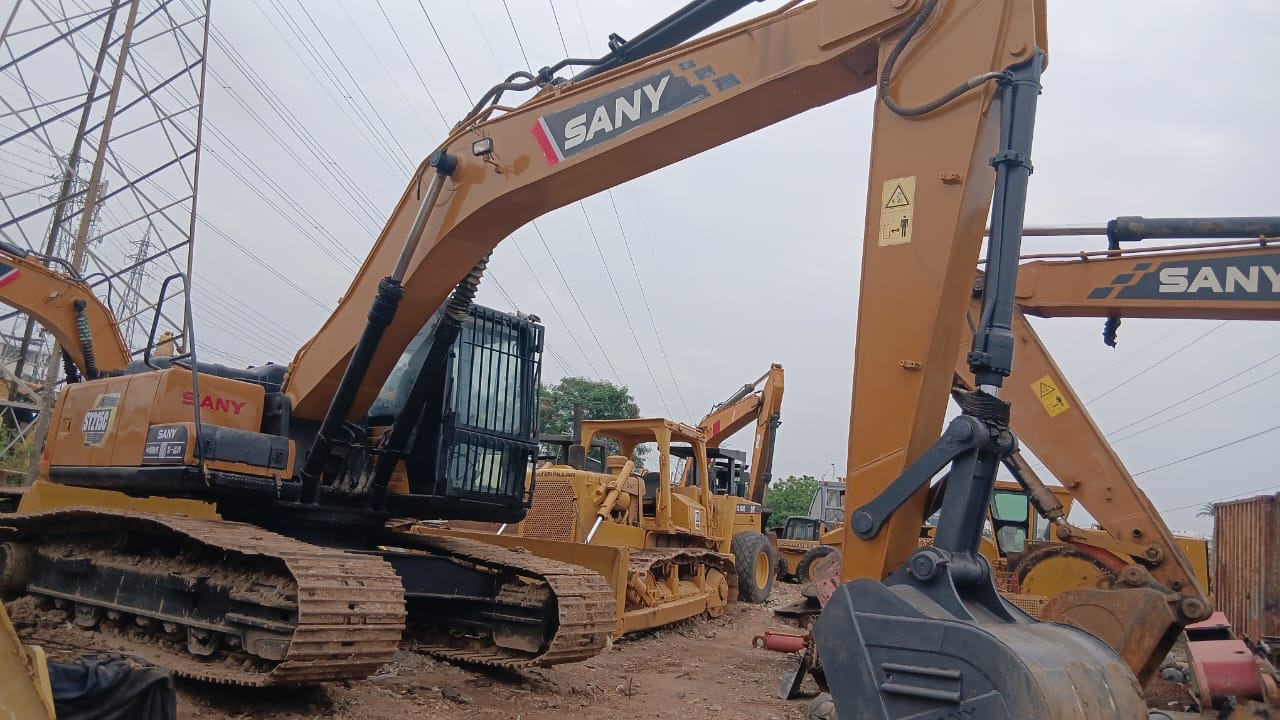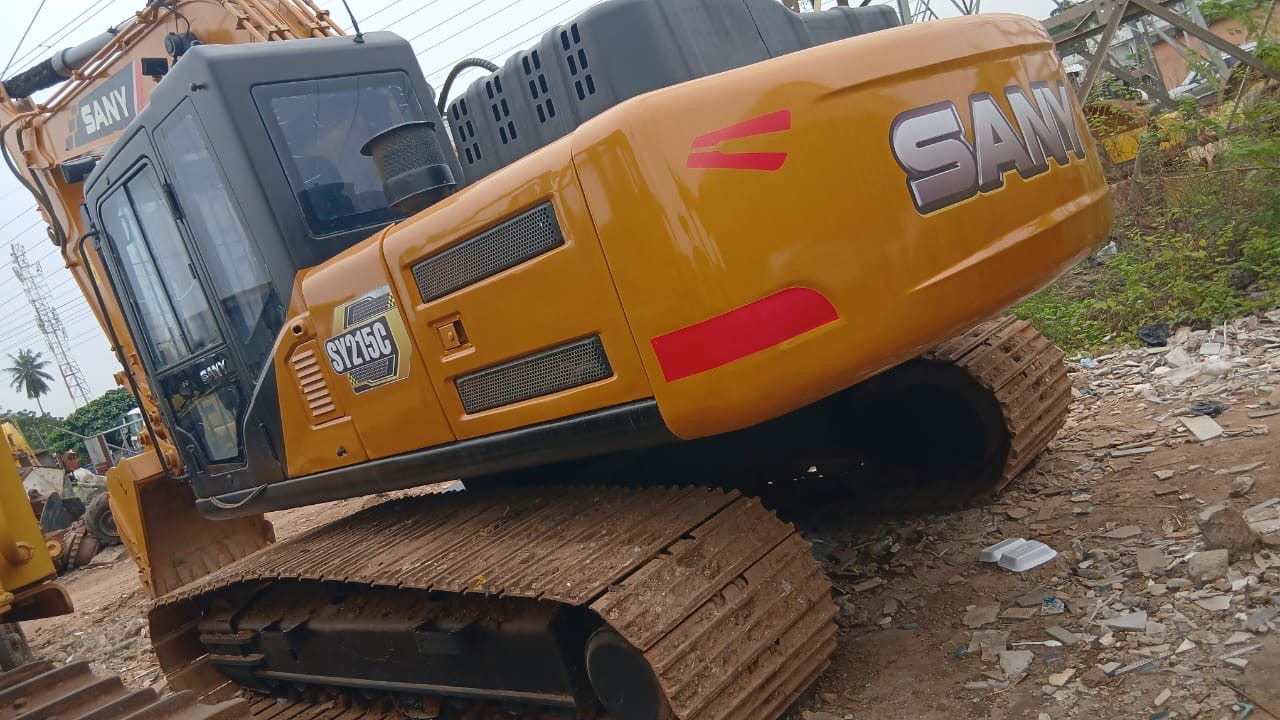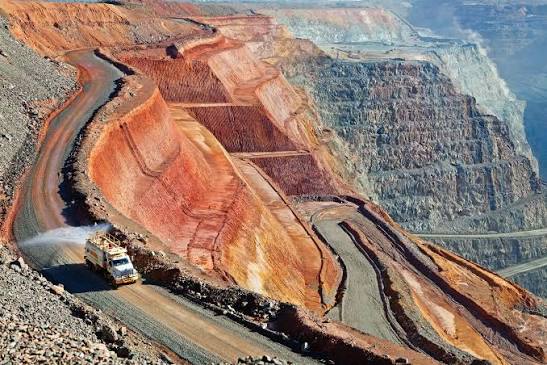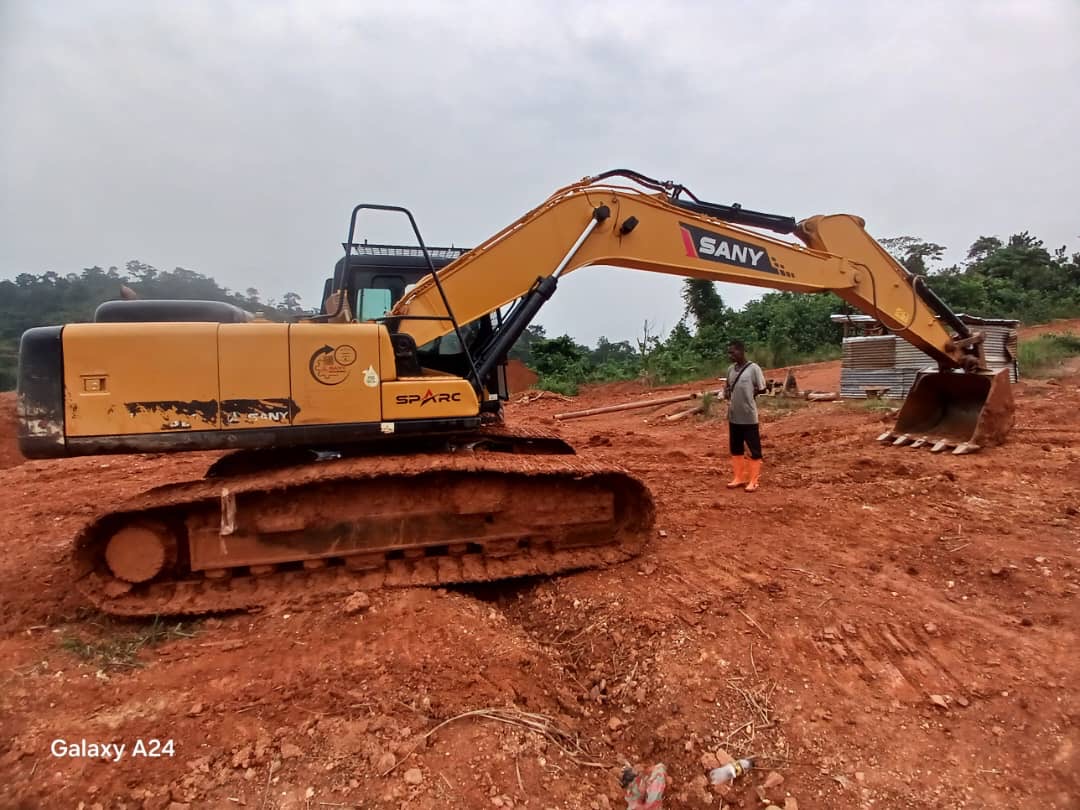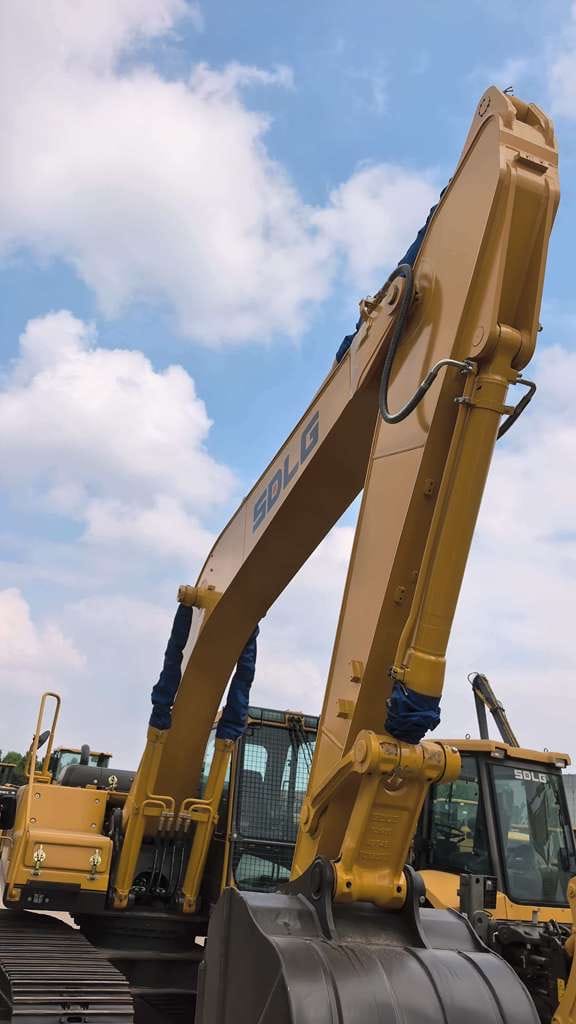
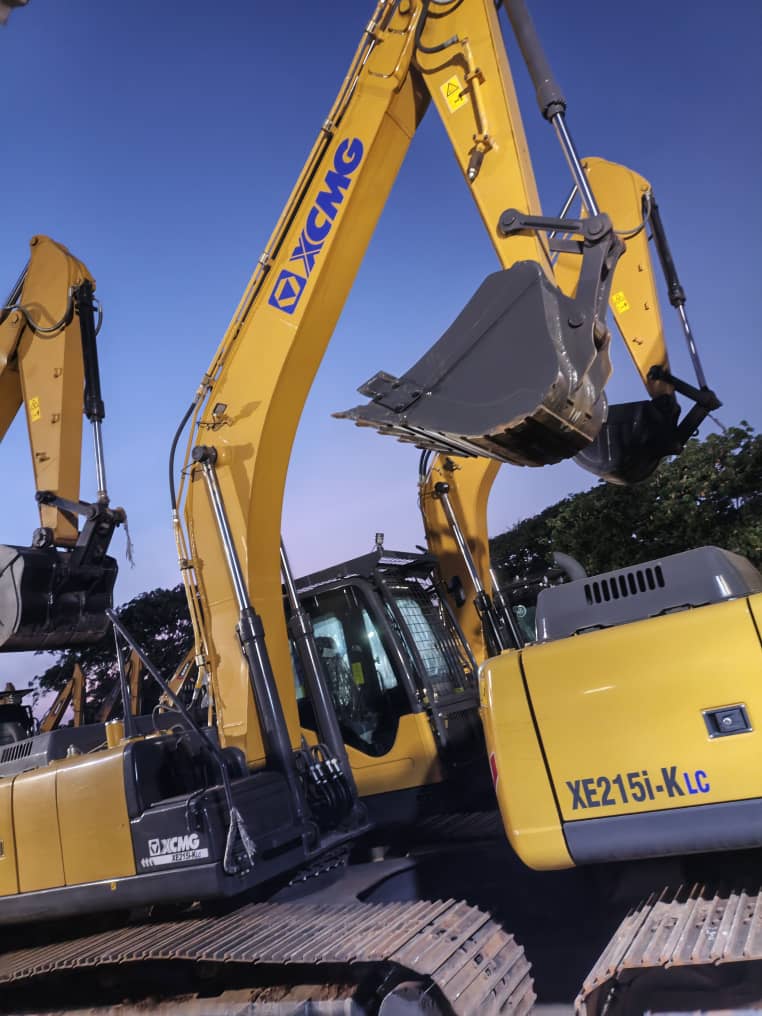
Heavy equipment has become an increasingly attractive investment as global spending on infrastructure, mining, construction, renewable energy, and logistics continues to grow. Unlike traditional financial assets, heavy equipment can generate steady income through rentals while also appreciating in value during periods of strong demand. However, maximizing returns requires careful planning, market knowledge, and effective asset management. Why Invest in Heavy Equipment? Heavy equipment is essential across multiple industries, including construction, mining, agriculture, oil and gas, and material handling. Governments worldwide are investing heavily in infrastructure, while mining companies are expanding operations to meet demand for critical minerals such as copper, lithium, and gold. Investors can benefit through: Rental income from contractors and industrial companies Capital appreciation during equipment shortages Tax advantages in many jurisdictions through depreciation Portfolio diversification beyond traditional stocks and real estate Growing demand from infrastructure and mining projects Understand Your Target Market The first step is identifying the industries that will drive equipment demand in your region. Examples include: Highway and bridge construction Residential and commercial development Mining operations Quarrying and aggregates Agriculture Energy projects Ports and logistics Different sectors require different equipment, making market research essential before purchasing assets. Choose Equipment with High Rental Demand Some machines consistently achieve higher utilization rates than others. Popular investment categories include: Equipment Typical Users Demand Level Excavator Construction, mining Very High Wheel loader Quarries, construction High Bulldozer Earthmoving High Motor grader Road construction Moderate-High Backhoe loader Municipal works High Mobile crane Industrial projects High Articulated dump truck Mining, quarrying High Rental demand varies by region, so understanding local project pipelines is critical. New vs. Used Equipment New Equipment Advantages: Manufacturer warranty Latest fuel-efficient technology Lower maintenance costs initially Better telematics and fleet management Disadvantages: Higher upfront investment Greater depreciation during the first few years Used Equipment Advantages: Lower purchase price Faster return on investment Lower depreciation risk Strong resale market for popular models Disadvantages: Higher maintenance expenses Limited warranty Potential hidden repair costs Many successful rental companies maintain a balanced fleet of both new and well-maintained used machines. Consider Equipment Utilization Profitability depends more on utilization than ownership. Key performance indicators include: Rental utilization rate Revenue per machine Operating cost per hour Downtime percentage Maintenance cost Fleet age Return on invested capital (ROIC) Higher utilization generally translates into stronger cash flow. Evaluate Total Cost of Ownership (TCO) Purchase price is only one component of investment cost. Additional expenses include: Insurance Preventive maintenance Repairs Fuel Transportation Operator training Licensing and permits Storage Financing costs A machine with a lower purchase price may ultimately cost more if maintenance and downtime are excessive. Financing Options Investors commonly use: Equipment loans Leasing Hire purchase Asset-backed financing Vendor financing from manufacturers Financing can preserve working capital but increases interest costs, so compare terms carefully. Select Reliable Brands Equipment from established manufacturers often retains value better and benefits from stronger dealer support. Leading global manufacturers include: Caterpillar Komatsu Volvo Construction Equipment Hitachi Construction Machinery Liebherr John Deere SANY XCMG Factors such as dealer availability, spare parts, resale value, and local service networks should weigh heavily in purchasing decisions. Maintenance Is a Profit Driver Preventive maintenance can significantly extend equipment life and reduce costly breakdowns. Best practices include: Scheduled servicing Daily inspections Telematics monitoring Genuine replacement parts Operator training Detailed maintenance records Well-maintained equipment commands higher resale values and experiences less downtime. Understand the Risks Heavy equipment investing also involves challenges: Economic downturns reducing construction activity High maintenance and repair costs Equipment theft Rising interest rates Technological obsolescence Fuel price volatility Regulatory changes affecting emissions standards Diversifying across equipment types and industries can help reduce these risks. Think About Resale Value Exit strategy matters as much as acquisition. Equipment generally retains value better when it: Has lower operating hours Includes complete service records Comes from reputable brands Has strong parts availability Is in good cosmetic and mechanical condition Monitoring used-equipment market trends can help investors determine the optimal time to sell or refresh their fleet. Emerging Trends Shaping Returns Several trends are influencing heavy equipment investment: Rental over ownership: More contractors are renting equipment to reduce capital expenditures and improve flexibility. Digital fleet management: Telematics and predictive maintenance are improving fleet utilization and reducing downtime. Sustainability: Demand is growing for electric and hybrid equipment as emissions regulations tighten. Automation: Semi-autonomous and autonomous machines are improving productivity and safety, particularly in mining and large infrastructure projects. Infrastructure spending: Public investment programs in transportation, utilities, and energy continue to support long-term equipment demand in many markets. Final Thoughts Heavy equipment can be a profitable investment when approached strategically. Success depends on choosing the right assets for your market, understanding total ownership costs, maintaining high fleet utilization, and managing maintenance proactively. Investors who align their equipment portfolio with sectors experiencing sustained growth—such as infrastructure, mining, and renewable energy—are generally better positioned to generate consistent rental income and preserve long-term asset value.