
Investing in tipper truck rental in Ghana can be a profitable venture, thanks to the country’s booming construction, mining and infrastructure sectors. However, like any heavy equipment business, it requires careful planning and local know-how. Below is a practical breakdown of the opportunity, costs, revenue potential and key considerations as of 2026.
- Why Ghana? The Demand Drivers Infrastructure & “Year of Roads” Successive governments have prioritised road construction, bridges and urban drainage. Major projects (e.g. Accra-Tema Motorway expansion, Kumasi inner roads, regional highways) keep demand for tipper trucks consistently high.
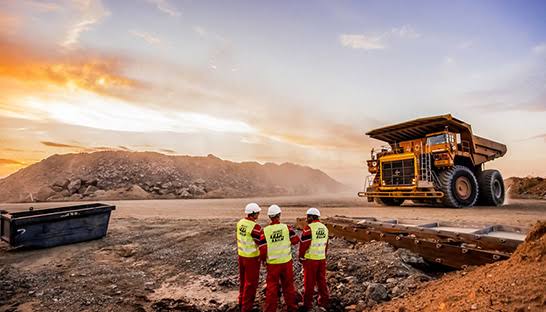
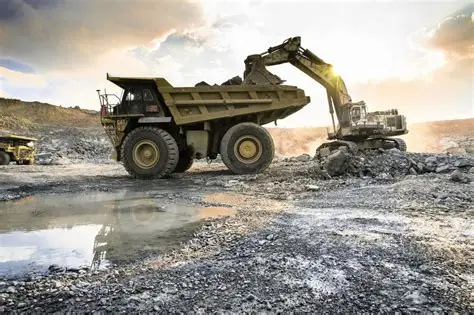
Mining & Quarrying Ghana is Africa’s largest gold producer and has significant bauxite, manganese and quarry stone operations. Mines and quarry sites need tippers for haulage of ore, overburden and aggregates — often on long-term contract.
Real Estate & Construction Rapid urbanisation in Accra, Kumasi, Takoradi and Tamale has driven sand, gravel and laterite transport for housing and commercial developments.
Waste Management & Agriculture Municipal contracts for waste haulage and carting of agricultural produce (e.g., cocoa, maize) also provide niche demand.
- Business Models for Tipper Truck Rental a) Dry Lease / Self-Drive Rental You lease the truck to a contractor who provides their own driver and fuel. You maintain the vehicle and insurance. Lower operational headache but slightly lower daily rates.
b) Wet Lease / With Operator You supply truck, driver and fuel. Clients pay a fixed rate per trip, per tonnage or per day. This is the most common model and yields higher margins if you manage costs well.
c) Long-Term Contract with Mines / Quarries Securing a 12–24 month haulage contract with a mining or quarry company provides steady cash flow. These contracts are often won through tenders or relationships.
d) Platform / Brokerage Model A newer, asset-light approach: build a digital platform connecting truck owners with clients, taking a commission. You could start by owning a few trucks and then onboard other fleet owners.
- Initial Investment: Cost Breakdown Prices vary by brand, condition and import route. Figures are approximate (±20%) as of mid-2026 (Ghana Cedi to USD estimated at ₵13–14).
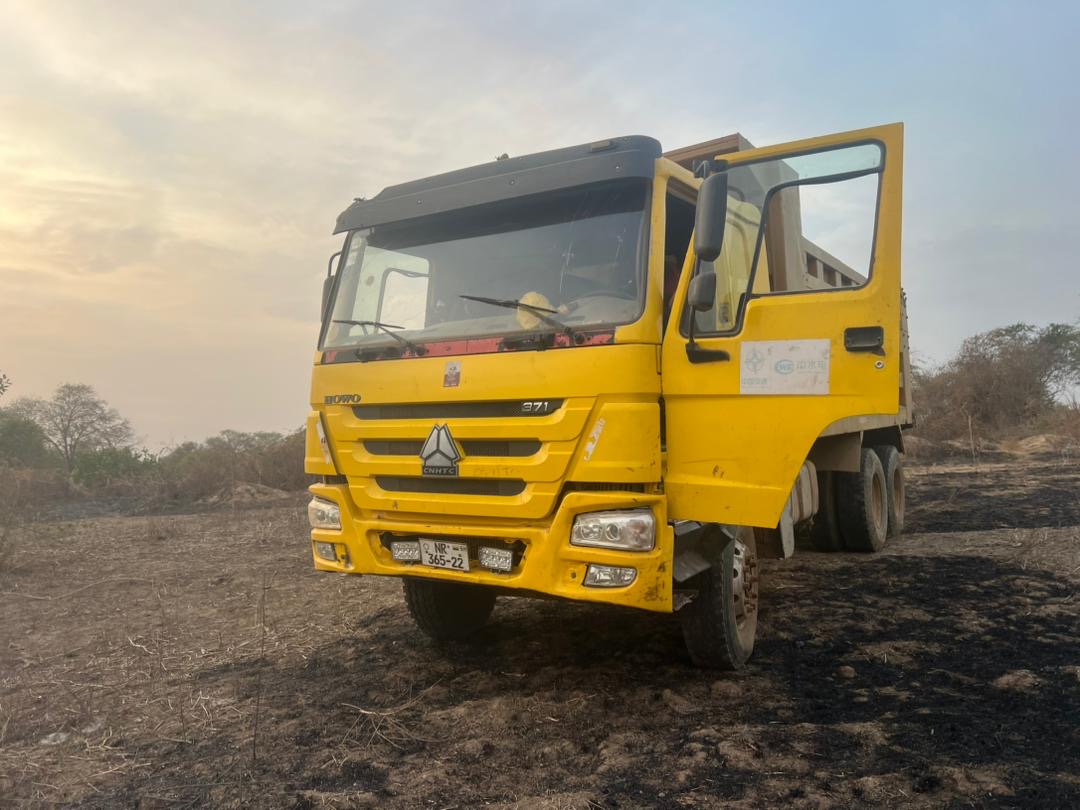
Item Cost (USD) Notes New 6×4 tipper (e.g. Sinotruk Howo, Shacman, FAW) $55,000 – $75,000 Imported from China, duty paid Used (3–5 yrs) tipper $30,000 – $45,000 Usually from China or India; must check condition thoroughly Import duty, taxes & clearing ~20-25% of CIF value Varies; use a reliable clearing agent Registration, insurance & road worthy $1,500 – $2,500 per truck Comprehensive insurance is essential GPS tracking & fleet management $300 – $500 per truck Helps prevent fuel theft & unauthorised use Working capital (fuel, driver, maintenance) $5,000 – $8,000 per truck First 2-3 months until receivables stabilise Total estimated start-up for one new truck, on the road and working: ~ $70,000 – $90,000 For a used truck: ~ $40,000 – $55,000
Many investors start with 2–3 used trucks to test the market.
- Revenue & Profitability Typical rates (wet lease, within Accra/Kumasi)
Daily hire (8–10 hrs, driver and fuel included): ₵4,500 – ₵6,500 (~$320–$460)
Per trip (e.g., 20 km radius, 20 cbm load): ₵1,200 – ₵1,800 (~$85–$130)
Monthly projection (1 truck, 22–24 working days, wet lease)
Gross revenue: ₵100,000 – ₵150,000 (~$7,100 – $10,700)
Recurrent costs:
Fuel: ₵50,000 – ₵65,000
Driver salary & allowances: ₵4,000 – ₵5,500
Maintenance & tyres (provision): ₵8,000 – ₵12,000
Insurance, tracking, office overheads: ₵3,000 – ₵5,000



Net monthly profit: ₵15,000 – ₵50,000 (~$1,070 – $3,570) depending on utilisation and contract rates.
Payback period: 18–30 months for a new truck, 12–24 months for a well-maintained used truck.
Key profitability lever: utilisation rate. A truck working 25+ days/month with minimal breakdowns and fuel pilferage under control can hit the higher end of these margins.
- Risks & Challenges (Real Talk) Delayed Payments – Contractors and government projects often delay payment for 60–90 days. Strong contract terms and a cash reserve are critical.
Fuel Price Volatility – Fuel is the largest cost. Hedging through fuel clauses in contracts (pass-through) helps.
Maintenance & Downtime – Poor roads and overloading increase wear. Maintain a trusted mechanic and genuine spare parts inventory.
Driver Management – Fuel theft, fake breakdowns and side trips are common. GPS tracking, strict logbooks and performance bonuses mitigate this.
Currency Depreciation – The Cedi can slide, making imported spare parts and new trucks more expensive. Dollar-indexed contracts are ideal but rare.
Regulatory & Permit Costs – Road tolls, DVLA fees, permits for quarry zones and overload fines can erode profits if not budgeted.
- How to Get Started (Step-by-Step) Market Research & Relationship Building Visit active construction sites, quarries (e.g., Shai Hills, Weija) and mining areas. Talk to site managers; understand their pain points and rates.
Business Registration & Compliance Register a company with the Registrar General’s Department, get a Tax Identification Number (TIN), and secure the necessary haulage permits from the local assembly and Minerals Commission if working on mining sites.
Acquire Trucks
New: Import directly through a reliable agent or buy from local dealers like Tanink, Japan Motors (Fuso), or Stallion Group (Ashok Leyland).
Used: Inspect thoroughly; consider hiring a mechanic. Auctions and Japanese/Chinese second-hand markets are common sources.
Financing: Some local banks (e.g., Stanbic, Ecobank) offer asset finance for heavy equipment, though interest rates (20–30% p.a.) are high. Leasing from equipment finance companies is another option.
Recruit & Train Drivers Prefer experienced drivers with a valid license (class ‘D’ or ‘E’). Train them on fuel-efficient driving and reporting.
Set Up Fleet Management Install GPS (e.g., Cartrack, Tramigo), fuel level sensors, and dashcams. Implement a daily checklist and a maintenance schedule.
Client Acquisition & Contract Signing Start with smaller, trusted contracts to build a reputation. Ensure your contract states: scope of work, payment terms (ideally within 15–30 days), fuel and maintenance responsibilities, and termination clauses.
- Alternative Investment Approaches If you’re not keen on hands-on fleet management, consider:
Joint Venture with Existing Fleet Owners – Provide capital to expand their fleet in exchange for an equity share or fixed return.
Truck Leasing to Rental Companies – Buy and lease trucks to established rental firms who manage operations.
Equipment Finance Fund – Pool funds from investors to provide lease-to-own trucks to drivers/operators, earning interest and principal over 2–4 years.
- Final Verdict: Is It a Good Opportunity? Yes, tipper truck rental in Ghana offers robust returns if you have:
Patient capital (returns are lumpy, not overnight)
Strong local networks or a partner to manage day-to-day operations
A disciplined maintenance and cost-control system
Start small, prove the model, then scale. The construction and mining pipelines remain strong into the late 2020s, and reliable haulage providers are always in short supply.